كلية اللغات

المزيد ...

حول كلية اللغات

في العام الدراسي 1987/1986م تأسست كلية اللغات تحت اسم مركز اللغات، في سنة 1988م صدر قرار اللجنة الشعبية العامة (سابقا) رقم 245 لسنة 1988م بتسمية المركز بإسم كلية اللغات، في العام 2002م أدمجت كلية اللغات وكلية العلوم الاجتماعية والتطبيقية وكلية التربية تحت مسمى "كلية الآداب".


في بداية فصل الخريف من العام الجامعي 2009/2008م أعيد نشاط كلية اللغات الأكاديمي في جميع مراحله عملاً بقرار اللجنة الشعبية العامة (سابقاً) رقم 535 لعام 2007م بشأن إعادة تنظيم الجامعات والمعاهد العليا، ومن ثم تم فصل أقسام اللغات جميعها "طلاباً وأساتذة" والتي كانت مندمجة في كلية الآداب.


كلية اللغات في عصرها الثاني تضم ستة أقسام هي:


اللغة العربية.

اللغة الإنجليزية.

اللغة الفرنسية.

اللغات الأفريقية.

اللغة الإسبانية.

اللغة الايطالية.

قسم الترجمة

حقائق حول كلية اللغات

نفتخر بما نقدمه للمجتمع والعالم

82

المنشورات العلمية

161

هيئة التدريس

5048

الطلبة

48

الخريجون

المزيد من الأخبار

البرامج الدراسية

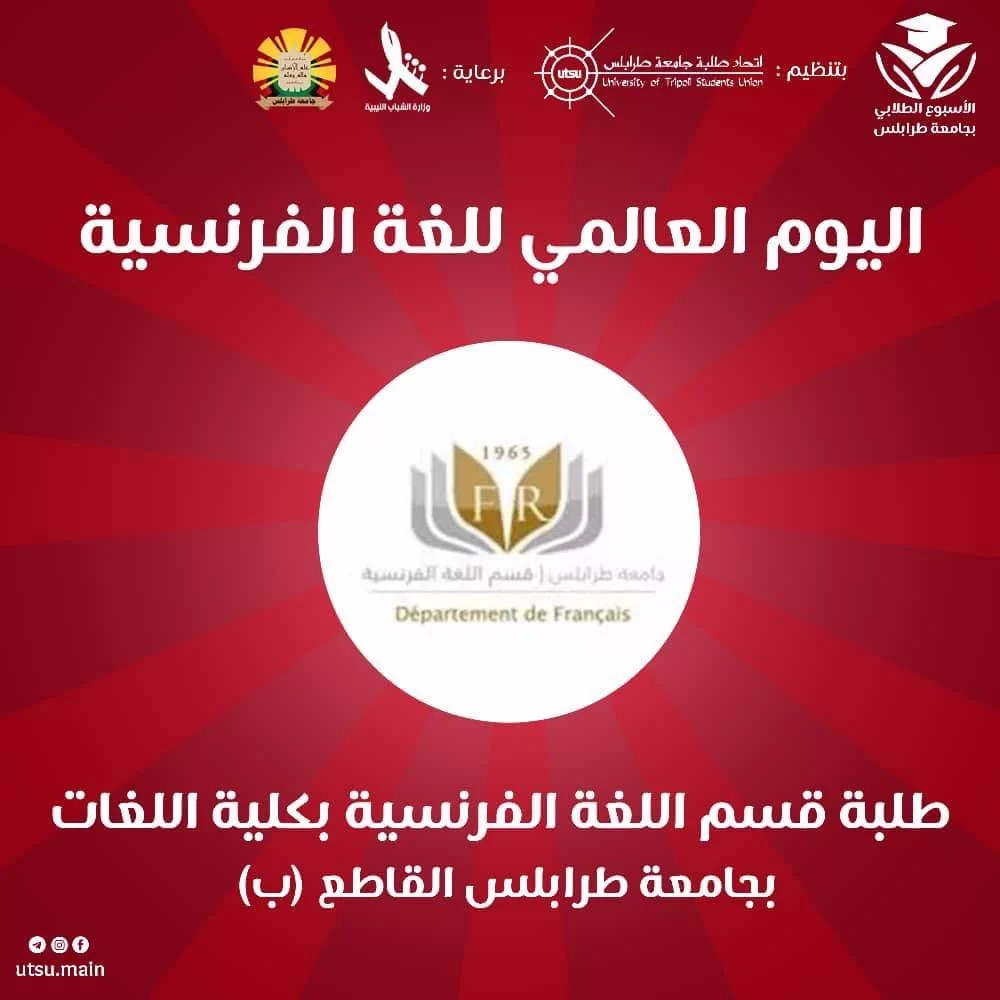
ليسانس لغة فرنسية
تخصص اللغة الفرنسية

يهدف البرنامج الي تأهيل مختصين في اللغة الفرنسية وذلك عن طريق مسيرة دراسية تمتد علي...

التفاصيل

ماجستير لغة فرنسية
تخصص اللغة الفرنسية

...

التفاصيل
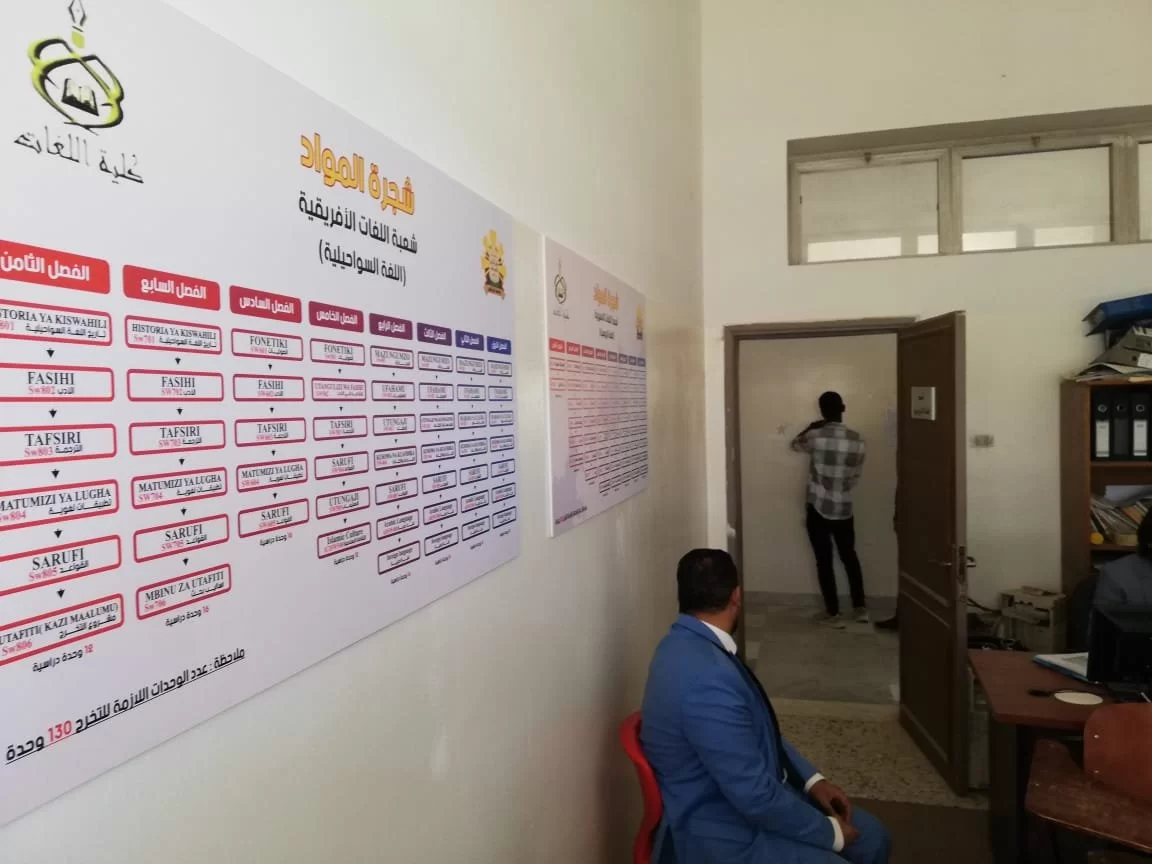
ليسانس لغة سواحيلية
تخصص اللغة السواحيلية

ليسانس لغة سواحيلية...

التفاصيل

من يعمل بـكلية اللغات

يوجد بـكلية اللغات أكثر من 161 عضو هيئة تدريس

staff photo

أ. سامية خليفة أحمد عبدالله

سامية المحمودي هي احد اعضاء هيئة التدريس بقسم الترجمة والتعريب بكلية اللغات. تعمل السيدة سامية المحمودي بجامعة طرابلس كـمحاضر مساعد منذ 2012-04-21 ولها العديد من المنشورات العلمية في مجال تخصصها

منشورات مختارة

بعض المنشورات التي تم نشرها في كلية اللغات

L'enseignement de la prononciation du français aux arabophones : réflexions et suggestions

Amener es apprenants à prononcer les sons d'une langue étrangère d'une manière acceptable est ne tâche qui n'est pas facile pour un enseignant qui de formation au niveau de la phonétique correction. Nous mettons ce petit manuel entre les mains de nos chers collègues afin de les aider dans leur travail quotidien. arabic 18 English 75
Nasser Abdulhamid Younes(1-1992)
Publisher's website

Les aspects linguistiques des langues afro-asiatiques

Nous essayons dans cet article de parcourir les caractéristiques linguistiques des langues afro-asiatiques en présenter un aperçu et apporter des explications qui jouent ou ont joué un rôle important dans le développement de ce secteur de recherche. Mais avant d'entamer la description linguistique des langues afro-asiatiques avec toutes ses variétés anciennes et modernes au cours des époques, il nous paraît essentiel d'aborder quelques éléments fondamentaux qui aident à comprendre l'espace historique de l'évolution de ces langues. Il nous faut nous tourner vers la classification des langues afro-asiatiques ou (chamito-sémitiques). Ici, l'objectif est de situer certains aspects linguistiques communs de ces langues. Nous nous proposons également d'établir une comparaison générale des différents groupes de ces langues afin de rassembler les points communs. Pour ce faire, nous rappelons brièvement l'histoire des langues afroasiatiques, leur structure et la particularité de chaque groupe appartenant à cette famille.
Fathi Salem Terfas, Mokhtar Chafte(11-2015)
Publisher's website

Hidden Hands: An Institutional Force in Political News Translation

This article explores translation in news institutions. While being heavily relied on by media organizations, translation is rarely acknowledged. Translation is deeply interwoven with news in that it is used to employ ideological tendencies and political agendas. This study investigates the powerful role of media institution as a force that intervenes in producing news reports. It uses a questionnaire and interviews to see the influence of editors in the translation of news texts. For this purpose, the views of 21 news translators, journalists and news were surveyed to infer the role of institutions in translation. The study looks at this role from different angles including translator training, instructions given to translators, textual alterations, and policies of news institutions. The findings indicate that intervention by the editors and producers on translation is taking place. The interview participants tend to agree with the intervention of the institution. The questionnaire respondents agree with the statement that translators are given instructions to use specific terminology but disagree with a statement that they have to comply with the policies of the institution.
Hamza Ethelb(5-2020)
Publisher's website

المجلات العلمية

بعض المجلات العلمية التي تصدر عن كلية اللغات

وثائق تهمك