قسم هندسة البرمجيات

المزيد ...

حول قسم هندسة البرمجيات

مع تطور التكنولوجيا وزيادة حجم البرمجيات يتطلب انجاز المشاريع البرمجية الكبيرة عمل المبرمجين في فرق كبيرة تعمل معا لانجاز مشروع برمجي محدد , يتطلب العمل الجماعي في مجال البرمجيات قدرات هندسية خاصة تختص بتطوير البرمجيات. 

لمواكبة هذا التطور تـم تأسيس قسم هندسة البرمجبات مع بداية تأسيس الكلية في سنة 2008 وذلك نظرا للاهمية الملحة لوجود مثل هذا القسم والذي  يهدف القسم الى إعداد الكوادر القادرة على إداء انجاز المشاريع البرمجية بالطرق الهندسية المعمول بها في هذا المجال مثل التحليل وتحديد المتطلبات والتصميم وإدارة المشاريع وتأكيد الجودة وغيرها.

ساهم هذا القسم بالفعل في تخريج اكثر من 200 مهندس مع نهاية فصل الربيع للعام الدراسي 2019.  ويفتخر القسم بكافة الخريجين لما أبدوه من آداء ممتميز في الجهات العامة  والشركات الخاصة. حاليا تصل نسبة التوظيف لخريجي القسم اكثر من 90% ومعظم الطلبة يتحصلون على وظائف او يؤسسون شركات خاصة قبل تخرجهم.

حقائق حول قسم هندسة البرمجيات

نفتخر بما نقدمه للمجتمع والعالم

29

المنشورات العلمية

12

هيئة التدريس

99

الطلبة

101

الخريجون

البرامج الدراسية

بكالوريوس في تقنية المعلومات
تخصص هندسة البرمجيات

يهدف البرنامج الى إعداد الكوادر القادرة على إداء انجاز المشاريع البرمجية بالطرق الهندسية المعمول بها في هذا المجال مثل التحليل وتحديد المتطلبات والتصميم وإدارة المشاريع وتأكيد الجودة وغيرها. ويحتوي على المقررات الدراسية العامة التي تضع الاساس لطالب تقنية المعلومات يدرسها...

التفاصيل

من يعمل بـقسم هندسة البرمجيات

يوجد بـقسم هندسة البرمجيات أكثر من 12 عضو هيئة تدريس
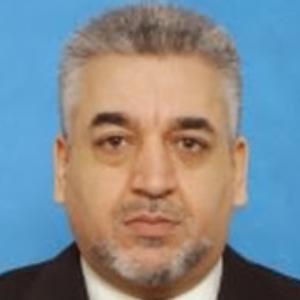
staff photo

أ.د. حنان الطاهر محمود الداقيز

ا.د.حنان الداقيز هي رئيس قسم نظم المعلومات و احد اعضاء هيئة التدريس بقسم هندسة البرمجيات بكلية تقنية المعلومات. تعمل السيدة حنان الداقيز بجامعة طرابلس كـأستاذ منذ 2020-06-22 ولها العديد من المنشورات العلمية في مجال تخصصها.

منشورات مختارة

بعض المنشورات التي تم نشرها في قسم هندسة البرمجيات

Extracting Geographic 3D Integral Images Data from Raster Maps

Holoscopic 3D imaging (H3D) technology also known as integral imaging is a true 3D imaging technology. It offers the simplest form that is capable of recording and replaying the true light field 3D scene in the form of a planar intensity distribution, by employing Microlens array. Despite it uses the same characteristics of holographic, it records the 3D information in 2D form and display in full 3D with optical component, without the need of coherent light source and confine dark fine. In addition, it facilitates postproduction processing such as refocusing. This makes it more practical approach for real-time 3D image capture and display. In this paper, a new method of extract 3D integral images data from raster maps. The R2V is an advanced raster to vector conversion software system is mainly used in order to generate geographical 3D integral images. Experimental results are extremely satisfactory and for the first time it is proved that, Geographic 3D Integral Images is generated. It means that, a new certain approach enables GIS applications of using 3D integral images is now established.
Dr. Mahmoud Geat Eljadid(12-2021)
Publisher's website

biometrics:standing throughout emerging technologies

Biometrics technologies have been around for quite some time and many have been deployed for different applications all around the world, ranging from small companies' time and attendance systems to access control systems for nuclear facilities. Biometrics offer a reliable solution for the establishment of the distinctiveness of identity based on "who an individual is", rather than what he or she knows or carries. Biometric Systems automatically verify a person's identity based on his/her anatomical and behavioral characteristics. Biometric traits represent a strong and undeviating link between a person and his/her identity, these traits cannot be easily lost or forgotten or faked, since biometric systems require the user to be present at the time of authentication. Some biometric systems are more reliable than others, yet they are neither secure nor accurate, all biometrics have their strengths and weaknesses. Although some of these systems have shown reliability and solidarity, work still has to be done to improve the quality of service they provide. Presented is the available standing biometric systems showing their strengths and weaknesses and also emerging technologies which may have great benefits for security applications in the near future.
Abdulmonam Omar Ahmed Alaswad(0-2008)
Publisher's website

Most Common and Reliable Traits for Fusion of Biometrics

Biometrics technologies have been around for quite some time and many have been deployed for different applications all around the world, ranging from small companies' time and attendance systems to access control systems for nuclear facilities. Biometrics offer a reliable solution for the establishment of the distinctiveness of identity based on "who an individual is", rather than what he or she knows or carries. Biometric Systems automatically verify a person's identity based on his anatomical and behavioral characteristics. Biometric traits represent a strong and undeviating link between a person and his identity, these traits cannot be easily lost or forgotten or faked. Since biometric systems require the user to be present at the time of authentication. Some biometric systems are more reliable than others, yet biometric systems are neither secure nor accurate, all biometrics have their strengths and weaknesses. Although some of these systems have shown reliability and solidarity, work still has to be done to improve the quality of service they provide. In this paper we present the most common and reliable known biometric systems suitable for Multimodal Biometrics Fusion, providing highly efficient and secure systems, showing their strengths and weaknesses and also presenting technologies in which may have great benefits for security applications in the near future.
Abdulmonam Omar Ahmed Alaswad, Ihab Meftah Elfituri, Fawzia Elhashmi Mohamad(0-2014)
Publisher's website