
كلية تقنية المعلومات

المزيد ...

حول كلية تقنية المعلومات

تعد كلية تقنية المعلومات من أحدث كليات جامعة طرابلس حيث أنشئت بموجب قرار اللجنة الشعبية العامة للتعليم العالي سابقاً رقم 535 لسنة 2007م بشأن استحداث كليات تقنيات المعلومات بالجامعات الأساسية في ليبيا.

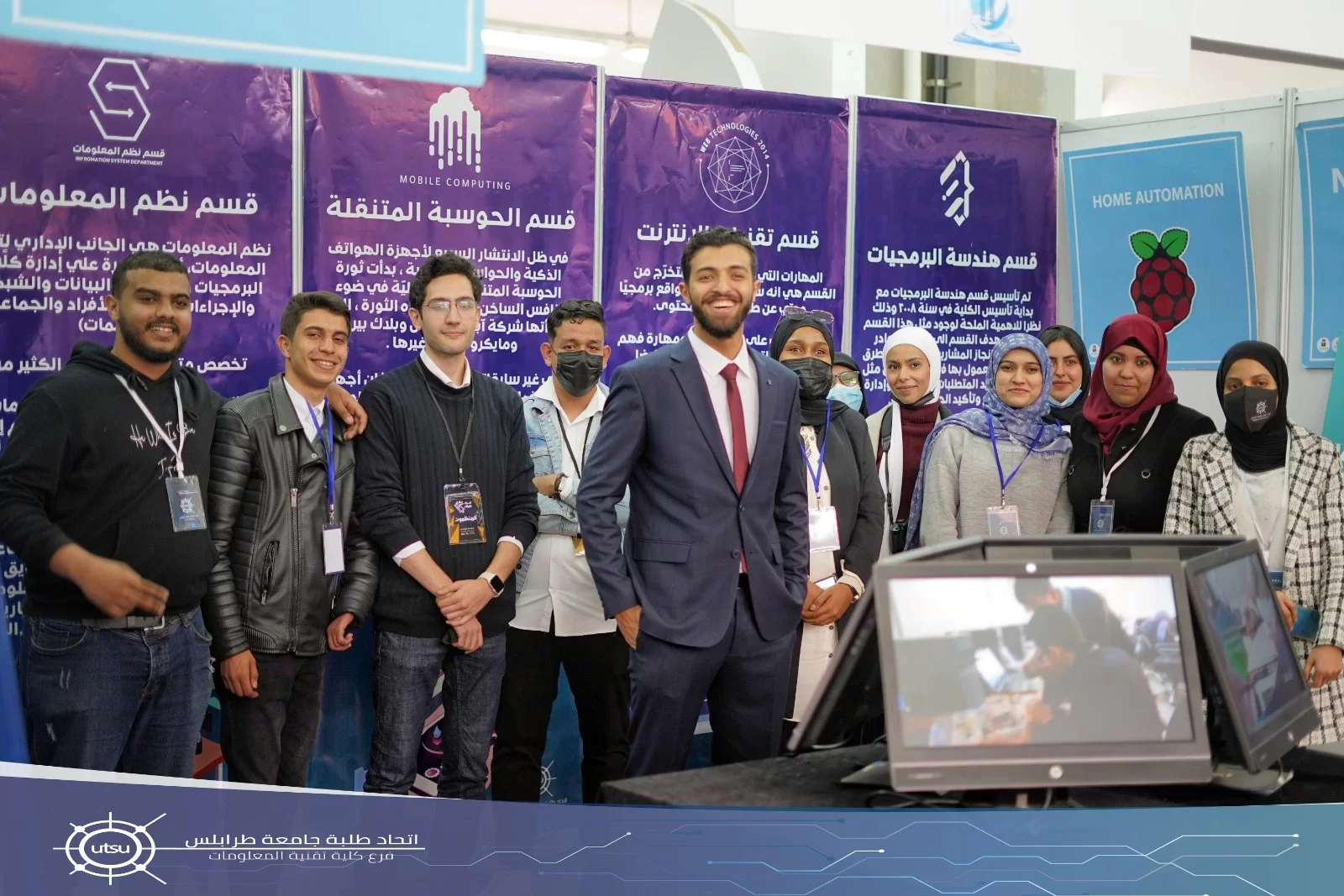
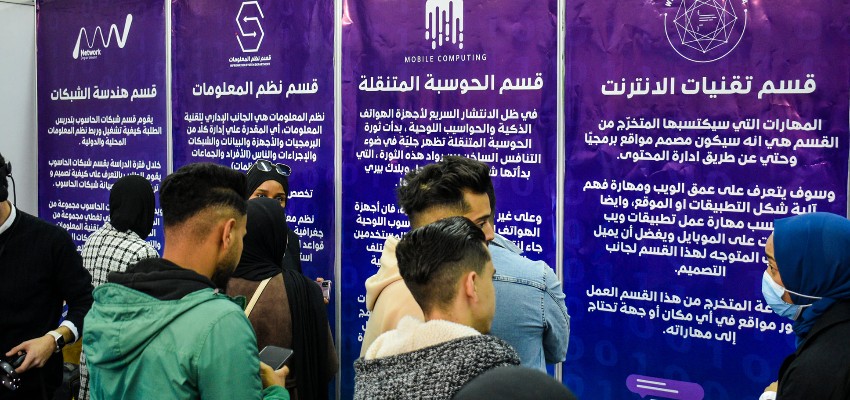
تكونت الكلية عند إنشائها من ثلاثة أقسام هي: قسم شبكات الحاسوب، قسم علوم الحاسوب وقسم هندسة البرمجيات والآن تشتمل على خمسة أقسام هي: قسم الحوسبة المتنقلة، قسم شبكات الحاسوب، قسم تقنيات الانترنت، قسم نظم المعلومات وقسم هندسة البرمجيات.

يتبع نظام الدراسة بالكلية نظام الفصل المفتوح ويضم كل عام دراسي فصلين دراسيين خريف وربيع وقد بدأت الكلية بقبول الطلاب والتدريس فعلياً مع بداية فصل الخريف 2008م. وتمنح الكلية درجة الإجازة المتخصصة (الجامعية) في تقنية المعلومات في أي من التخصصات سالفة الذكر. والحصول على الدرجة يتطلب إنجاز 135 وحدة دراسية على الأقل بنجاح. اللغة العربية هي لغة الدراسة بالكلية ويجوز استخدام اللغة الإنجليزية إلى جانبها. أما مدة الدراسة بالكلية فهي ثـمانية فصول دراسية.

تطمح الكلية إلى افتتاح برامج دراسات عليا بقسمي شبكات الحاسوب وهندسة البرمجيات مع بداية فصل الربيع 2018م.

حقائق حول كلية تقنية المعلومات

نفتخر بما نقدمه للمجتمع والعالم

69

المنشورات العلمية

38

هيئة التدريس

1710

الطلبة

159

الخريجون

البرامج الدراسية

بكالوريوس في تقنية المعلومات
تخصص تقنيات الانترنت

...

التفاصيل
بكالوريوس في تقنية المعلومات
تخصص هندسة البرمجيات

يهدف البرنامج الى إعداد الكوادر القادرة على إداء انجاز المشاريع البرمجية بالطرق الهندسية...

التفاصيل

بكالوريوس نظم المعلومات
تخصص نظم المعلومات

يهتم قسم نظم المعلومات بكيفية استخدام تكنولوجيا المعلومات وممارستها وتطبيقها في...

التفاصيل

من يعمل بـكلية تقنية المعلومات

يوجد بـكلية تقنية المعلومات أكثر من 38 عضو هيئة تدريس

staff photo

أ.د. محمود ميلود علي منصور

محمود منصور هو أحد أعضاء هيئة التدريس بقسم الشبكات بكلية تقنية المعلومات. يعمل السيد محمود بجامعة طرابلس كـأستاذ منذ 2020-02-03 وله العديد من المنشورات العلمية في مجال تخصصه

منشورات مختارة

بعض المنشورات التي تم نشرها في كلية تقنية المعلومات

Enhanced Still 3D Integral Images Rendering Based on Multiprocessor Ray Tracing System

The main purpose of this paper is to introduce 3D integral imaging interpolation method, to overcome the 3D missing information problem occurred between cylindrical lenses (micro-images) due to occluded areas in the previous cylindrical lens, new cylindrical lens shows an area, to generate one single photo-realistic 3D integral imaging frame. The method is based on a Multiprocessor ray-tracer containing 3D integral imaging parser, 3D integral camera model, a 3D integral imaging renderer, spatial coherence and 3D scene transformations. Consequently, an increase in speed in the generation of still 3D integral image is achieved compared to fully ray tracing time of missing pixels. Experiments show that a significant reduction in execution time is achieved by using the 3D integral interpolation process. Savings up to (57%-66%) in the ray tracing time when compared to fully ray tracing the missing pixels depends on the complexity of the scene. 
Dr. Mahmoud Geat Eljadid, Prof. Amar Aggoun, Dr. Osama Hassan Youssef(1-2022)
Publisher's website

Performance Comparison of VoIP over MPLS-Based Networks with RSVP Protocol Using SIP, H.323 Signaling Protocols

This paper describes the usage of OPNET simulation tool to evaluate VoIP over MPLS networks which employs RSVP protocol as QoS mechanism with SIP or H.323 as signaling protocols for setting up VoIP calls over the Internet. The results showed that the H.323 with RSVP over MPLS networks produced minimal end-to-end delay than SIP protocol; making it a good choice as a signaling protocol with VoIP over MPLS networks for places requiring minimal end-to-end delay, while SIP reported lowest delay jitter with minimal call setup time
Azeddien M. Sllame, Asra Hema, Huda Alnajem(3-2018)
Publisher's website

An Extensive Study on Online and Mobile Ad Fraud

The advertising ecosystem faces major threats from ad fraud caused by artificial display requests or clicks, created by malicious codes, bot-nets, and click-firms. Currently, there is a multibillion-dollar online advertisement market which generates the primary revenue for some of the internet's most successful websites. Unfortunately, the complexities of the advertisement ecosystem attract a considerable amount of cybercrime activity, which profits at the expense of advertisers. Web ad fraud has been extensively studied whereas fraud in mobile ads has received very little attention. Most of these studies have been carried out to identify fraudulent online and mobile ads clicks. However, the identification of individual fraudulent displays in mobile ads has yet to be explored. Additionally, other fraudulent activity aspects such as hacking ad-campaign accounts have rarely been addressed. The purpose of this study is to provide a comprehensive review of state-of-the-art ad fraud in web content as well as mobile apps. In this context, we will introduce a deeper understanding of vulnerabilities of online/mobile advertising ecosystems, the ad fraud’s well-known attacks, their effective detection methods and prevention mechanisms. arabic 8 English 40
Hala Shaari, Nuredin Ahmed(12-2020)
Publisher's website