
كلية تقنية المعلومات

المزيد ...

حول كلية تقنية المعلومات

تعد كلية تقنية المعلومات من أحدث كليات جامعة طرابلس حيث أنشئت بموجب قرار اللجنة الشعبية العامة للتعليم العالي سابقاً رقم 535 لسنة 2007م بشأن استحداث كليات تقنيات المعلومات بالجامعات الأساسية في ليبيا.

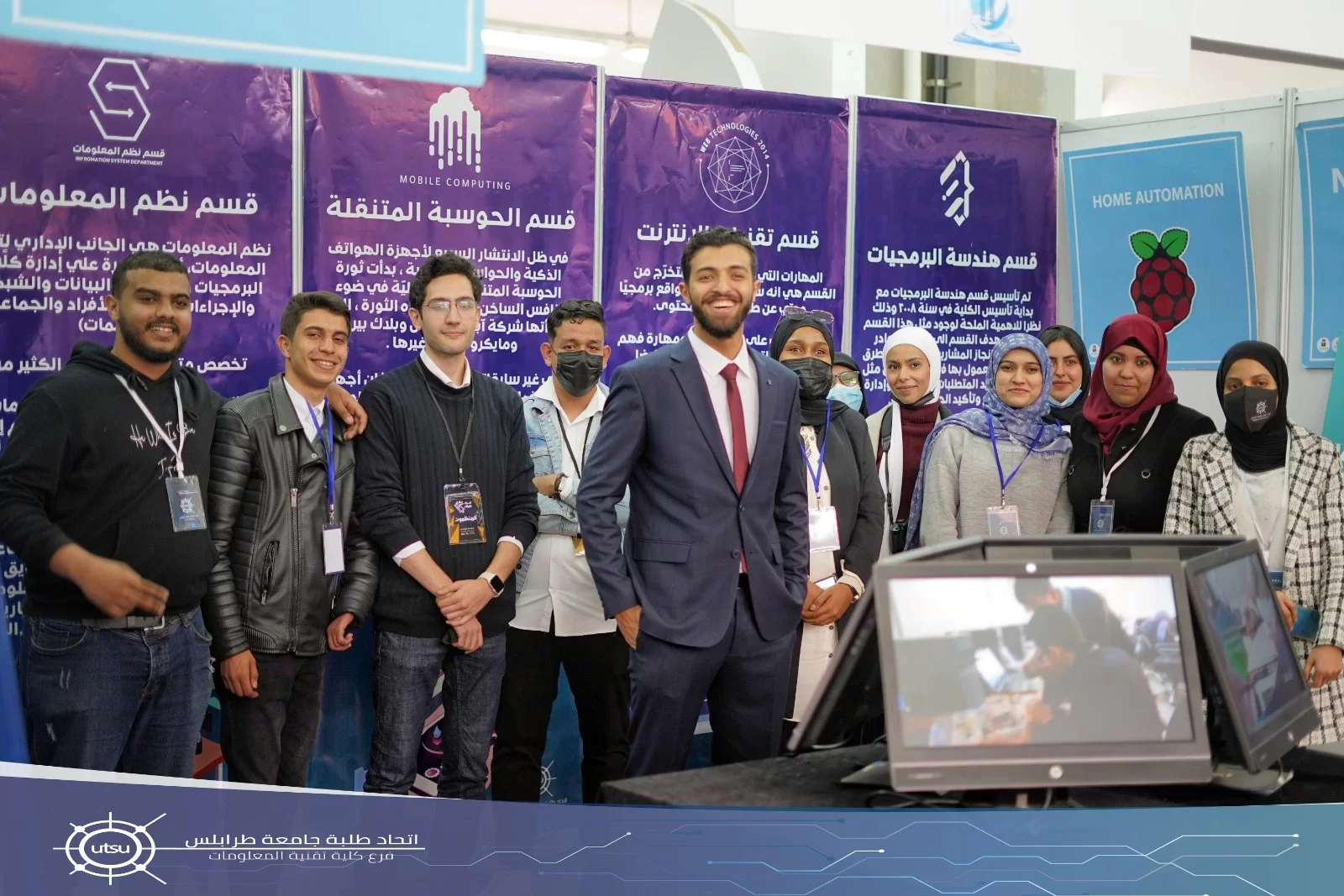
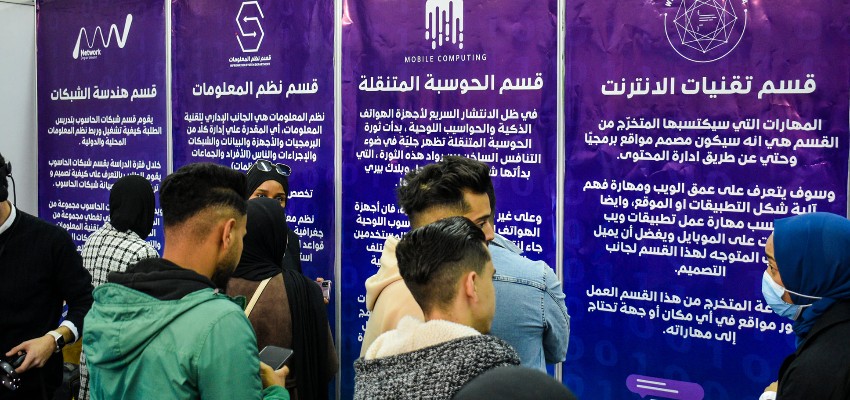
تكونت الكلية عند إنشائها من ثلاثة أقسام هي: قسم شبكات الحاسوب، قسم علوم الحاسوب وقسم هندسة البرمجيات والآن تشتمل على خمسة أقسام هي: قسم الحوسبة المتنقلة، قسم شبكات الحاسوب، قسم تقنيات الانترنت، قسم نظم المعلومات وقسم هندسة البرمجيات.

يتبع نظام الدراسة بالكلية نظام الفصل المفتوح ويضم كل عام دراسي فصلين دراسيين خريف وربيع وقد بدأت الكلية بقبول الطلاب والتدريس فعلياً مع بداية فصل الخريف 2008م. وتمنح الكلية درجة الإجازة المتخصصة (الجامعية) في تقنية المعلومات في أي من التخصصات سالفة الذكر. والحصول على الدرجة يتطلب إنجاز 135 وحدة دراسية على الأقل بنجاح. اللغة العربية هي لغة الدراسة بالكلية ويجوز استخدام اللغة الإنجليزية إلى جانبها. أما مدة الدراسة بالكلية فهي ثـمانية فصول دراسية.

تطمح الكلية إلى افتتاح برامج دراسات عليا بقسمي شبكات الحاسوب وهندسة البرمجيات مع بداية فصل الربيع 2018م.

حقائق حول كلية تقنية المعلومات

نفتخر بما نقدمه للمجتمع والعالم

69

المنشورات العلمية

38

هيئة التدريس

1710

الطلبة

159

الخريجون

البرامج الدراسية

بكالوريوس في تقنية المعلومات
تخصص الشبكات

قسم شبكات الحاسوب متخصص في دراسة شبكات الحاسوب إبتداءا من معرفة أنواع الشبكات و أهميتها...

التفاصيل

بكالوريوس نظم المعلومات
تخصص نظم المعلومات

يهتم قسم نظم المعلومات بكيفية استخدام تكنولوجيا المعلومات وممارستها وتطبيقها في...

التفاصيل
بكالوريوس في تقنية المعلومات
تخصص تقنيات الانترنت

...

التفاصيل

من يعمل بـكلية تقنية المعلومات

يوجد بـكلية تقنية المعلومات أكثر من 38 عضو هيئة تدريس

staff photo

أ.د. محمود ميلود علي منصور

محمود منصور هو أحد أعضاء هيئة التدريس بقسم الشبكات بكلية تقنية المعلومات. يعمل السيد محمود بجامعة طرابلس كـأستاذ منذ 2020-02-03 وله العديد من المنشورات العلمية في مجال تخصصه

منشورات مختارة

بعض المنشورات التي تم نشرها في كلية تقنية المعلومات

Performance Evaluation of First Hop Redundancy Protocol (FHRPv6) with Routing Protocol OSPFv6

Network availability is a key consideration in disaster planning, but it also has critical impacts on everyday life and work. For organizations, network downtime or sluggishness equates to business downtime, at considerable cost to organizations through inefficiency, lost sales, lack of critical data for decisions, and other harmful effects. First hop redundancy protocols (FHRP) are an essential tool for improving the availability of IP networks. In this paper, we evaluate the three particular protocols of FHRPs, namely the Hot Standby Router Protocol (HSRPv6), Virtual Router Redundancy Protocol (VRRPv3), and Gateway Load Balancing (GLBPv6) using GNS3 tools. The First Hop Redundancy Protocols have been implemented, tested, optimized, and compared to one another in terms of CPU Utilization, Traffic flow, packet loss and convergence time. The comparison indicates which protocol is best in which scenario and which is best among the three protocols.
Mahmud Mansour, Mohamed Alamin Alqomati, Mohmed K. Al-said(3-2022)
Publisher's website

biometrics:standing throughout emerging technologies

Biometrics technologies have been around for quite some time and many have been deployed for different applications all around the world, ranging from small companies' time and attendance systems to access control systems for nuclear facilities. Biometrics offer a reliable solution for the establishment of the distinctiveness of identity based on "who an individual is", rather than what he or she knows or carries. Biometric Systems automatically verify a person's identity based on his/her anatomical and behavioral characteristics. Biometric traits represent a strong and undeviating link between a person and his/her identity, these traits cannot be easily lost or forgotten or faked, since biometric systems require the user to be present at the time of authentication. Some biometric systems are more reliable than others, yet they are neither secure nor accurate, all biometrics have their strengths and weaknesses. Although some of these systems have shown reliability and solidarity, work still has to be done to improve the quality of service they provide. Presented is the available standing biometric systems showing their strengths and weaknesses and also emerging technologies which may have great benefits for security applications in the near future.
Abdulmonam Omar Ahmed Alaswad(0-2008)
Publisher's website

Implementation Network Management Solution Using PRTG and Solar Winds Tools

Successful companies know that network management is crucial for the proper support and maintenance of network infrastructure. When it comes to managing a large-scale or highly complex network, you’ll need a powerful network management system that will meet your challenging business needs. There are several programs suggested different types of solutions. PRTG and SolarWinds are an excellent solution, since they have many features that help the network engineer, administrator or technician to easily control, manage and monitor the devices comprehensively. Moreover, PRTG and SolarWinds can integrate with monitoring and management protocols such as SNMP and NetFlow to provide an excellent integrated unified management solution. That being said, PRTG and SolarWinds will facilitate the management of network devices throughout performing configuration, Security, Fault, Performance and Accounting management which will increase productivity, Quality, Revenue and lower the cost. arabic 9 English 66
Mariam Abojela Msaad, Mohamed Fathi Almograbi , Anas Moftah Alshoukri (12-2019)
Publisher's website