كلية تقنية المعلومات

المزيد ...

حول كلية تقنية المعلومات

تعد كلية تقنية المعلومات من أحدث كليات جامعة طرابلس حيث أنشئت بموجب قرار اللجنة الشعبية العامة للتعليم العالي سابقاً رقم 535 لسنة 2007م بشأن استحداث كليات تقنيات المعلومات بالجامعات الأساسية في ليبيا.

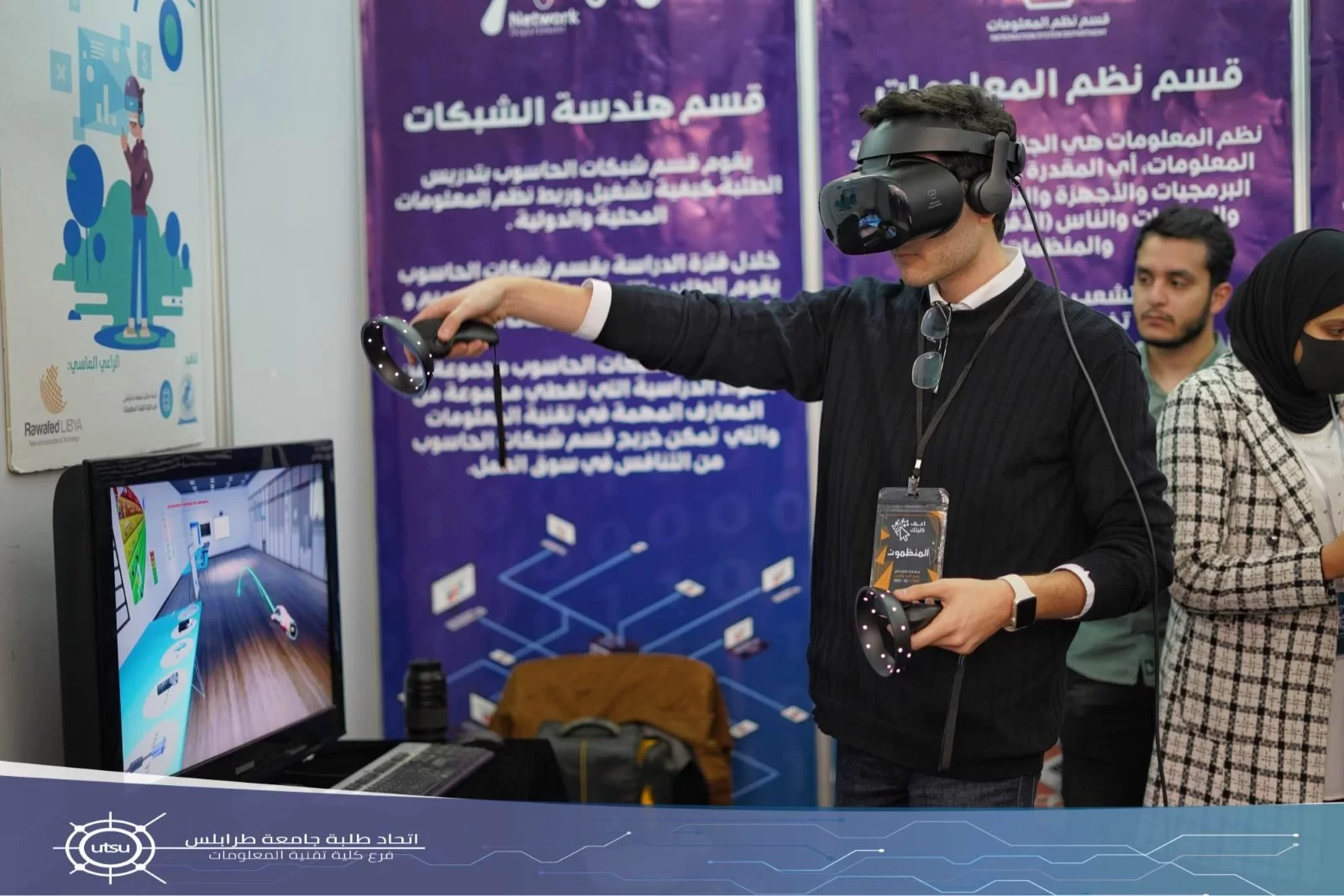
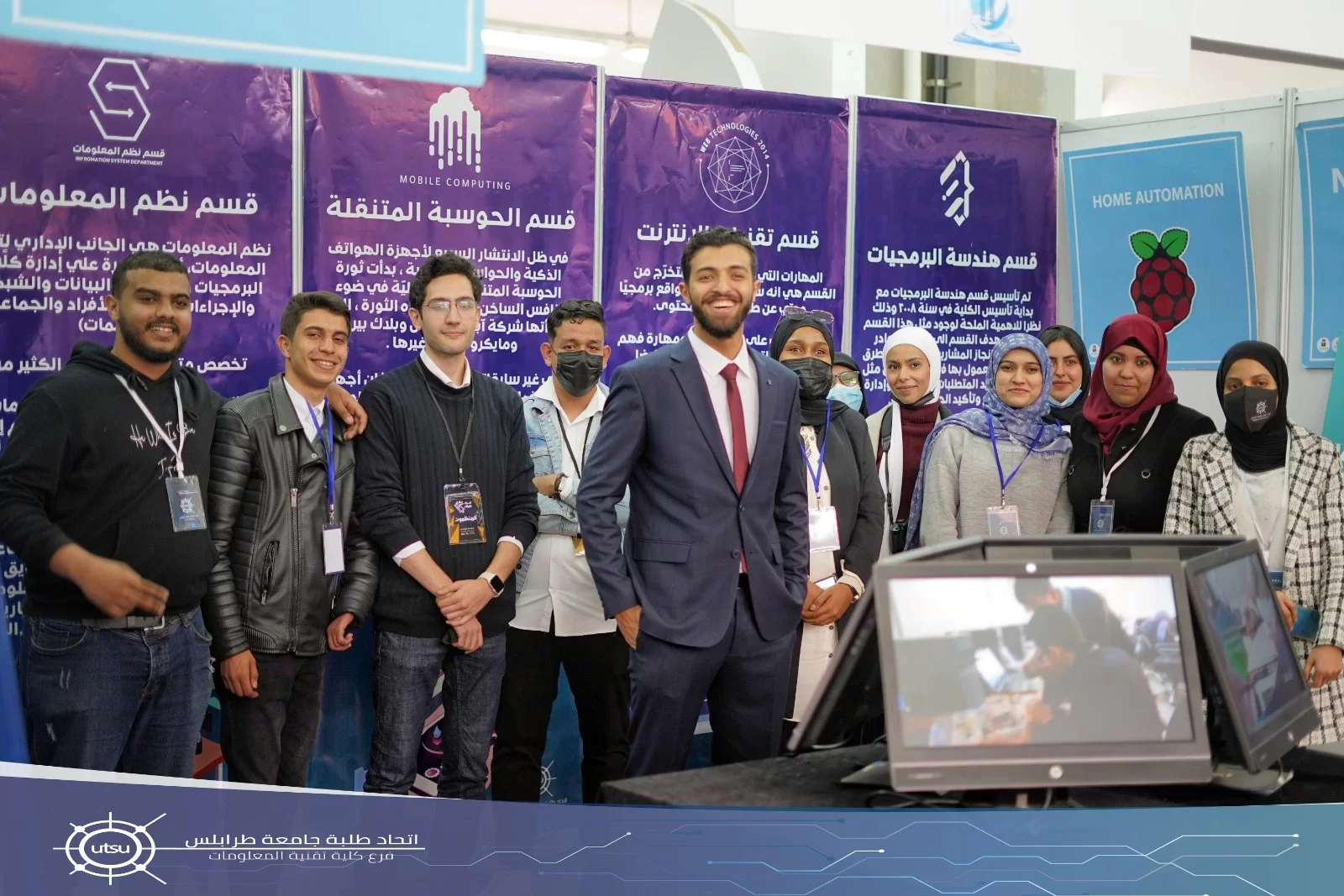
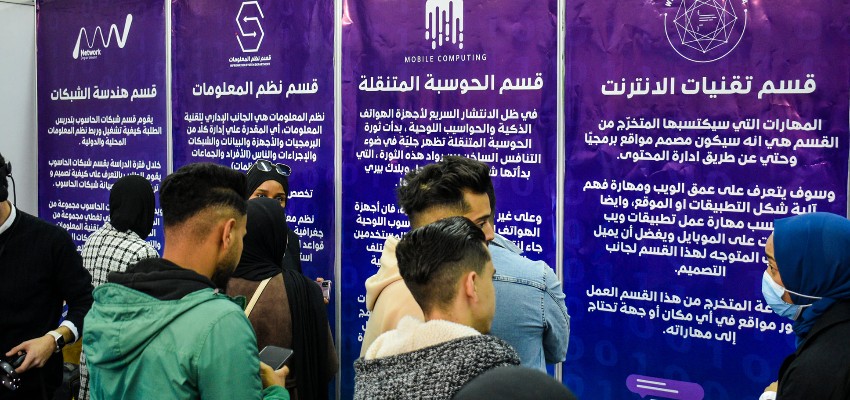
تكونت الكلية عند إنشائها من ثلاثة أقسام هي: قسم شبكات الحاسوب، قسم علوم الحاسوب وقسم هندسة البرمجيات والآن تشتمل على خمسة أقسام هي: قسم الحوسبة المتنقلة، قسم شبكات الحاسوب، قسم تقنيات الانترنت، قسم نظم المعلومات وقسم هندسة البرمجيات.

يتبع نظام الدراسة بالكلية نظام الفصل المفتوح ويضم كل عام دراسي فصلين دراسيين خريف وربيع وقد بدأت الكلية بقبول الطلاب والتدريس فعلياً مع بداية فصل الخريف 2008م. وتمنح الكلية درجة الإجازة المتخصصة (الجامعية) في تقنية المعلومات في أي من التخصصات سالفة الذكر. والحصول على الدرجة يتطلب إنجاز 135 وحدة دراسية على الأقل بنجاح. اللغة العربية هي لغة الدراسة بالكلية ويجوز استخدام اللغة الإنجليزية إلى جانبها. أما مدة الدراسة بالكلية فهي ثـمانية فصول دراسية.

تطمح الكلية إلى افتتاح برامج دراسات عليا بقسمي شبكات الحاسوب وهندسة البرمجيات مع بداية فصل الربيع 2018م.

حقائق حول كلية تقنية المعلومات

نفتخر بما نقدمه للمجتمع والعالم

69

المنشورات العلمية

38

هيئة التدريس

1710

الطلبة

159

الخريجون

البرامج الدراسية

بكالوريوس في تقنية المعلومات
تخصص تقنيات الانترنت

...

التفاصيل
بكالوريوس في تقنية المعلومات
تخصص الحوسبة المتنقلة

...

التفاصيل
بكالوريوس نظم المعلومات
تخصص نظم المعلومات

يهتم قسم نظم المعلومات بكيفية استخدام تكنولوجيا المعلومات وممارستها وتطبيقها في...

التفاصيل

من يعمل بـكلية تقنية المعلومات

يوجد بـكلية تقنية المعلومات أكثر من 38 عضو هيئة تدريس

staff photo

د. عبدالناصر عبدالحميد أحمد ضياف

انطلاقا من إيماني الراسخ بأن دور عضو هيئة التدريس في مجالات العلوم التطبيقية والتكنولوجيا لا يقتصر على تعليم الطلاب المفاهيم والنظريات، بل يتعداه لتزويدهم بجسر متين يضمن وصولهم إلى مرحلة التنفيذ والإنتاج بشكل فعال، لا يمكن تحقيق ذلك إلا من قبل أعضاء هيئة تدريس مهرة لديهم الإمكانات المطلوبة والخبرة العملية التي تضمن تنفيذ مهامهم بشكل كامل. تتضمن خبرتي في التدريس بعد حصولي على درجة الدكتوراه العديد من المقررات الدراسية مثل هياكل البيانات، ومبادئ نظم إدارة قواعد البيانات والنماذج العلائقية، وإدارة البيانات والمعلومات، وخدمات الويب، والبرمجة الشيئية باستخدام جافا وأخرى باستخدام سي++، وتطوير التطبيقات وتصميم واجهة المستخدم، ومعالجة الصور الرقمية. كان هذا على مدى السنوات الثماني الماضية كمحاضر في كل من كلية التقنية الإلكترونية بن عاشور وكلية تقنية المعلومات بجامعة طرابلس. فيما يخص الأبحاث، قمت بنشر عدد من المقالات العلمية في محاضر مؤتمرات ومجلات معتمدة كمؤلف رئيسي، فعلى سبيل المثال لا الحصر: الورقة البحثية حول النمذجة الاحتمالية وعدم اليقين التي عرضتها في المؤتمر العلمي IEEE EIT-2008 في الولايات المتحدة الأمريكية والتي فازت بجائزة المركز الأول التي ما زلت أحتفظ بها حتى الآن، وأخرى حول تصنيف البيانات في الفراغات الغير خطية تم نشرها في المجلة العلمية Pattern Recognition Letters المجلد 34 في عام 2013.

منشورات مختارة

بعض المنشورات التي تم نشرها في كلية تقنية المعلومات

Enhanced Still 3D Integral Images Rendering Based on Multiprocessor Ray Tracing System

The main purpose of this paper is to introduce 3D integral imaging interpolation method, to overcome the 3D missing information problem occurred between cylindrical lenses (micro-images) due to occluded areas in the previous cylindrical lens, new cylindrical lens shows an area, to generate one single photo-realistic 3D integral imaging frame. The method is based on a Multiprocessor ray-tracer containing 3D integral imaging parser, 3D integral camera model, a 3D integral imaging renderer, spatial coherence and 3D scene transformations. Consequently, an increase in speed in the generation of still 3D integral image is achieved compared to fully ray tracing time of missing pixels. Experiments show that a significant reduction in execution time is achieved by using the 3D integral interpolation process. Savings up to (57%-66%) in the ray tracing time when compared to fully ray tracing the missing pixels depends on the complexity of the scene. 
Dr. Mahmoud Geat Eljadid, Prof. Amar Aggoun, Dr. Osama Hassan Youssef(1-2022)
Publisher's website

Applying Multiple Deep Learning Models for Antipersonal Landmines Recognition

Antipersonnel landmines represent a very serious hazard endangering the lives of many people living in armed conflict counties. The huge number of human lives lost due to this phenomenon has been a strong motivation for this research. Deep Learning (DL) is considered a very useful tool in object detection, image classification, face recognition and other computer vision activities. This paper focuses on DL for the problem of landmines recognition in order to identify its type based on shape features. This research work consists of several stages: gathering a new dataset of Anti-Personnel Mines (APMs) images for training and testing purposes, employing several augmentation strategies to boost the diversity of training data, applying four different Convolutional Neural Network (CNN) models namely VGG, ResNet, MiniGoogleNet and MobileNet, and evaluating their performances on APMs recognition. In conclusion, results indicate that MiniGoogleNet exceed all of other three models in recognizing APMs with the highest accuracy rate of 97%.
Hassan Ali Hassan Ebrahem, Abdelhamid Elwaer, Marwa Solla, Fatima Ben Lashihar, Hala Shaari, Rudwan A. Husain(7-2021)
Publisher's website

Multiprotocol Label Switching

Multi Protocol Label Switching (MPLS) is a core networking technology that operates essentially in between Layers 2 and 3 of the OSI model; for this reason, MPLS has been referred to as operating at Layer 2.5. MPLS can overlay existing technologies such as Asynchronous Transfer Mode (ATM) or Frame Relay, or it can operate in an entirely IP native environment; this can allow users to take advantage of existing Customer Premises Equipment (CPE) while making a move towards converging all network traffic, such as data, video and voice, at a pace that users can accommodate and afford. MPLS provides. its users a number of advantageous features such as traffic engineering, network convergence, failure protection, and the ability to guarantee Quality of Service (QoS) over IP. arabic 2 English 27
Mariam Abojela Msaad, Amer R. Zerek , Wesam M. Tohamei(1-2012)
Publisher's website