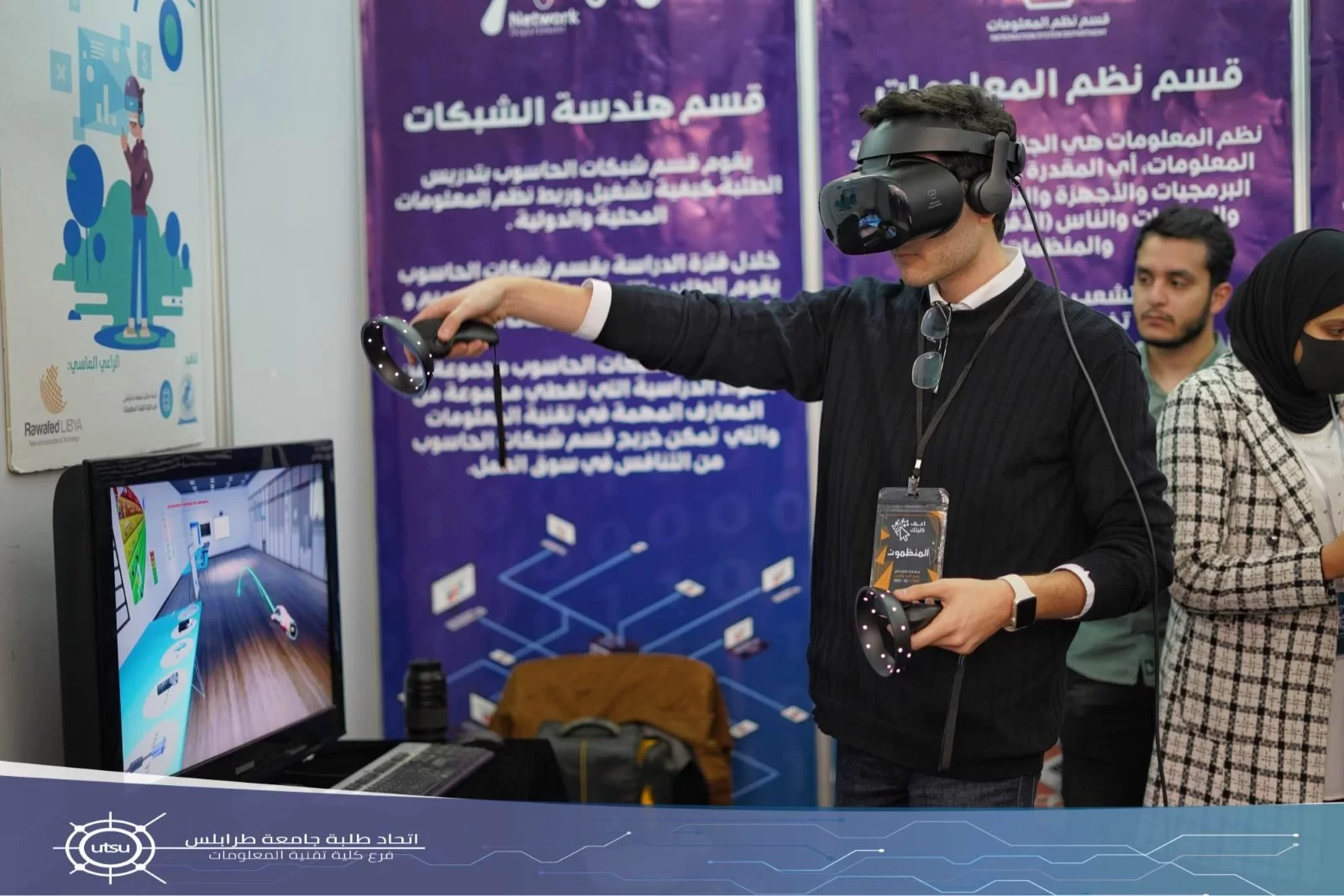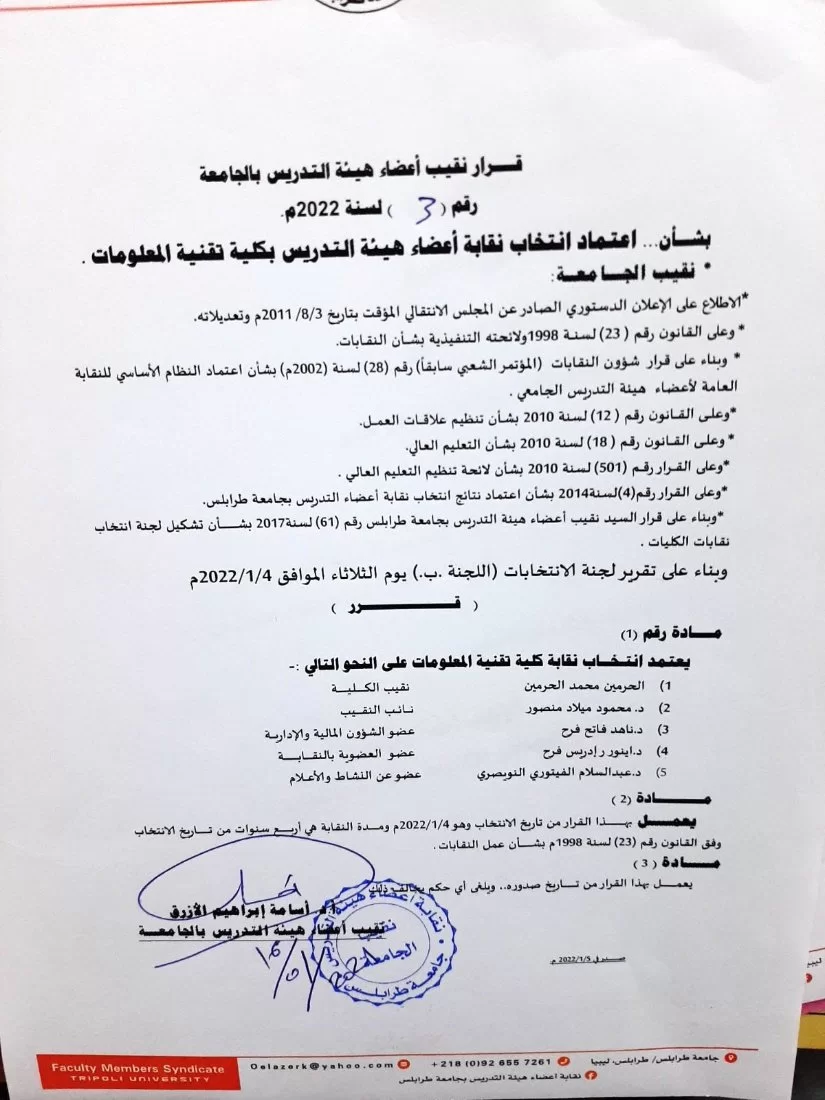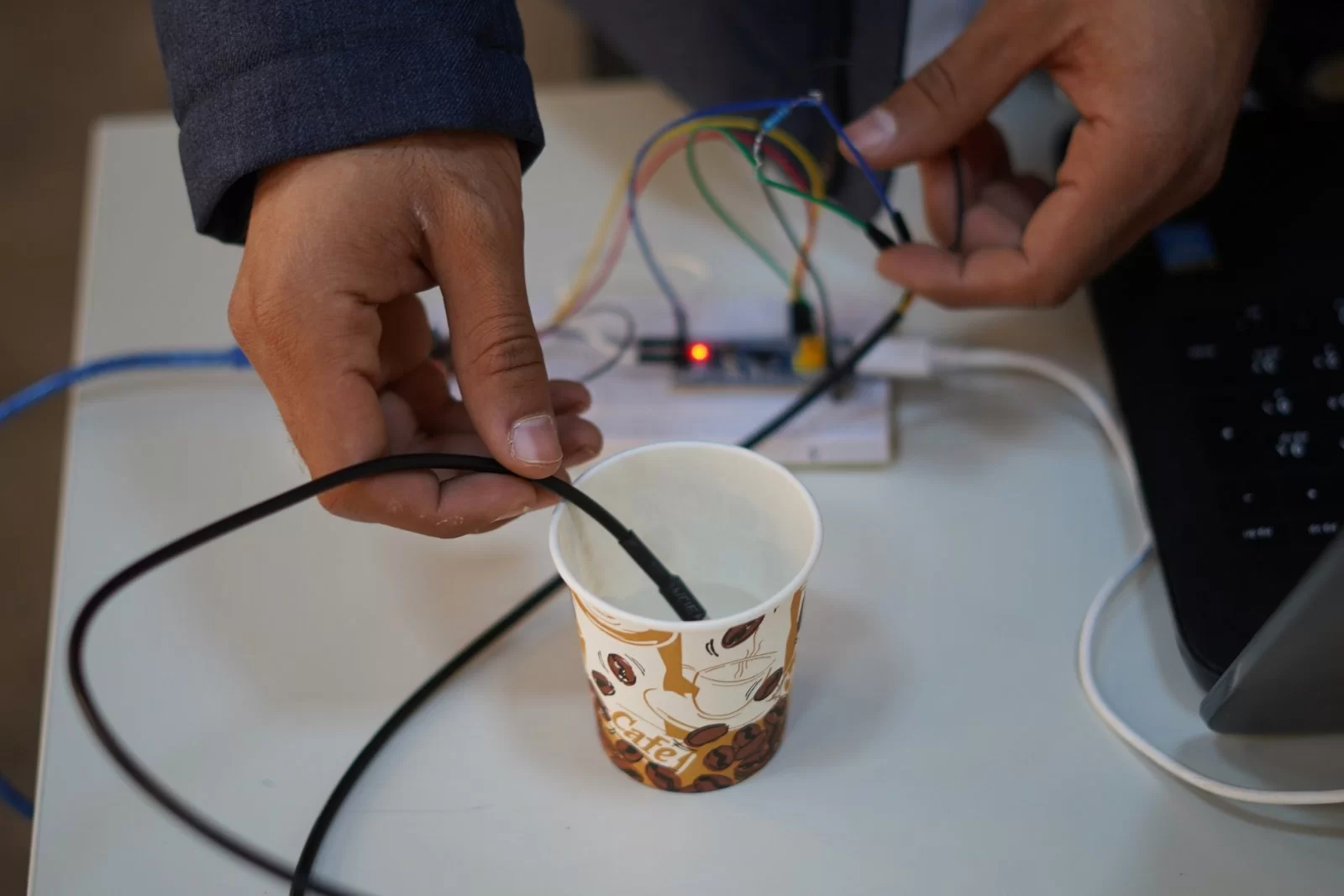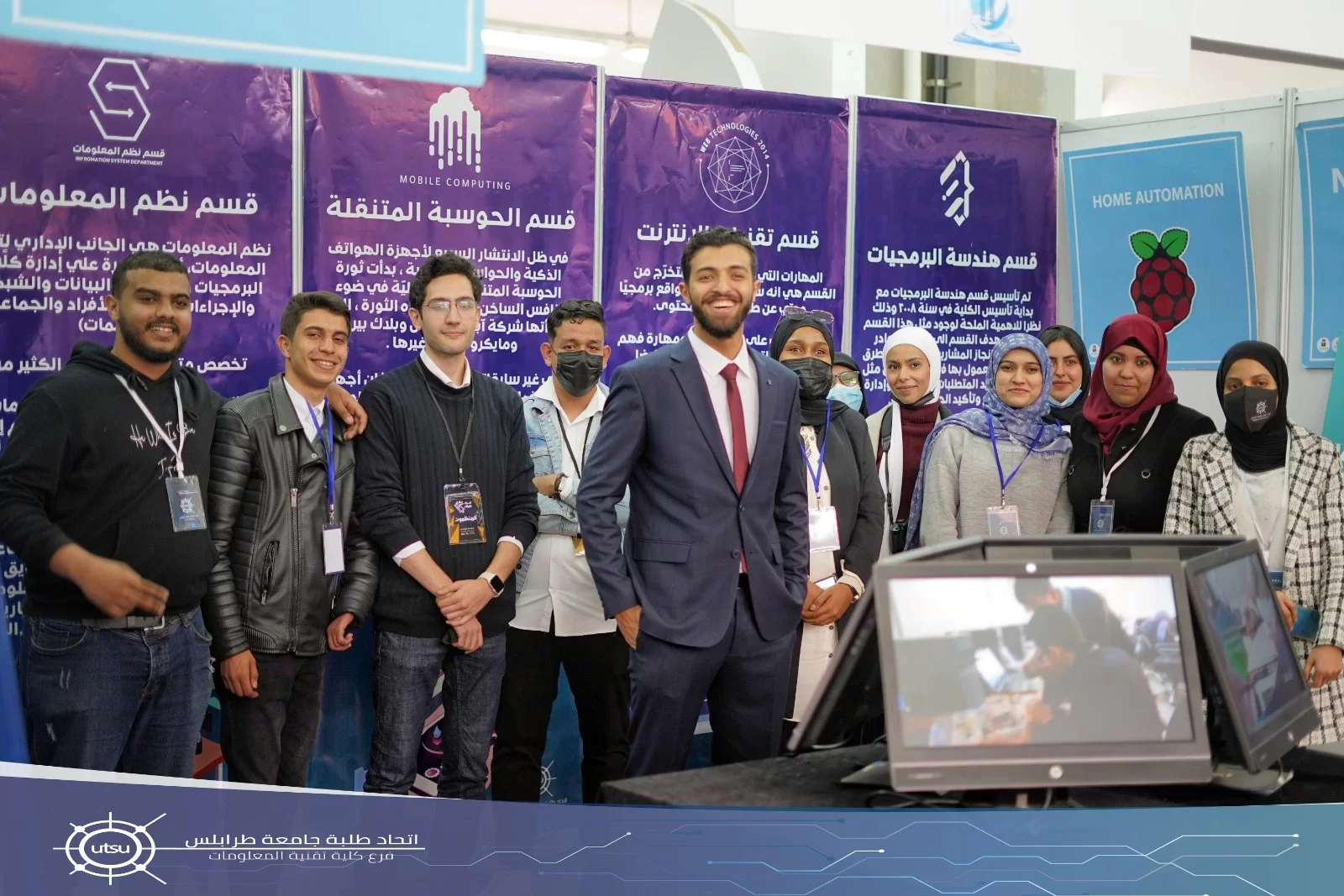
كلية تقنية المعلومات

المزيد ...

حول كلية تقنية المعلومات

تعد كلية تقنية المعلومات من أحدث كليات جامعة طرابلس حيث أنشئت بموجب قرار اللجنة الشعبية العامة للتعليم العالي سابقاً رقم 535 لسنة 2007م بشأن استحداث كليات تقنيات المعلومات بالجامعات الأساسية في ليبيا.

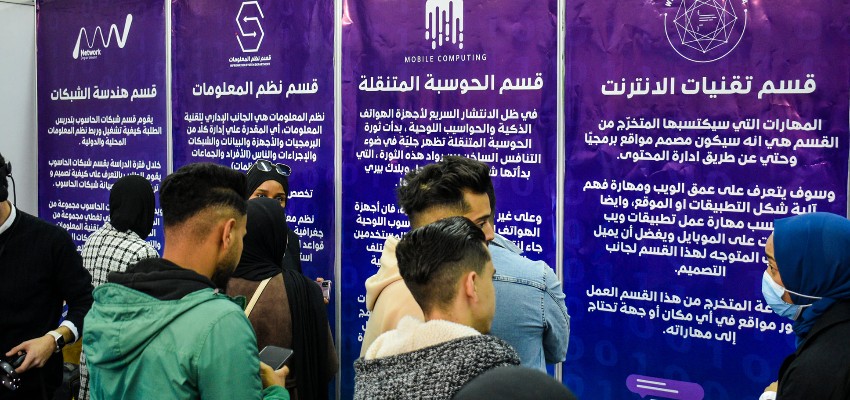
تكونت الكلية عند إنشائها من ثلاثة أقسام هي: قسم شبكات الحاسوب، قسم علوم الحاسوب وقسم هندسة البرمجيات والآن تشتمل على خمسة أقسام هي: قسم الحوسبة المتنقلة، قسم شبكات الحاسوب، قسم تقنيات الانترنت، قسم نظم المعلومات وقسم هندسة البرمجيات.

يتبع نظام الدراسة بالكلية نظام الفصل المفتوح ويضم كل عام دراسي فصلين دراسيين خريف وربيع وقد بدأت الكلية بقبول الطلاب والتدريس فعلياً مع بداية فصل الخريف 2008م. وتمنح الكلية درجة الإجازة المتخصصة (الجامعية) في تقنية المعلومات في أي من التخصصات سالفة الذكر. والحصول على الدرجة يتطلب إنجاز 135 وحدة دراسية على الأقل بنجاح. اللغة العربية هي لغة الدراسة بالكلية ويجوز استخدام اللغة الإنجليزية إلى جانبها. أما مدة الدراسة بالكلية فهي ثـمانية فصول دراسية.

تطمح الكلية إلى افتتاح برامج دراسات عليا بقسمي شبكات الحاسوب وهندسة البرمجيات مع بداية فصل الربيع 2018م.

حقائق حول كلية تقنية المعلومات

نفتخر بما نقدمه للمجتمع والعالم

69

المنشورات العلمية

38

هيئة التدريس

1710

الطلبة

159

الخريجون

البرامج الدراسية

بكالوريوس في تقنية المعلومات
تخصص الشبكات

قسم شبكات الحاسوب متخصص في دراسة شبكات الحاسوب إبتداءا من معرفة أنواع الشبكات و أهميتها...

التفاصيل
بكالوريوس في تقنية المعلومات
تخصص هندسة البرمجيات

يهدف البرنامج الى إعداد الكوادر القادرة على إداء انجاز المشاريع البرمجية بالطرق الهندسية...

التفاصيل
بكالوريوس نظم المعلومات
تخصص نظم المعلومات

يهتم قسم نظم المعلومات بكيفية استخدام تكنولوجيا المعلومات وممارستها وتطبيقها في...

التفاصيل
من يعمل بـكلية تقنية المعلومات

يوجد بـكلية تقنية المعلومات أكثر من 38 عضو هيئة تدريس
staff photo

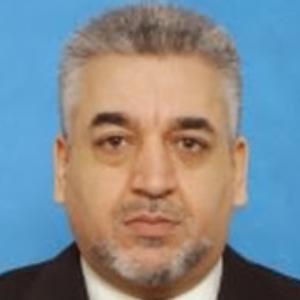
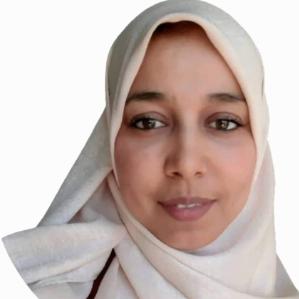
د. عبدالسلام نوري عبدالسلام بريون

الدكتور بريون من أعضاء هيئة التدريس الأوائل الذين ساهموا في تطوير قسم الحوسبة المتنقلة وبرامجه بالكلية منذ بدايته عام 2014. ومن أهم اهتماماته العلمية والبحثية:

هندسة الاتصالات الخلوية للهواتف المتنقلة (الجيل الخامس),

بروتوكولات الحوسبة والاتصالات للأجهزة الذكية,

الحوسبة في كل مكان,

الحوسبة السحابية,

نظم تشغيل الاجهزة الذكية المتنقلة,

الشبكات المتنقلة.

Visit Dr. Baryun Google Scholar site

منشورات مختارة

بعض المنشورات التي تم نشرها في كلية تقنية المعلومات

Assessing Growth and Instability of Open Source Software Systems

Abstract: software systems progressively evolve over time where source code needs to be modified, newly are added and others need to be deleted. Therefore, it is worth to monitor progress and software development, to measure growth and assess system stability. This paper assesses OSS software growth and instability to clarify impacts of its instability on its system growth. Three open source software applications, with different characteristics, have been selected. Size and instability metrics are extracted and statistically analyzed in order to assess the reflections of software growth under instability behaviors.
Ali Mresa, Abdussalam Baryun(6-2021)
Publisher's website

QoS of Communication Networks Using MPLS protocol

This book chapter describes the place of MPLS in current state-of-the-art computer networking systems which emphasis the use of MPLS as a quality of service technique in different networking environments such as data centers and multimedia networking as a backbone networks. The chapter also includes practical experiments; which applied using OPNET network simulation tool; about transmitting multimedia over IP/MPLS networks and a fat tree data center architecture that employing MPLS. The examples show the feasibility of MPLS as a quality of service tool compared to best-effort IP networks. In addition, this chapter describes an effort of designing a network-on-chip system engaging MPLS mechanism as on-chip communication method which has been completely developed in C++. However, all results clearly confirm that MPLS is an efficient quality of service tool.
Azeddien M. Sllame(4-2021)
Publisher's website

Most Common and Reliable Traits for Fusion of Biometrics

Biometrics technologies have been around for quite some time and many have been deployed for different applications all around the world, ranging from small companies' time and attendance systems to access control systems for nuclear facilities. Biometrics offer a reliable solution for the establishment of the distinctiveness of identity based on "who an individual is", rather than what he or she knows or carries. Biometric Systems automatically verify a person's identity based on his anatomical and behavioral characteristics. Biometric traits represent a strong and undeviating link between a person and his identity, these traits cannot be easily lost or forgotten or faked. Since biometric systems require the user to be present at the time of authentication. Some biometric systems are more reliable than others, yet biometric systems are neither secure nor accurate, all biometrics have their strengths and weaknesses. Although some of these systems have shown reliability and solidarity, work still has to be done to improve the quality of service they provide. In this paper we present the most common and reliable known biometric systems suitable for Multimodal Biometrics Fusion, providing highly efficient and secure systems, showing their strengths and weaknesses and also presenting technologies in which may have great benefits for security applications in the near future.
Abdulmonam Omar Ahmed Alaswad, Ihab Meftah Elfituri, Fawzia Elhashmi Mohamad(0-2014)
Publisher's website