قسم علم الحيوان

المزيد ...

حول قسم علم الحيوان

يعتبر قسم علم الحيوان أحد الأقسام العلمية الخمسة (علم الحيوان، علم النبات، الكيمياء، الطبيعة، الرياضة) التي افتتحت بها كلية العلوم بالجامعة الليبية في طرابلس سنة 1957م، وقد ضمت هيئة التدريس بالقسم في سنواته الأولى أساتذة من بعض الدول العربية (مصر، لبنان)، والدول الأجنبية (أمريكا، بريطانيا، الهند، الباكستان) وكانت لغة التدريس آنذاك اللغة الإنجليزية، بينما نظام الدراسة بالقسم هو نظام السنة الجامعية الكاملة ومدة الدراسة بالجامعة أربع سنوات، يدرس فيها آنذاك طالب قسم علم الحيوان المقررات التالية:

السنة الأولى: علم الحيوان وعلم النبات والكيمياء العامة والفيزياء العامة والرياضة العامة.

السنة الثانية: مقررات علم الحيوان وعلم النبات والكيمياء.

السنتان الثالثة والرابعة: يدرس طالب قسم علم الحيوان مقررات في فروع تخصصية لعلم الحيوان علاوة على الكيمياء أو علم النبات أو الجيولوجيا.

تحول نظام التدريس بالقسم من بعد ذلك إلى نظام الفصل الدراسي المغلق، ثم إلى نظام الفصل المفتوح، أي نظام الوحدات الدراسية المتتابعة، بما يشمله من تسلسل مبني على تعاقب في متطلبات مقررات المواد الدراسية والتي تشمل مقررات أساسية (Core courses) ومقررات دراسية داعمة (Supporting courses)، بحيث ينجز الطالب لتخرجه (136) وحدة دراسية، وسعياً من القسم في التطور ومجاراة للتقدم المتسارع في مجالات العلوم الحيوية المختلفة استحدثت خمسة شعب تخصصية، وهي: علم الأحياء التطوري (Developmental Biology) وعلوم الحشرات (Entomology) وعلوم البيئة  (Environmental Sciences) وعلوم البحار (Marine Sciences) والأحياء الجنائي (Forensic Biosciences).

حقائق حول قسم علم الحيوان

نفتخر بما نقدمه للمجتمع والعالم

21

المنشورات العلمية

34

هيئة التدريس

586

الطلبة

239

الخريجون

من يعمل بـقسم علم الحيوان

يوجد بـقسم علم الحيوان أكثر من 34 عضو هيئة تدريس

staff photo

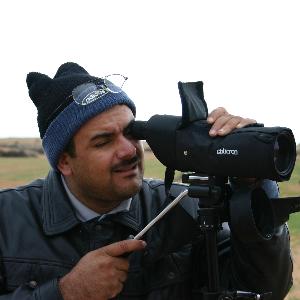
د. صلاح محمد الأمين العجيلي جقنة

صلاح جقنة هو احد اعضاء هيئة التدريس بقسم علم الحيوان بكلية العلوم. يعمل السيد صلاح جقنة بجامعة طرابلس كـاستاذ مساعد في مجال علم الحشرات وله العديد من المنشورات العلمية في مجال تخصصه

منشورات مختارة

بعض المنشورات التي تم نشرها في قسم علم الحيوان

Mutations of Factor VIII (F8) Gene and its Detection in Libyan Patients with Hemophilia A

Abstract This study is to identify some mutations in exons 23, 24, 26 A+B, and 26 A of the factor VIII gene that causes hemophilia A among Libyan patients. Forty-three patients (40 males, 3 females), 10 carrier, and 10 control (8 males, 2 females) were enrolled in this study. The total number were 63 samples for each exon. Blood samples were collected from Libyan patients (Department of Paediatric Hematology, Tripoli Medical Center), and kept in freezer at -20 Cº. The blood samples were transported to DNA laboratory in the Genetic Engineering Department and Human Tissues Department Biotechnology Research Center, Twesha- Libya. Genomic DNA was extracted from whole blood and DNA was visualized by Agarose Gel Electrophoresis, and DNA concentration was measured by Spectrophotometer. DNA was amplified by polymerase chain reaction (PCR) technique. Mutations were identified by restriction enzymes Taq I and Xba I. Taq I was used to detect nonsense mutations in Exon 23, 2147 [ Arg Stop codon (Term)], Exon 24, 2209 [ Arg Stop codon (Term)], and Exon 26 A+B, 2307 [ Arg Stop codon (Term)]. Our result showed no mutations were detected by using restriction enzyme Taq I in Exons 23, codon 2147, Exon 24, codon 2209, and Exon 26A+B, codon 2307. But by using restriction enzyme Xba I, we found six insertion mutations in Exon 26A, 3919 (ins GA) 11.3 % of 53 patients, and two partial deletion mutations in Exon 23 (3.8 % of 53 patients) refer to area failed to be amplified by PCR.
نادية نور الدين الصربوط (2010)
Publisher's website

دراسة تنوع العناكب بمتنزه أبوغيلان الوطني

جُمع 1872 فرد من العناكب خلال الدراسة التي أجريت في الفترة من ديسمبر 2007 إلى نوفمبر 2008 في متنزه أبوغيلان الوطني، استخدمت طريقة الجُمع المباشر باستعمال الملاقط والشفاط كما استخدمت المصائد الأرضية Pitfall traps، جُمعت العينات من بيئتين مختلفتين هما بيئة الوديان وبيئة الأراضي المفتوحة، صنفت العينات التي جُمعت إلى رتيبتين ،27 فصيلة ،56 جنس. كانت الأفراد التي جُمعت بالطريقة المباشرة أكثر وفرة حيث جُمع 1428 فرد ومثلت نسبة 76% تقريباً بينما جُمع 444 فرد بالمصائد الأرضية ومثلت نسبة 24% تقريبا. كانت فصيلةSalticidae الأكثر وفرة بين الفصائل بنحو 338 فرد وبنسبة 17% تقريباً وجُمع 211 فرد من فصيلة Gnaphosidae وبنسبة 11.27%، وجُمع 200 فرد من فصيلة Theridiidae بنسبة 10.6% وكانت فصيلة Ammoxenidae الأقل وفرة حيث جُمع فرد واحد فقط. تباينت أعداد العناكب باختلاف فصول السنة وكان فصل الصيف الأكثر وفرة حيث جُمع 855 فرد وبنسبة 45.6%، وأقلها وفرة كان فصل الشتاء بنحو 167 فرد وبنسبة 8.92%، وقد وجدت فروقات معنوية بين الأعداد المُجمعة في الفصول المختلفة، وقد يُعزى هذا لملائمة درجات الحرارة والتي تعطي فرصة أكثر لتوفر الفرائس التي تتغذى عليها العناكب والتي تكون في الغالب من الحشرات ومتساويات الأرجل بشكل عام؛ كما أن نهاية فصل الربيع و بداية فصل الصيف الفصل الذي يبحث فيه الذكر عن الأنثى للتزاوج وهذا يعطي فرصة أكبر لمسكه سواء بالطريقة المباشرة أو بالمصائد الأرضية. سُجل أثناء فترة الدراسة فصيلتان جديدتان الأولى من لرتيبة Megalomorpha، Microstigmatidae؛ أما الفصيلة الثانية لرتيبة Arenomorpha، Ammoxenidae كما سُجلت خمسة أجناس جديدة هي: Oecobius، Desis، Heriaeus، Rugathodes، Thanatus. Abstract This study that was conducted at Abughelan National Park, during December 2007 and November 2008. A total of 1872 individual of spiders were collected. Two methods of collection used, direct collection using a forceps and the a pooter, and the Pitfall traps. Two habitats within the study area were sampled, the wadi and open pastures. Samples were classified using available keys. Results showed that collected samples belonged to two suborders, 27 families, 56 genera. Direct collection methods yielded 1428 individuals (76%), while Pitfall traps collected 444 individuals (24%). The most abundant family was Salticidae (338 individual, 17%), while 211 individuals belonged to family Gnaphosidae (11.27%), and the family Theridiidae 200 individuals (10.6%). The least abundant family was Ammoxenidae with only one sample. The number of spider samples varied seasonally, the highest was in summer 855 individuals (45.6%), and the lowest were collected in winter 167 individual (8.92%). There were significant differences in sample numbers, most likely attributed to availability of prey insects and isopods during spring and summer compared to winter months. Spring and summer seasons are the mating time for spiders, which gives a greater opportunity to trap males searching for mates, either by direct collection methods or Pitfall traps. This study also added two new families to the Libyan arachnids, family Microstigmatidae: Megalomorpha and amily Ammoxenidae: Arenomorpha. Groups of other five new species from other families were also recorded for the first time; these are Oecobiu sp., Desis sp., Heriaeus sp., Rugathodes sp. and Thanatus sp.
عصام محمد سالم أبو راص (2014)
Publisher's website

Life Cycle of the Southern Green Bug, Nezara viridula (L.)(Heteroptera: Pentatomidae) and its Egg Parasitoid, Trissolocusbassalis (Woll.) (Hymenoptera: Scelionidae)

Abstract Biological studies of Nezara viridula (L.) (Heteroptera:Pentatomidae) and its parasitoid Trissolcus basalis (Wollaston)(Scelionidae: Hymenoptera) collected from Libya were conducted in a rearing room at 25 ± 5°C, 65 ± 10 % R.H. and 16:8 LD photoperiod.During the course of rearing of N. viridula the eggs incubation periodvaried between 4-7 days. The newly emerged nymphs and the 5th stage had the highest mortality in comparison with 1st, 2nd, 3rd and 4thstages .studies on T. basalis included: SEM, development time, parasitoid mating behavior and oviposition behavior, functionalresponse and fecundity. The development time was 4 to 10 days underthe laboratory condition. Adult males lived longer than females.Mating time took from 12.2 to 19.5 seconds. In case of ovipositionbehavior serial of behaviors were observed and recorded. The egg selection period was 0: 00: 08 - 0: 00: 25 min, oviposition period was 0: 01: 04 - 0: 01: 41 min. Egg marking period was 0: 00: 11 - 0: 00: 25 min. The longest period was the oviposition period followed by egg marking period followed by egg selection period.In functional response study was found a highly positive correlation ( r = 0.974 ) number of egg masses exposed and the number of parasitoid emerged. Fecundity experiments showed that the daily ii production of progeny by female of T. basalis during 6-10 dayslifetime showed that female progeny production was higher than male progeny production. The maximum period offspring production was 6-10 days. There was a highly negative correlation ( r = - 0.900 ) between the number of eggs parasitized and parasitoid age . Also there is a highly signifcant difference between the fecundity of T. basalis newly emerged of 24 h and after 7 days after emergence from N. viridula eggs. The number of mature eggs in the ovary were less in 24h aged female and the fecundity increased over the next 7 days.
عايدة عادل عبد الرحيم بادي (2008)
Publisher's website