قسم علم الحيوان

المزيد ...

حول قسم علم الحيوان

يعتبر قسم علم الحيوان أحد الأقسام العلمية الخمسة (علم الحيوان، علم النبات، الكيمياء، الطبيعة، الرياضة) التي افتتحت بها كلية العلوم بالجامعة الليبية في طرابلس سنة 1957م، وقد ضمت هيئة التدريس بالقسم في سنواته الأولى أساتذة من بعض الدول العربية (مصر، لبنان)، والدول الأجنبية (أمريكا، بريطانيا، الهند، الباكستان) وكانت لغة التدريس آنذاك اللغة الإنجليزية، بينما نظام الدراسة بالقسم هو نظام السنة الجامعية الكاملة ومدة الدراسة بالجامعة أربع سنوات، يدرس فيها آنذاك طالب قسم علم الحيوان المقررات التالية:

السنة الأولى: علم الحيوان وعلم النبات والكيمياء العامة والفيزياء العامة والرياضة العامة.

السنة الثانية: مقررات علم الحيوان وعلم النبات والكيمياء.

السنتان الثالثة والرابعة: يدرس طالب قسم علم الحيوان مقررات في فروع تخصصية لعلم الحيوان علاوة على الكيمياء أو علم النبات أو الجيولوجيا.

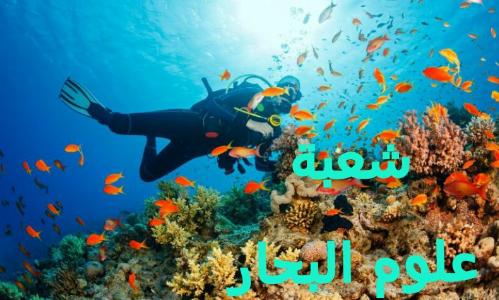
تحول نظام التدريس بالقسم من بعد ذلك إلى نظام الفصل الدراسي المغلق، ثم إلى نظام الفصل المفتوح، أي نظام الوحدات الدراسية المتتابعة، بما يشمله من تسلسل مبني على تعاقب في متطلبات مقررات المواد الدراسية والتي تشمل مقررات أساسية (Core courses) ومقررات دراسية داعمة (Supporting courses)، بحيث ينجز الطالب لتخرجه (136) وحدة دراسية، وسعياً من القسم في التطور ومجاراة للتقدم المتسارع في مجالات العلوم الحيوية المختلفة استحدثت خمسة شعب تخصصية، وهي: علم الأحياء التطوري (Developmental Biology) وعلوم الحشرات (Entomology) وعلوم البيئة  (Environmental Sciences) وعلوم البحار (Marine Sciences) والأحياء الجنائي (Forensic Biosciences).

حقائق حول قسم علم الحيوان

نفتخر بما نقدمه للمجتمع والعالم

21

المنشورات العلمية

34

هيئة التدريس

586

الطلبة

239

الخريجون

من يعمل بـقسم علم الحيوان

يوجد بـقسم علم الحيوان أكثر من 34 عضو هيئة تدريس

staff photo

أ. سمية عمر محمد التومي

بكالوريوس في علم الحيوان/كلية العلوم / جامعة طرابلس، درجة الماجستير في وراثة الإنسان/ جامعة كاستمونو/ تركيا

منشورات مختارة

بعض المنشورات التي تم نشرها في قسم علم الحيوان

Effects of storage temperature on the quantity and integrity of genomic DNA extracted from mice tissues: A comparison of recovery methods

Efficient extraction of genomic DNA (gDNA) from biological materials found in harsh environments is the first step for successful forensic DNA profiling. This study aimed to evaluate two methods for DNA recovery from animal tissues (livers, muscles), focusing on the best storage temperature for DNA yield in term of quality, quantity, and integrity for use in several downstream molecular techniques. Six male Swiss albino mice were sacrificed, liver and muscle tissues (n=32) were then harvested and stored for one week in different temperatures, -20C, 4C, 25C and 40C. The conditioned animal tissues were used for DNA extraction by Chelex-100 method or NucleoSpin Blood and Tissue kit. The extracted gDNA was visualized on 1.5% agarose gel electrophoresis to determine the quality of gDNA and analysed spectrophotometrically to determine the DNA concentration and the purity. Both methods, Chelex-100 and NucleoSpin Blood and Tissue kit found to be appropriate for yielding high quantity of gDNA, with the Chelex100 method yielding a greater quantity (P < 0.045) than the kit. At -20C, 4C, and 25C temperatures, the concentration of DNA yield was numerically lower than at 40C. The NucleoSpin Blood and Tissue kit produced a higher (P=0.031) purity product than the Chelex-100 method, particularly for muscle tissues. The Chelex-100 method is cheap, fast, effective, and is a crucial tool for yielding DNA from animal tissues (livers, muscles) exposed to harsh environment with little limitations.
Huda H. Al-Griw, Zena A. Zraba, Salsabiel K. Al-Muntaser, Marwan M. Draid, Aisha M. Zaidi, Refaat M. Tabagh , Mohamed A. Al-Griw(8-2017)
Publisher's website

دراسة تنوع العناكب بمتنزه أبوغيلان الوطني

جُمع 1872 فرد من العناكب خلال الدراسة التي أجريت في الفترة من ديسمبر 2007 إلى نوفمبر 2008 في متنزه أبوغيلان الوطني، استخدمت طريقة الجُمع المباشر باستعمال الملاقط والشفاط كما استخدمت المصائد الأرضية Pitfall traps، جُمعت العينات من بيئتين مختلفتين هما بيئة الوديان وبيئة الأراضي المفتوحة، صنفت العينات التي جُمعت إلى رتيبتين ،27 فصيلة ،56 جنس. كانت الأفراد التي جُمعت بالطريقة المباشرة أكثر وفرة حيث جُمع 1428 فرد ومثلت نسبة 76% تقريباً بينما جُمع 444 فرد بالمصائد الأرضية ومثلت نسبة 24% تقريبا. كانت فصيلةSalticidae الأكثر وفرة بين الفصائل بنحو 338 فرد وبنسبة 17% تقريباً وجُمع 211 فرد من فصيلة Gnaphosidae وبنسبة 11.27%، وجُمع 200 فرد من فصيلة Theridiidae بنسبة 10.6% وكانت فصيلة Ammoxenidae الأقل وفرة حيث جُمع فرد واحد فقط. تباينت أعداد العناكب باختلاف فصول السنة وكان فصل الصيف الأكثر وفرة حيث جُمع 855 فرد وبنسبة 45.6%، وأقلها وفرة كان فصل الشتاء بنحو 167 فرد وبنسبة 8.92%، وقد وجدت فروقات معنوية بين الأعداد المُجمعة في الفصول المختلفة، وقد يُعزى هذا لملائمة درجات الحرارة والتي تعطي فرصة أكثر لتوفر الفرائس التي تتغذى عليها العناكب والتي تكون في الغالب من الحشرات ومتساويات الأرجل بشكل عام؛ كما أن نهاية فصل الربيع و بداية فصل الصيف الفصل الذي يبحث فيه الذكر عن الأنثى للتزاوج وهذا يعطي فرصة أكبر لمسكه سواء بالطريقة المباشرة أو بالمصائد الأرضية. سُجل أثناء فترة الدراسة فصيلتان جديدتان الأولى من لرتيبة Megalomorpha، Microstigmatidae؛ أما الفصيلة الثانية لرتيبة Arenomorpha، Ammoxenidae كما سُجلت خمسة أجناس جديدة هي: Oecobius، Desis، Heriaeus، Rugathodes، Thanatus. Abstract This study that was conducted at Abughelan National Park, during December 2007 and November 2008. A total of 1872 individual of spiders were collected. Two methods of collection used, direct collection using a forceps and the a pooter, and the Pitfall traps. Two habitats within the study area were sampled, the wadi and open pastures. Samples were classified using available keys. Results showed that collected samples belonged to two suborders, 27 families, 56 genera. Direct collection methods yielded 1428 individuals (76%), while Pitfall traps collected 444 individuals (24%). The most abundant family was Salticidae (338 individual, 17%), while 211 individuals belonged to family Gnaphosidae (11.27%), and the family Theridiidae 200 individuals (10.6%). The least abundant family was Ammoxenidae with only one sample. The number of spider samples varied seasonally, the highest was in summer 855 individuals (45.6%), and the lowest were collected in winter 167 individual (8.92%). There were significant differences in sample numbers, most likely attributed to availability of prey insects and isopods during spring and summer compared to winter months. Spring and summer seasons are the mating time for spiders, which gives a greater opportunity to trap males searching for mates, either by direct collection methods or Pitfall traps. This study also added two new families to the Libyan arachnids, family Microstigmatidae: Megalomorpha and amily Ammoxenidae: Arenomorpha. Groups of other five new species from other families were also recorded for the first time; these are Oecobiu sp., Desis sp., Heriaeus sp., Rugathodes sp. and Thanatus sp.
عصام محمد سالم أبو راص (2014)
Publisher's website

Comparison of Prevalence and Distribution of Intestinal parasitic infections in primary Schoolchildren in Tripoli and Al-Jfarah- Libya

الإصابة بالطفيليات المعوية تعتبر إحدى المشاكل الصحية الرئيسية المنتشرة بين الأطفال في العالم ((Quihui-cota et al. 2004. هدف الدراسة الحالية تحديد معدل انتشار مختلف أنواع الطفيليات المعوية ومقارنتها بين طلاب مدارس المرحلة الابتدائية الواقعة ضمن نطاق مدينة طرابلس (منطقة حضرية) ومنطقة الجفارة (منطقة ريفية) , ودراسة تأثير الإصابة علي الصحة العامة لأطفال المدارس. أجريت هذه الدراسة في الفترة من سبتمبر 2005 إلى ابريل 2008. حيث تم جمع البيانات (عينة براز واحدة واستبيان مفصل) من مجموع 3331 طفل (1696 ذكر و1635 أنثي) من 34 مدرسة ابتدائية لمنطقتي طرابلس والجفارة تتراوح أعمارهم من 6 إلى 14 سنة. تم فحص كل العينات(3331) بواسطة طريقة التركيز والترسيب باستخدام الإثر والفرمالين (Garcia, 2001)، وطريقة الفحص المباشر استخدمت لفحص 239 عينة براز طازجة من مجموع العينات (3331)، بعد ذلك يتم فحصهم بطريقة التركيز والترسيب. تم تحضير لطخات براز من راسب 209 عينة من مجموع العينات (3331) وصبغها بصبغة زيل-نلسن المعدلة (Garcia, 2001)، وذلك لتحديد أنواع الطفيليات المعوية البوغية من جنس الكريبتوسبوريدوم. كذلك تم فحص عدد 47 عينة دم لأطفال مصابين بطفيليات معوية و 32 عينة من أطفال غير مصابين (عينات السيطرة) لتحضير لطخات من الدم وصبغها لتعين نوع و نسبة كرات الدم البيضاء وتحديد أشكال كرات الدم الحمراء وعمل اختبار صورة كاملة للدم ((C.B.C. أظهرت النتائج أن نسبة انتشار الطفيليات المعوية في منطقة الدراسة بالكامل كانت (25.1 %), كما أظهرت وجود ثلاثة عشر نوع من الطفيليات المعوية, ثمانية أنواع ممرضة (المتكيسة البشرية, المتحولة الحالة للنسج, الجيارديا اللمبلية, الصفر الخراطيني, السرمية الدويدية, الأسطوانية البرازية, الملقوة العفجية و المحرشفة القزمة), وخمسة أنواع غير ممرضة ( المتحولة القولونية, الوئيدة القزمة, المتحولة الهارتماتية, المتحولة اليودية البوتشيلية و شفوية السياط المنيلية). ولم يثبت وجود طفيل الكريبتوسبوريدوم في(209) عينة من مجموع عينات الدراسة (3331). أظهرت النتائج أن هناك اختلافات معنوية بين نسبة انتشار الطفيليات المعوية في المناطق الحضرية 22.5 %, و المناطق الريفية 27.9, و بين الإصابة بنوع واحد من الطفيليات و الإصابة بأكثر من نوع (P < 0.05). بينما سجل طفيلي السرمية الدويدية و الوئيدة القزمة انتشار أعلي نسبيا في المناطق الحضرية عن المناطق الريفية, بينما كان معدل انتشار باقي الأوليات و الديدان المعوية أعلي نسبيا في المناطق الريفية عن المناطق الحضرية.أشارت نتائج الدراسة إلي وجود اختلافات معنوية في نسبة انتشار الطفيليات المعوية بين المناطق والمدارس في كل منطقة, الإصابة ووجود حيوانات في المنزل أو في المزرعة (P < 0.05), و لم تشر الدراسة إلي وجود علاقة بين الإصابة بالطفيليات المعوية وكلا من الجنس, العمر, الجنسية, وزن الجسم, فصلي الخريف والشتاء, عدد أفراد العائلة, نوع المنزل, مصدر ماء الشرب بالمنزل, مصدر التغذية في المدرسة, طريقة التخلص من مياه الصرف الصحي في المنزل و فقر الدم وزيادة عدد كرات الدم الحمضية (P > 0.05).بينت الدراسة أن الأعراض المصاحبة للإصابة (مثل مغص البطن, فقد الشهية للطعام و الإسهال) شائعة الظهور في الأطفال المصابين بأكثر من نوع واحد من الطفيليات المعوية, بينما يقل ظهور هذه الأعراض في الأطفال المصابين بنوع واحد فقط. كما بينت أن تشخيص الطفيليات المعوية في عينة البراز باستخدام طريقة التركيز والترسيب مع استعمال مثبت (SAF) هي الطريقة المثلي لحفظ وتشخيص كل مراحل وأنواع الطفيليات المحتمل وجودها في عينة البراز. Abstract One of the major health problems among children worldwide is the intestinal parasite infestations (Quihui- cota et al. 2004). The aim of the presented research work was to estimate as well as to compare the prevalence of different intestinal parasitic infection among schoolchildren within different areas in Tripoli city (urban area) and Al- Jfarah area (rural area) and their impact on health of schoolchildren. The study was conducted between September 2005 and April 2008. Data (single stool samples and detailed questionnaire) were collected from 3331 primary schoolchildren (1696 males and 1635 females) from 34 schools of the two areas, the age range between 6 to 14 years. All samples were screened for the presence of non-acid fast parasites by sedimentation concentration method (Garcia, 2001), and direct smear method was used for only fresh stool samples (239/ 3331), followed by sedimentation concentration method. Faecal smears of (209/ 3331) samples were screened by the modified Ziehl-Neelsen method (Garcia, 2001) for detection of Cryptosporidium spp. Blood samples of 47 infected and 32 non-infected (control sample) children for determine C.B.C test and count of eosinophil cells before the initiation of therapy by anti-parasite drugs. Results showed the prevalence rate was (25.1 %), thirteen species of intestinal parasite were detected, and eight species were pathogenic, (Blastocystis hominis, Giardia lamblia, Entamoeba histolytica/ Entamoeba dispar, Ascaris lumbricoides, Enterobus vermicularis, Strongyloides stercoralis, Ancylostoma duodenale and Hymenolepis nana), and five species were non-pathogenic (Entamoeba coli, Endolimax nana, Entamoeba hartmanni, Iodamoeba butschlii and Chilomastix mesnili), no Cryptosporidium spp were detected. Prevalence rate in Al-Jfarah 27 % was higher than that in Tripoli 22.5 %. Prevalence rate of E. vermicularis and E. nana was relatively high in Tripoli than in Al-Jfarah, whereas the prevalence of other intestinal protozoa and helminths was relatively high in Al-Jfarah children than in Tripoli children. The study revealed there was statistically significant in infection rate between districts and schools in each area, single and mixed infections, infection rate and found animals in homes or farms of subjects (P< 0.05), whereas there was no significant relationship between infection rate and sex, age groups, nationality, season, family size, type of house, source of water in home, source of school nutrition, type of sewage disposal in home, parasitic infection and anemia and eosinophilia (P> 0.05). The intestinal symptoms were more common among children by more than one type of intestinal parasites, and the sedimentation concentration method and (SAF) fixatives was a quite reliable for diagnosis and preserved all kinds and stages of parasites found in faecal samples.
نجاة المهدي الغنيمي (2010)
Publisher's website