

كلية العلوم

المزيد ...

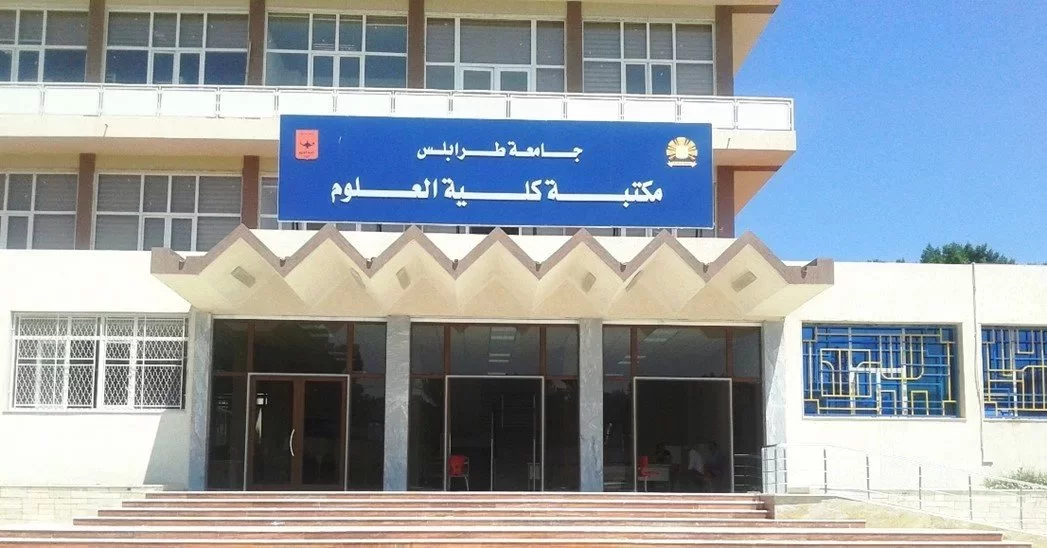
حول كلية العلوم

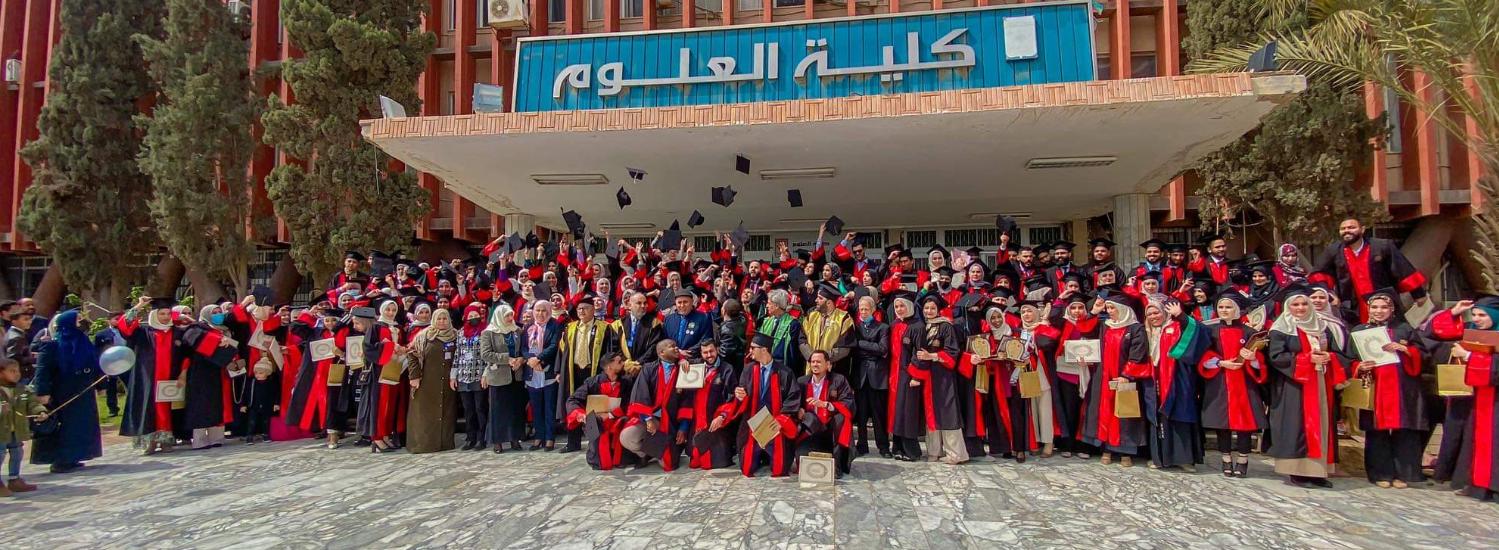
كلية العلوم- جامعة طرابلس هي نواة كليات العلوم ليس فقط في هذه الجامعة العريقة بل في الدولة الليبية . تضم في الوقت الحالي عشرة اقسام علمية ويجري العمل على استحداث قسم جديد Archaeology يختص بدراسة بالجانب العلمي البحثي للتراث التاريخي للشعب الليبي، وهذه الأقسام العلمية هي قسم علم الحيوان وعلم الرياضيات، وعلم الفيزياء، وعلم الكيمياء، وعلم النبات وعلم الجيولوجيا ، وعلم الحاسب الآلي وعلم الإحصاء ، وعلم الغلاف الجوي  وعلم الجيوفيزياء. عمل خريجو هذه الكلية في مختلف القطاعات منها على سبيل المثال وليس الحصر:

  • مجال النفط تنقيبا واستخراجا وتكريراً.
  • مجمعات الصناعات الكيميائية في أبي كماش وراس الانوف وشركات اللدائن إنتاجاً وتصنيعاً، و في مصانع الصابون ومواد التنظيف وغيرها.
  •  مجال التعليم وما يتعلق به من مجالات بحثية في جميع المراحل والمستويات منها التعليم المتوسط والعالي.

 لقد قاد خريجو هذه الكلية المسيرة العلمية لسنوات طويلة ولازالوا يمثّلون اللبنة الأولى في جميع كليات العلوم، وبعض الكليات الأخرى في جميع الجامعات الليبية، التي تأسست في الخمسة عقود الماضية. شمل مجال عمل خريجوها كليات الطب (في مجال العلوم الأساسية ، والكيمياء الحيوية وعلم التشريح والأنسجة والإحياء الدقيقة) وكليات الزراعة في معظم أقسامها والهندسة في المرحلة العامة وقسمي الهندسة الكيميائية والجيولوجية تحديدا، والتقنية الطبية والصيدلة وكلية الاقتصاد والآداب، وذلك من خلال برامج الدراسة الجامعية التي عملت على توفير معيدين للجامعــــــــات الأخــــــــــرى بالدولــــــــة الليبية أو توفير أعضــاء هيئة التدريس من حملة

  • تعتبر كلية العلوم من أوائل الكليات الجامعية التي تبنّت برامج الدراسات العليا بالداخل رغم طبيعة الدراسات العليا في العلوم الأساسية والتي تحتاج إلى إمكانيات تتعدى الأستاذ الكفؤ والذي هو متوفر والحمد لله في هذه المؤسسة، وذلك لان عدد كبير من الأساتذة تخرجوا من جامعات في الغرب والشرق (أمريكا، بريطانيا، أستراليا، معظم الدول الأوروبية) هذه الجامعات مشهود لها بالمستوى الأكاديمي الرفيع.
  • عمل ويعمل خريجوها أيضا في مراكز البحوث الصناعية والنووية والنفط والأحياء البحرية والتقنيات الحيوية واللدائن وغيرها من المراكز البحثية المتخصصة، وذلك بعد حصولهم على الشهادة الجامعية الأولى أو بعد حصولهم على درجات التخصص العالية والدقيقة من الداخل و الخارج .
  • إثراء الحركة العلمية البحثية في مجالات العلوم الاساسية بالدولة الليبية من خلال اصدار مجلة العلوم الاساسية المحكمة.

حقائق حول كلية العلوم

نفتخر بما نقدمه للمجتمع والعالم

170

المنشورات العلمية

267

هيئة التدريس

1831

الطلبة

686

الخريجون

من يعمل بـكلية العلوم

يوجد بـكلية العلوم أكثر من 267 عضو هيئة تدريس

staff photo

أ. حسين رجب حسين قنود

رئيس قسم علوم الحاسب الآلي

منشورات مختارة

بعض المنشورات التي تم نشرها في كلية العلوم

التواجد الموسمي لذباب ثمار الخوخ، Bactrocera zonata وذبابة فاكهة البحر الأبيض المتوسط، Ceratitis capitata (Diptera: Tephritidae) في محطة أبحاث كلية الز ا رعة، جامعة ط ا ربلس، ليبيا

المستتخلصك ديناميكيةة عشةالر الةثا ةة العدديةة لابابةة ثمةار الخةو Bactrocera zonata (Saunders) وذبابةة اة ةة البحة ر الأبةيا المتوسة ، Ceratitis capitata (Wiedemann) للفتةرة الموسةمية بةيس سةبتمبر و ديسةمب ر 2020 ، باسةتخدام مئةالد McPhail traps مة جةاذ الةاكو ر Methyl eugenol لةابا ثمةار الخةو و Trimedlure لابابةة اة ةة البحةر الأبةيا المتوسة مة المبيةد الحشةر Chlorpyrifos (CPS) لةةم من مةا، وأخةا عينةات المئةالد بشةكم دور ةا بسةتانيس الحم ةيات والخو المتجاوريس بمحطة ابحاث كلية الز ا رعة، جامعة ط ا ربلس، ليبيا. سُجلت معدلات الحشة ا رت البالةةة الموسةورة ةا المئةالد لةةم بسةتان، وبلةةت ذر وة الةثا ةة العدديةة ةا شة ر أةتةوبر موسةم الخرية . لوفاةت اختلا ةات معنويةة عاليةة ةا الةثا ةة العدديةة لت تةيس وبيس الأش ر والتداخم بين مةا، ولةيس بةيس عوالةم الحم ةيات والخةو الفاة ةة الم ةيفة. الا ةور والنشةام الموسةما للفتةرة بةيس أشة ر سبتمبر وديسمبر مس العام اقت يه الةثا ة العددية لابابة اة ة البحر الأبيا المتوسة عةس ذبةا ثمةار الخةو بنسةبة زيةادة تئةم 27 - 4.5 %. درجةات الحة ا ررة القئةون والةدنيا المُثلة المُسةجلة تتوا ةم مة متوسة الةثا ةة العدديةة عنةد مسةتون الةاروة للمئةالد الجاذبة لابا ثمار الخو ) 2790 رداً( وذبابة اة ة البحر الأبيا المتوس ) 3450 ردا( لش ر أةتوبر بمتوسة لةدرجات الحة ا ررة 23.5 م° بةيس، والمتوسة الشة ر لةةم مةس: الرطوبةة النسةبية الملاويةة الأةثةر ملا مةة لت تةيس 61 ٪، كميةة الأمطةار 29 مةم و 9.4 ساعات سطوع الشمس اليوما. بالإضا ة لت ا زمس ذروة الةثا ةة العدديةة لابابةة ثمةار الخةو وذبةا البحةر الأبةيا المتوسة مة ن ة الثمةار ةا بسةاتيس الحم ةيات والخةةو بمنطقةة الد ا رسةة. يعتبةر اةةاا البحةم الأول مةس نوعةه ةةا ليبيةا، والبيانةات المتحئةم علي ةةا جا ت متوا قة م العديد مس الد ا رسات السابقة خاصة ا بلدان منطقة البحر الأبيا المتوس والبلةدان المجةاورة، والتةا تسةاام ةا الرقابة الموسمية ل اه الآ ات والتخطي المستقبلا لاست ا رتيجية برنام ا ظم المكا حة المتةاملة لت ات. الكلمتا المفتاحيتة: Bactrocera zonata ، Ceratitis capitata ، العوامةم المناخيةة، ديناميكيةة العشةالر، الحم ةيات، الخةو ، المئالد، ط ا ربلس، ليبيا
نوال عبد السلام محفوظ, هدي مصطفي عمر الشبة(1-2022)
Publisher's website

The Basaltic Intrusions of Central Jabal Nefusah Foothills

Abstract The basaltic Intrusions of the Central Jabal Nafūsah Foothills which extend from NW Wādi Zāret to NE Wādi Ghān Dām are part of the latest stage of Gharyān Volcanic Province (GVP). These intrusions are classified on basis of their shape and mechanism of emplacement into four kinds of volcanic bodies. These are; sheets (dykes and a sill), dykes associated with volcaniclasts, volcanic cone and lava mounds. Generally, the dyke emplacements are restricted only to the area between Wādi Zāret to Abū Ghaylān, while the other forms extend from Rās al Mazūl Dome to Wādi Ghān Dam. The more differentiated rocks are restricted to the area between Rās al Mazūl Dome and Wādi Ghān. Farther west towards Wādi Zāret, ultramafic xenoliths and magnesium-number increase, suggesting closer proximity to the source. The rocks are essentially alkaline with within Intraplate signatures. They straddle the composition from picrites, basanites, alkali basalts through hawaiites, mugearite to benmoreites with a compositional gap between the last two types. Generally, the phenocrysts are represented by foresteritic olivine, Cadiopsidic pyroxene, magnesiotaramitic amphibole, plagioclase, K-feldspar and titanomagnetite. The chemical composition of the mafic minerals indicates that they are high pressure phenocryst phases. The most primitive picrites satisfied the criteria of primary mantle melts. The rocks are generally, enriched in LILE suggesting an enriched mantle source. The studied rocks were grouped into five groups based on incompatible trace element ratios; Group-A includes picrite, basanites and hawaiites, and Group-B includes picrite (Z-3), basanites , alkali basalts, and hawaiites, while Group-C is formed of hawaiites, Group-D is composed of mugearite and Group-E is made up of benmoreites. Picrites and basanites of these rock have high Mg-number (>0.64), high Cr and Ni contents and strong light rare earth element enrichment, but systematic depletion in Rb, K and Ba relative to trace elements of similar compatibility in anhydrous mantle. Alkali basalts and more differentiated magmatic rocks have lower Mg-number and lower abundances of Ni and Cr, and have undergone fractionation of mainly olivine, clinopyroxene, Fe–Ti oxide, amphibole and plagioclase. The variation in the concentrations of major, trace, rare earth elements, and incompatible element ratios in the rock samples demonstrate the heterogeneous character of their source region. Such heterogeneity can be interpreted by the involvement of a heterogeneous mantle reservoir to different degrees of partial melting. The REE data require residual spinel stability peridotite field in the source and constrain the melting process of Group-C and Group-D to 2% to 3.5% degrees of melting respectively, Group-A and Group-B both to 5% degree of partial melting while Group-E to 10% degree of partial melting of spinel lherzolite xenoliths of Al Ourban area. Mass balance modelling of the major suggests two possible FC scenarios; Derivation of basanites and hawaiites of group-A from G-3 picritic parental magma. Derivation of Group-D and Group-E was also possible from these basanites. Derivation of basanites of Group-B from Z-3 picrite parental magma and simultaneous derivation of G-4 and QJ-1 alkali basalts from Z-3 picrite parental magma. V Simple mass-balance calculations suggest that the melting assemblages of picrites and basanites consisted of forsteritic olivine, diopsidic clinopyroxene, Ti-magnetite. While the alkali basalts and more differentiated magmatic rocks, mass-balance calculations suggest that the melting assemblages consisted of sodic plagioclase, magnesiotaramitic amphibole, diopsidic pyroxene, Ti-magnetite, K-feldspar with sub amounts of apatite and sphene.
سمية عون (2015)
Publisher's website

Sedimentological Aspects of the Sarir Sandstone in Messla Oil Field, Southeastern Sirt Basin, Libya

Abstract The Sarir Sandstone in Messla Oil Field are of Lower Cretaceous ageAptian Alpian and occur in the subsurface of the eastern part of the Messla high in the southeast Sirt Basin. The Sarir Sandstone interpret as fluvial and alluvial fan deposits whereas the Lower Sarir Sandstone were deposited in a braided system as inter-channel bars. The Upper Sarir Sandstone were deposited in the meandering belt of the fluvial system. The Sarir Sandstone is on-lapping Formation and wedge out against Rakb Group. The Sarir Sandstone is unconformable overlies the Pre-Cambrian Basement and unconformable overlain by the Upper-Cretaceous Rakb Group where it is pinching (wedging) out against the Bald Basement; Messla High)). Lithostratigraphic correlations of borehole logs ((well logs)) in concession 65 suggests that deposits gradually downed a fault controlled topographic surface increased in thickness on the down-thrown side of a fault controlled the topographic surface of Pre-Upper Cretaceous Unconformity. IV M. Sc. Hassin Haweel “Sedimentological Aspects of the Sarir Sandstone in Messla Oil Field”, 2015 Core Samples record mainly sandstone units interbedded with sandstone and shale and minor streaks and the Red Shale Unit. Estimation of depositional environment has thus been made from grain size analyses using thin sections. Petrographic studies show that the Sarir Sandstone in composition from (subarkose to arkosic arenite). The Sandstones range from texturally immature to submature, however, much of the clay content is diagenetic in origin and not a function of the depositional regime. Diagenetic studies reveal a gnite complex paragenesis. During early diagenesis, the Sarir Sandstones were modified by Calcite, dolomite, and locally pyrite, diagenesis process; replacements of corroded silica by carbonates. Cementation fluvial sandstones Intrastratal dissolution and precipitation of kaolinite in the resulting pore space. Deformation of micas between more resistant grainy pre-dates one phase of quartz overgrowth, probably the carbonates.The purpose of this study was to investigate in detail the characteristics of the Sarir Sandstone in Messla Oil Field. Another aim was to find out the relation to the adjacent area. The method of this study was conducted with the review of the previousworks in Messla Oil Field; published papers, the open file of the Arabian Gulf Oil Company (AGOCO), well files for the data to be used in constructing maps, cross sections and profiles. Four cored wells (418 feet) V M. Sc. Hassin Haweel “Sedimentological Aspects of the Sarir Sandstone in Messla Oil Field”, 2015 were used for the core descriptions and cut samples that represent the Sarir Sandstone and (130) thin sections were used for the Petrographic analysis with polarized and scanning electron microscopes (SEM). On the other hand, XRD and XRF were not available. The results of the study were: Subsurface investigations including cores (conventional and side walls), petrographic analysis, and wire-line logs suggested that this formation (Sarir Sandstone) can be divided in to three main units in Messla Oil Field; these units are: The Lower Sarir Sandstone, the Red Shale, and the Upper Sarir Sandstone. In the adjacent area Sarir Formation was divided in to five members; Pre-Upper Cretaceous Member-1 unconformably overlying Pre-Cambrian Basement, and upwards; Member 2, Member 3, Member 4, and Member 5 unconformably overlain by Rakb Group. The Lower Sarir Sandstone in Messla Oil Field is characterized by the presence of gravely sandstone, gradually changes in to the Red Shale. Also, from the core descriptions plotted sheets, and the well logs it is finning upwards. The quarzitic sandstones of (the Lower and the Upper Sarir Sandstones) are considered to be the main producing horizons where quartz grains have undergone a complex diagenetic history, including: Authigenesis, quartz and feldspar overgrowths, dissolution, carbonates cementation, and replacement. The principal conclusion was that: the gravelly sandstone unit at the Lower part of the Lower Sarir Sandstone was deposited, most likely in a braided system as inter-channel bars. The sandstone unit of the Upper Sarir VI M. Sc. Hassin Haweel “Sedimentological Aspects of the Sarir Sandstone in Messla Oil Field”, 2015 Sandstone was deposited in the meandering belt of the fluvial system. The shale facies of the Red Shale unit represents a well-developed break between the Lower Sarir Sandstone and Upper Sarir Sandstone units; it also provides a good seal for the underlying sandstone of the Lower Sarir Sandstone. The nature of the shale facies, (i.e. lack of organic content, and presence of oxidizing conditions indicated by iron oxides color, indicate that they are not a significant source of hydrocarbons. On the other hand, the Rakb Shale isthe only source rock in the studied and adjacent areas.
حسين محمد علي حويل (2015)
Publisher's website

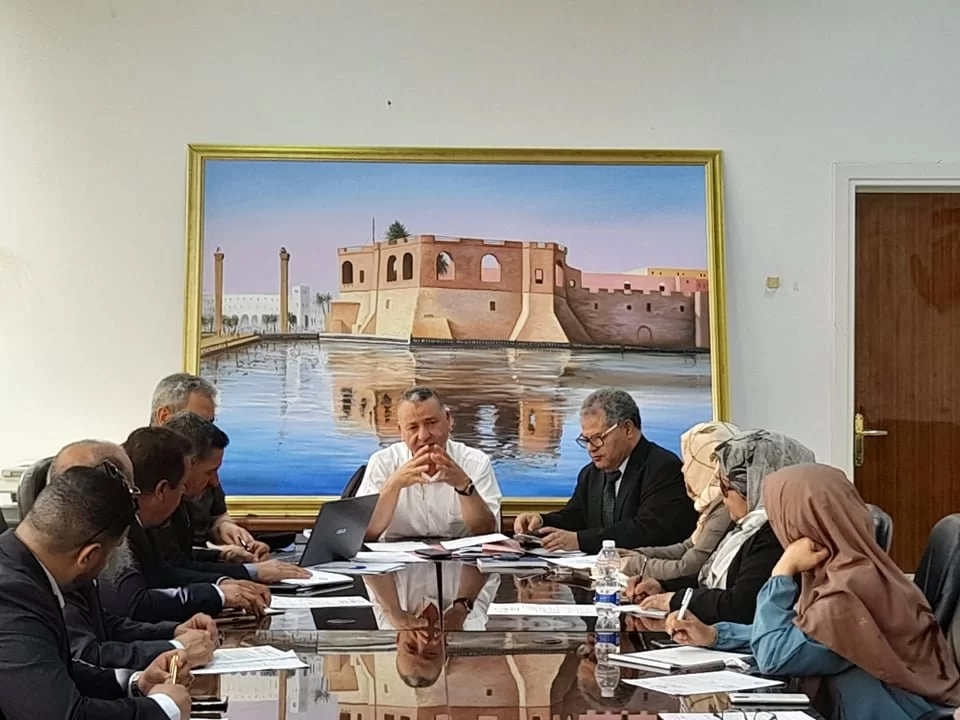
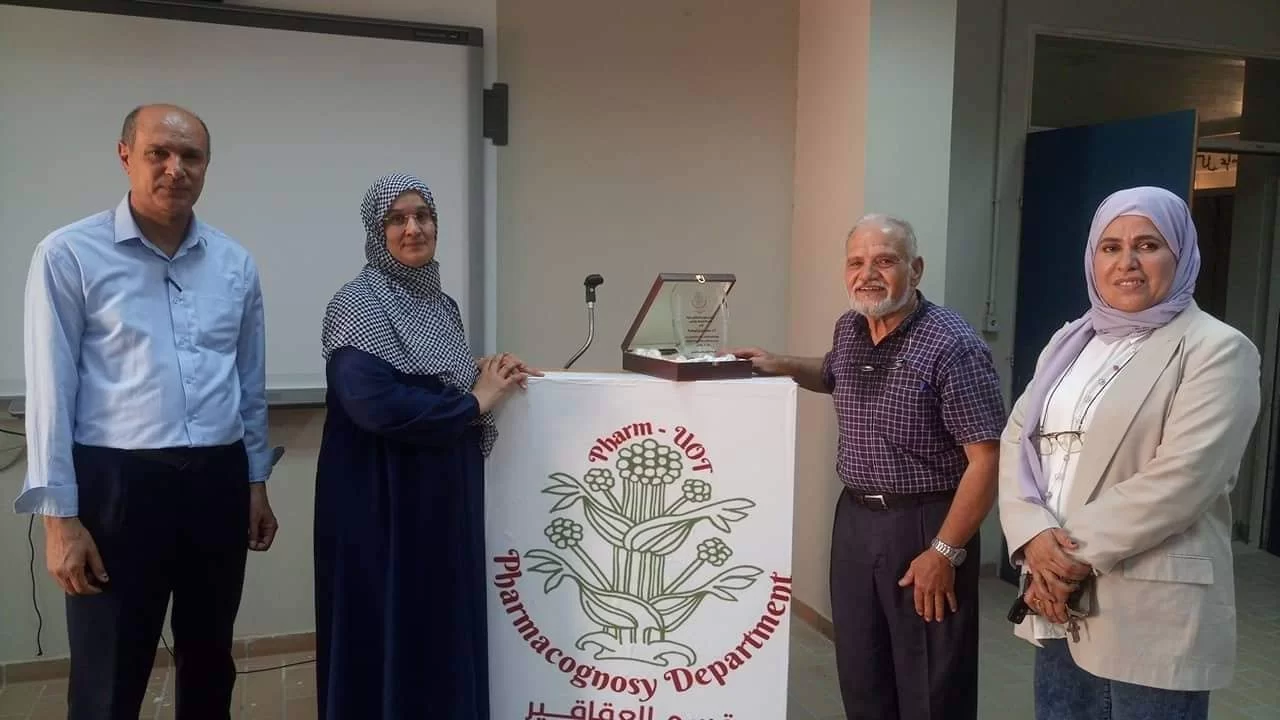
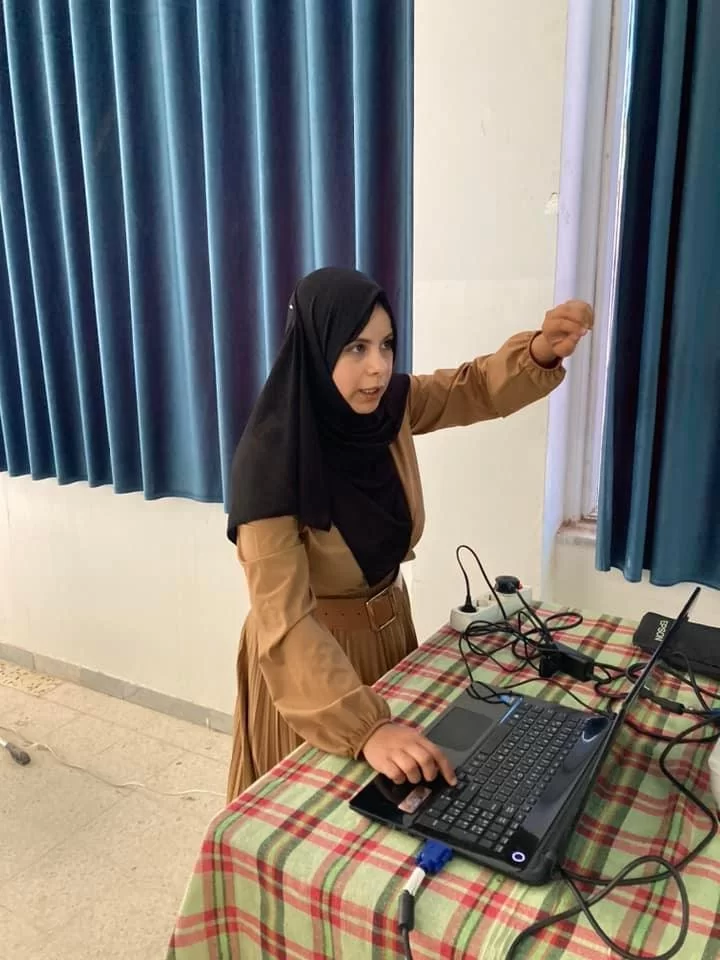
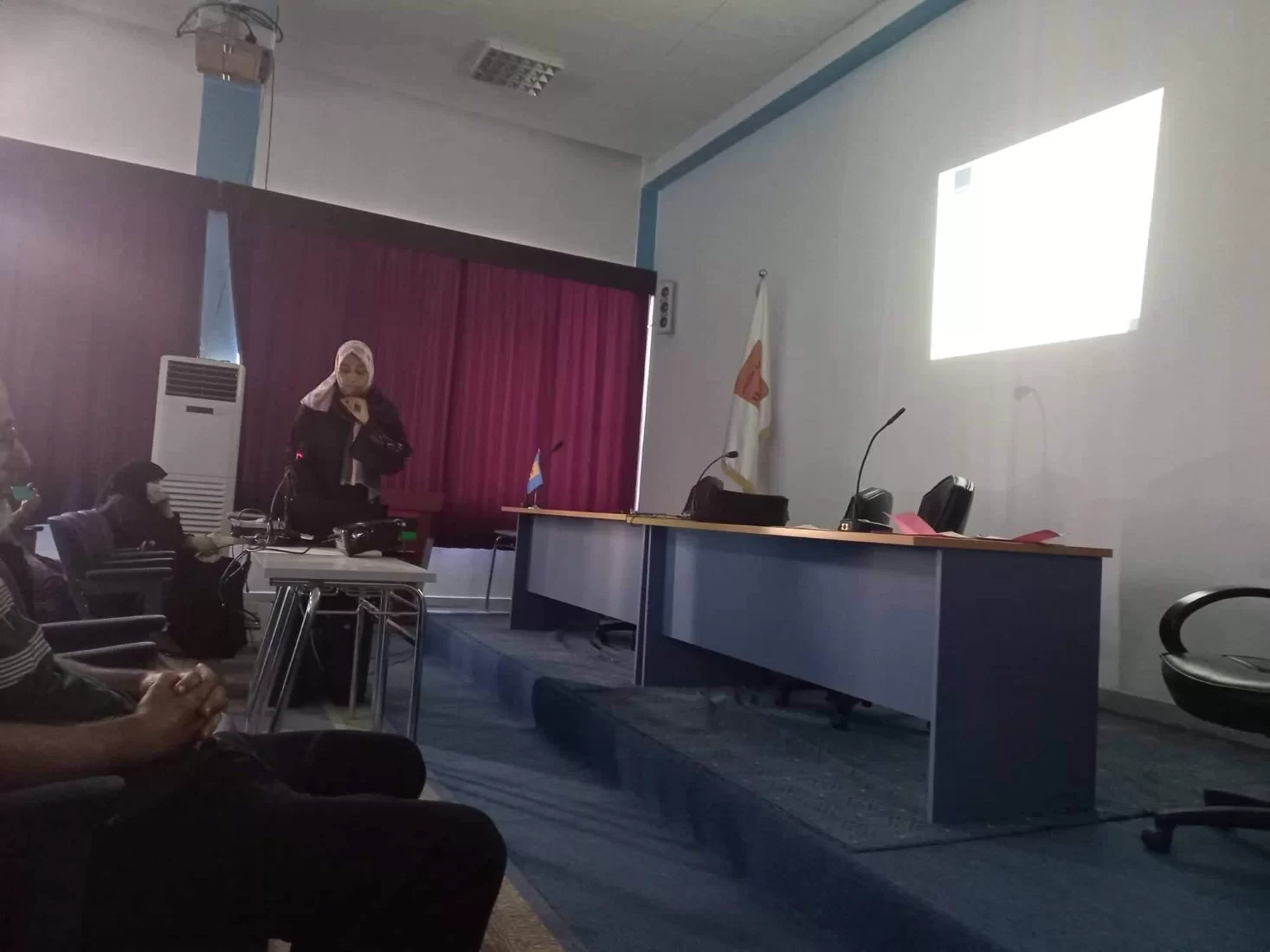
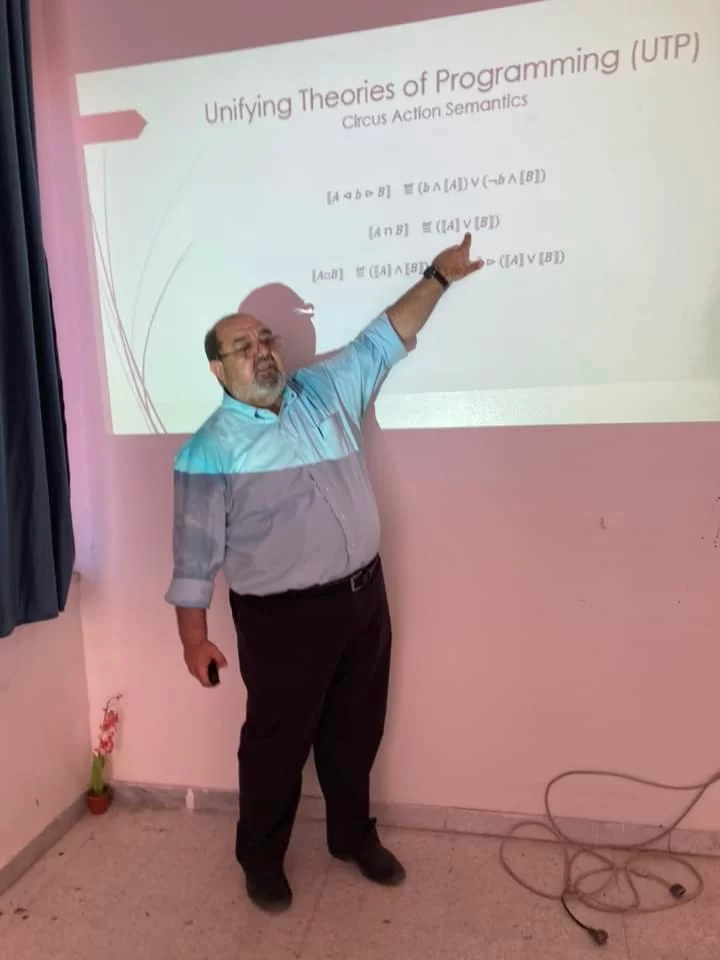
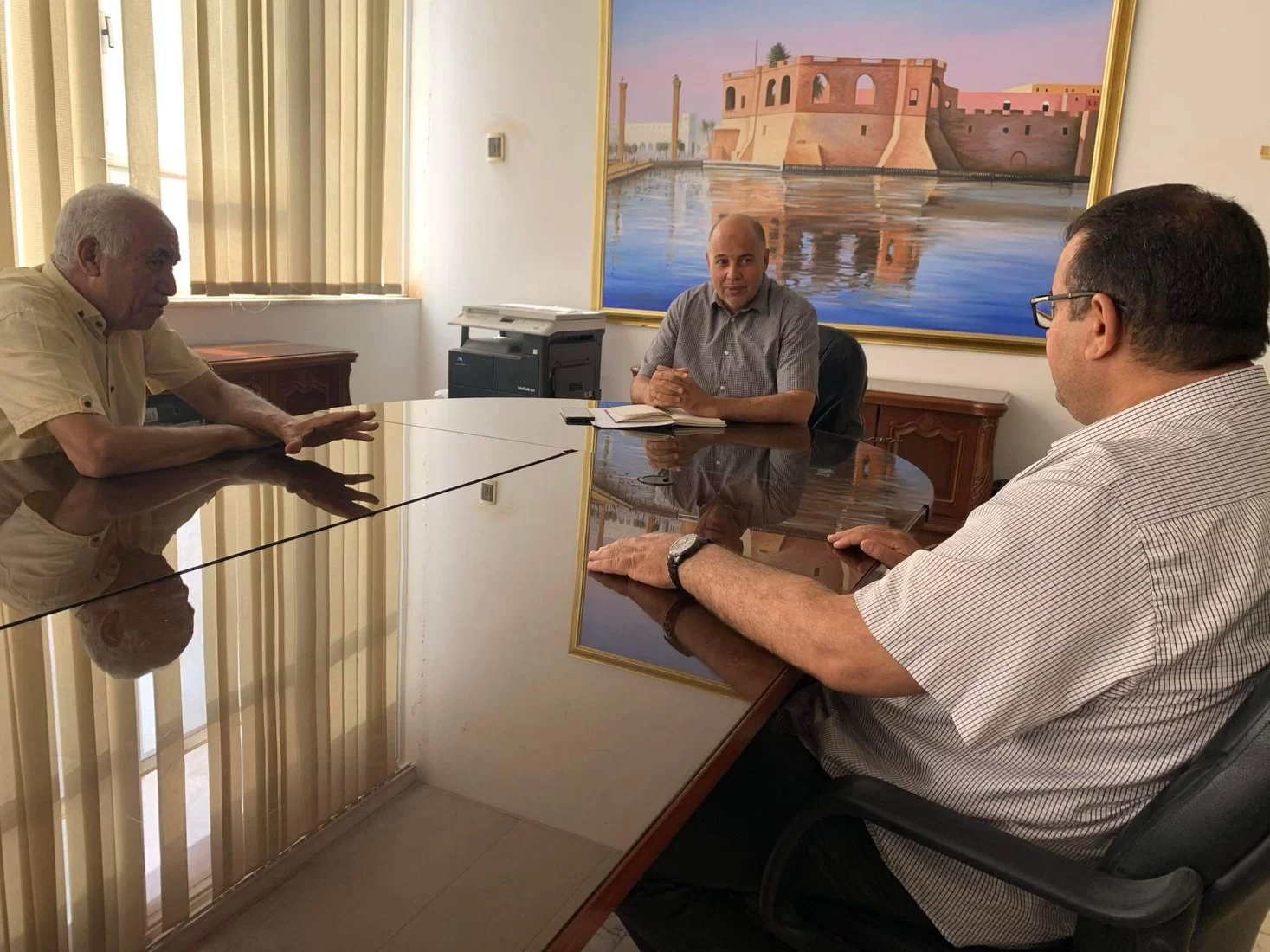
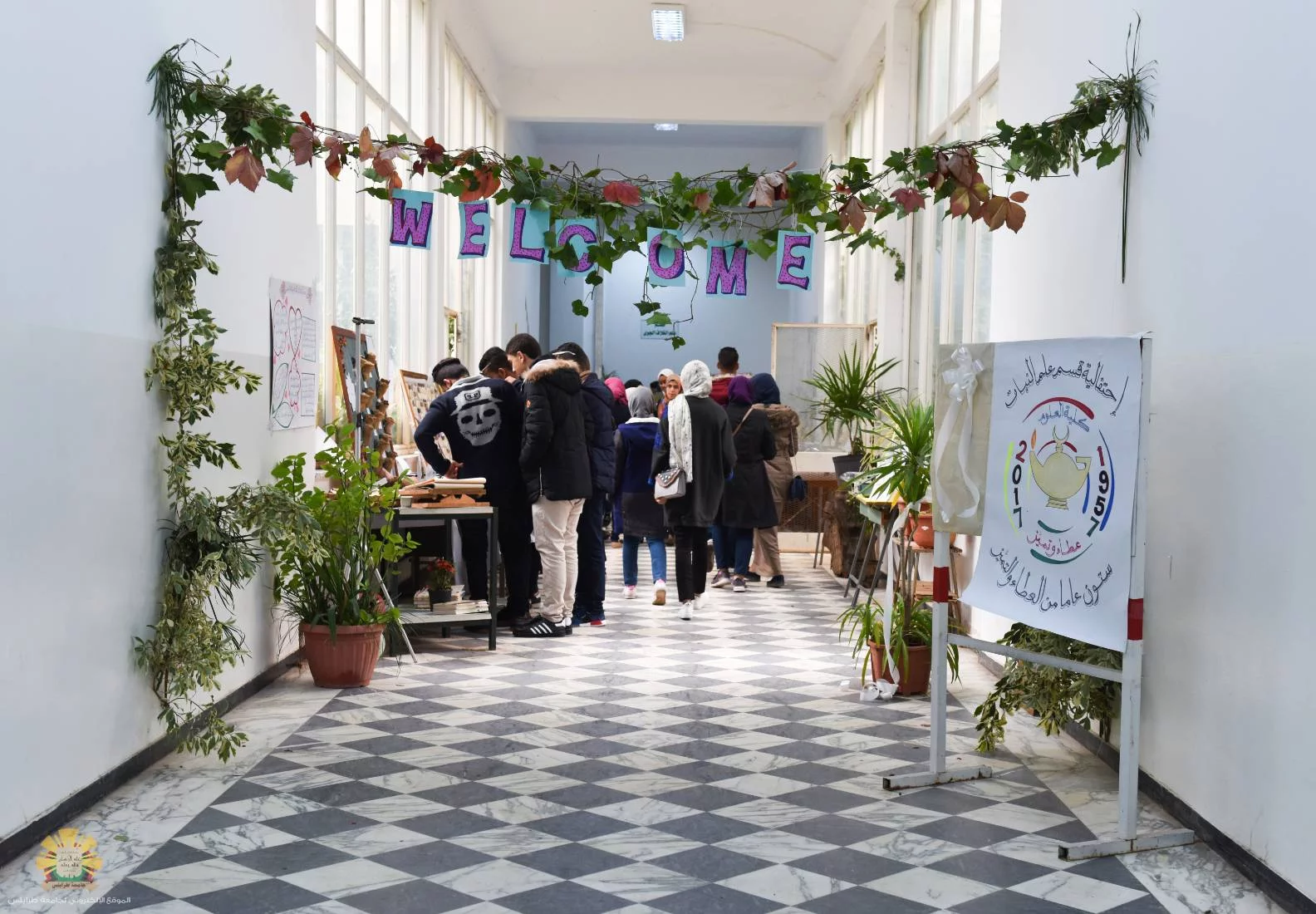
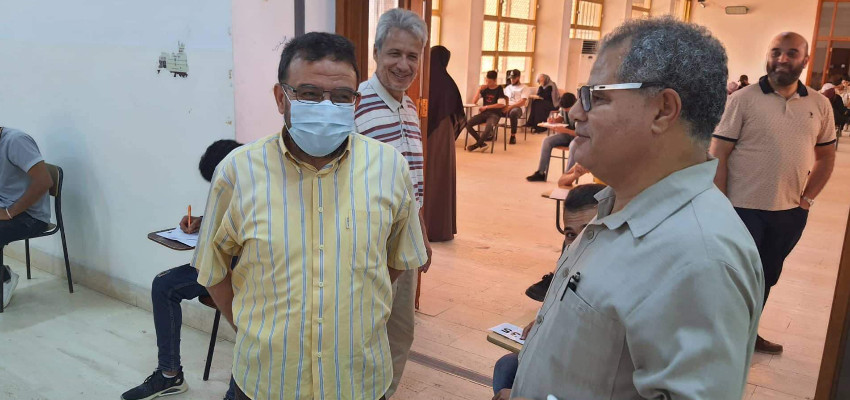
كلية العلوم في صور

الالبومات الخاصة بفعاليات كلية العلوم