

كلية العلوم

المزيد ...

حول كلية العلوم

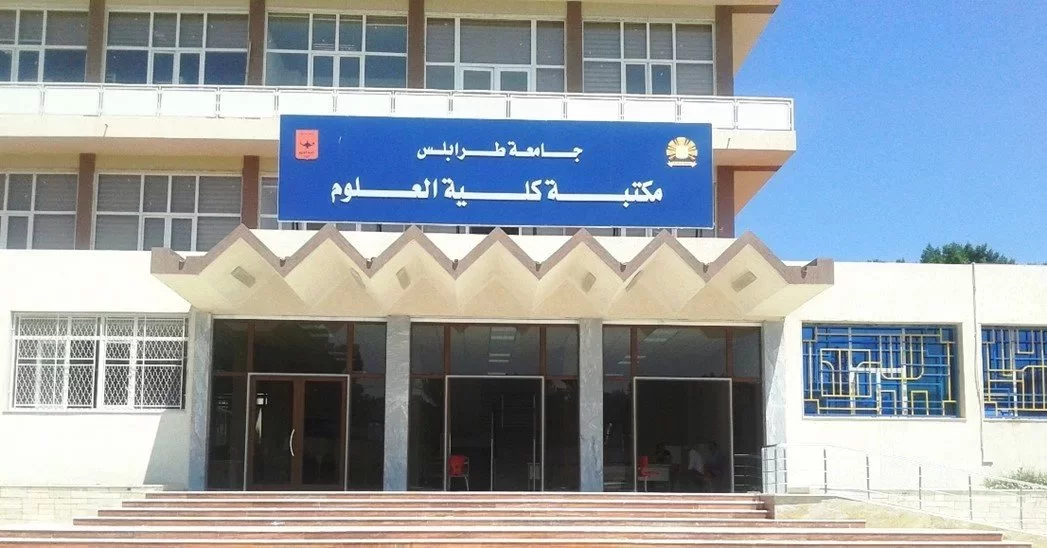
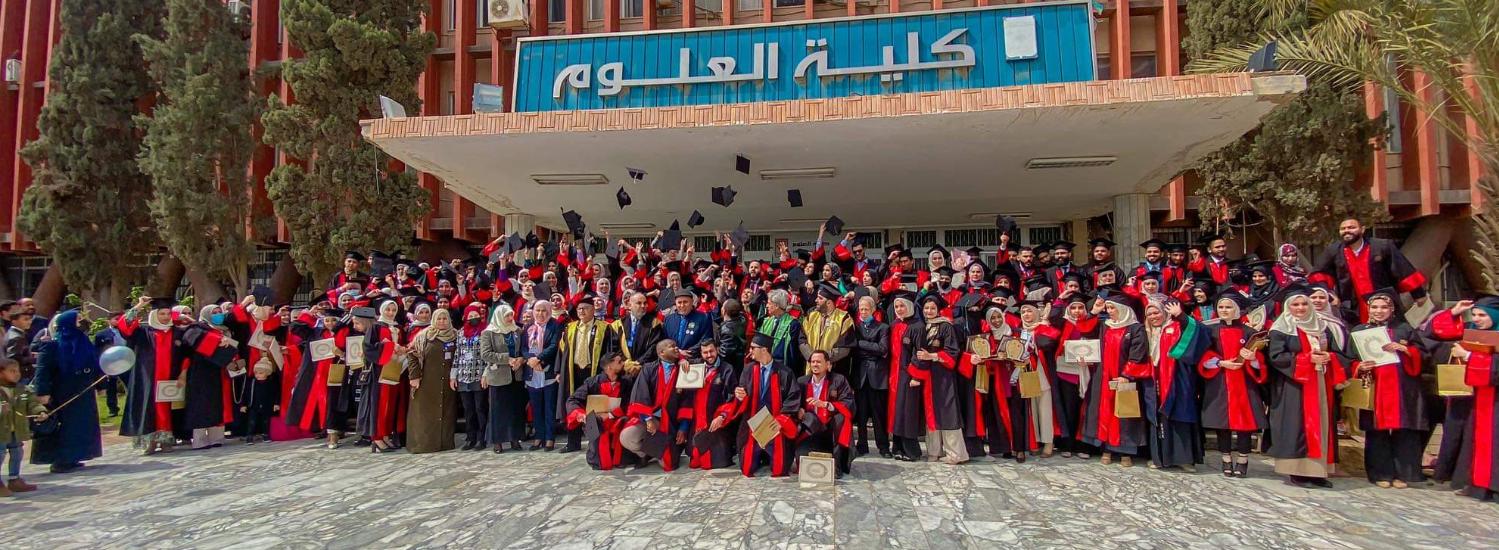
كلية العلوم- جامعة طرابلس هي نواة كليات العلوم ليس فقط في هذه الجامعة العريقة بل في الدولة الليبية . تضم في الوقت الحالي عشرة اقسام علمية ويجري العمل على استحداث قسم جديد Archaeology يختص بدراسة بالجانب العلمي البحثي للتراث التاريخي للشعب الليبي، وهذه الأقسام العلمية هي قسم علم الحيوان وعلم الرياضيات، وعلم الفيزياء، وعلم الكيمياء، وعلم النبات وعلم الجيولوجيا ، وعلم الحاسب الآلي وعلم الإحصاء ، وعلم الغلاف الجوي  وعلم الجيوفيزياء. عمل خريجو هذه الكلية في مختلف القطاعات منها على سبيل المثال وليس الحصر:

  • مجال النفط تنقيبا واستخراجا وتكريراً.
  • مجمعات الصناعات الكيميائية في أبي كماش وراس الانوف وشركات اللدائن إنتاجاً وتصنيعاً، و في مصانع الصابون ومواد التنظيف وغيرها.
  •  مجال التعليم وما يتعلق به من مجالات بحثية في جميع المراحل والمستويات منها التعليم المتوسط والعالي.

 لقد قاد خريجو هذه الكلية المسيرة العلمية لسنوات طويلة ولازالوا يمثّلون اللبنة الأولى في جميع كليات العلوم، وبعض الكليات الأخرى في جميع الجامعات الليبية، التي تأسست في الخمسة عقود الماضية. شمل مجال عمل خريجوها كليات الطب (في مجال العلوم الأساسية ، والكيمياء الحيوية وعلم التشريح والأنسجة والإحياء الدقيقة) وكليات الزراعة في معظم أقسامها والهندسة في المرحلة العامة وقسمي الهندسة الكيميائية والجيولوجية تحديدا، والتقنية الطبية والصيدلة وكلية الاقتصاد والآداب، وذلك من خلال برامج الدراسة الجامعية التي عملت على توفير معيدين للجامعــــــــات الأخــــــــــرى بالدولــــــــة الليبية أو توفير أعضــاء هيئة التدريس من حملة

  • تعتبر كلية العلوم من أوائل الكليات الجامعية التي تبنّت برامج الدراسات العليا بالداخل رغم طبيعة الدراسات العليا في العلوم الأساسية والتي تحتاج إلى إمكانيات تتعدى الأستاذ الكفؤ والذي هو متوفر والحمد لله في هذه المؤسسة، وذلك لان عدد كبير من الأساتذة تخرجوا من جامعات في الغرب والشرق (أمريكا، بريطانيا، أستراليا، معظم الدول الأوروبية) هذه الجامعات مشهود لها بالمستوى الأكاديمي الرفيع.
  • عمل ويعمل خريجوها أيضا في مراكز البحوث الصناعية والنووية والنفط والأحياء البحرية والتقنيات الحيوية واللدائن وغيرها من المراكز البحثية المتخصصة، وذلك بعد حصولهم على الشهادة الجامعية الأولى أو بعد حصولهم على درجات التخصص العالية والدقيقة من الداخل و الخارج .
  • إثراء الحركة العلمية البحثية في مجالات العلوم الاساسية بالدولة الليبية من خلال اصدار مجلة العلوم الاساسية المحكمة.

حقائق حول كلية العلوم

نفتخر بما نقدمه للمجتمع والعالم

170

المنشورات العلمية

267

هيئة التدريس

1831

الطلبة

686

الخريجون

البرامج الدراسية

الإجازة التخصصية (بكالوريوس)
تخصص الاحصاء

يشتمل برنامج الدراسة بالقسم على خمسة وعشرون مقرراً في الإحصاء (25) ممثلة بأربعة وثمانون...

التفاصيل

الإجازة التخصصية (بكالوريوس)
تخصص الفيزياء

يقدم قسم الفيزياء برنامج دراسي للحصول على درجة الإجازة الجامعية الأولى (البكالوريوس)...

التفاصيل
من يعمل بـكلية العلوم

يوجد بـكلية العلوم أكثر من 267 عضو هيئة تدريس

staff photo

د. دلندة محمد علي ناصف

دلندة ناصف هي احد اعضاء هيئة التدريس بقسم الفيزياء بكلية العلوم. تعمل السيدة دلندة ناصف بجامعة طرابلس كـمحاضر منذ 2008-09-02 ولها العديد من المنشورات العلمية في مجال تخصصها

منشورات مختارة

بعض المنشورات التي تم نشرها في كلية العلوم

Structural Evolution of 146–158 Nd Isotopes Using IBM-2 Hamiltonian

: Neodymium isotopes (Z=60) lie in the traditional rotational to transitional-spherical region that occurs at the range of deformed nuclei. The identity of 146−158 Neodymium nuclei have been determined in framework of Interacting Boson Model-2, a simulation program with NPBOS has been used to obtain the theoretical energy levels for Neodymium isotopes. The parameters of the best fit to the measured data are determined. The energy positive parity bands of those isotopes were calculated using (IBM-2) and then it compared with the experimental values. The mentioned isotopes ratios (E(4_1^+))/(E(2_1^+)) have calculated and also E-GOS curves (( E_γ)/I) have drawn as a function of the spin I, to classify symmetry of the nuclei. The electromagnetic transition probabilities B(E2) of these nuclei was calculated as well, where a good agreement for low lying energy states were obtained between experimental results and theoretical calculations. The results have been shown that the interested nuclei 152-158Nd have rotational characters SU (3), and O (6) symmetry is substantiated for 146-148Nd, as well as the critical point X (5) has been determined for 150Nd isotope.
D. Nasef, Najat S. Eshaftri, Ayad E. Ezwam, Suad M. Bogrin, Asma A. Elbendag, Sadiq M. El-kadi(12-2021)
Publisher's website

حزم التشفير: دراسة مقارنة وفقًا للمتطلبات الأمنية

إن حماية البيانات أصبحت حاجة ملحة بسبب انتشار استخدام تقنية الحاسبات والانترنت، لأداء الكثير من الأعمال التي يكون بعضها حرج أمنيا، وهذا أدى إلى ضرورة وضع آليات أمن للمعلومات لتخدم أنواع الأعمال المختلفة حسب مستوى الأمن الذي تتطلبه، إن احد الآليات المستخدمة لتحقيق امن النظم التي تعتمد على الحاسوب هو تشفير البيانات. وفي هذا البحث تم تصنيف الأنواع المختلفة لمخططات التشفير حسب خدمة الأمن التي توفرها، ثم تقييم خوارزميات التشفير القياسية وفق خدمة الأمن التي توفرها، وتم التقييم استنادا على بارامترات الأمن لكل نوع من أنواع التشفير (التشفير بالمفتاح السري، التشفير بالمفتاح العام، دوال الهرس) ويخلص تقييم كل نوع من أنواع التشفير الثلاثة إلى نموذج إرشادي لتحديد أي الخوارزميات الأكثر ملائمة لتحقيق خدمة الأمن التي يوفرها (حيث يحقق تشفير البيانات خدمات الأمن: السرية، التحقق، السلامة). كما تم مقارنة نتائج كل نموذج إرشادي خلص إليه تقييم خوارزميات التشفير، وفقا للمتطلب الأمني الذي يحققه، مع بروتوكولات التشفير القياسية المستخدمة ضمن طبقات بروتوكول السيطرة على الإرسال والانترنت القياسي. Abstract The data protection has become a pressing need because of the widespread use of the computers technology and the Internet to perform numerous business requirements that have some critical security. However, this led to the need to develop mechanisms for the security of information to serve the different types of businesses depending on the level of security required. One of the mechanisms used to achieve the security of the systems that rely on computers is the encryption of data.In this research, the different types of encryption schemes have been classified based on the security service they provide, followed by the evaluation of the standard encryption algorithms according to the security services they also provide. The evaluation is carried out based on the security parameters for each type of encryption namely the Secret Key Encryption, the Public Key Encryption, and the Hash Functions. Resulting in, for each of these types of encryption, a pilot model is produced to determine which algorithm provides the most appropriate security services (i.e data encryption provides the security services: secrecy, authentication, integrity).The results of each pilot model that are resulted in the evaluation of the encryption algorithms have been compared according to the required security level that each model achieves, this task is accomplished together with the standard encryption protocols used within the layers of the standard Transmission Control Protocol/Internet Protocol (TCP/IP). Keywords: Network Security, Cryptography, Secret-Key Cryptography, Public-Key Cryptography, Hash Functions Cryptography, Confidentiality, Integrity, Authentication.
آمنة على عبد السلام محمد (2011)
Publisher's website

Petrography and Diagenesis of `as Sarir Formation` in Abu Attifel Oil Field, Sirt Basin, Libya

Abstract The Sirt Basin is one of the youngest sedimentary basins in Libya and covers an area of approximately 600.000 km² in north central Libya. It is located on the northern margin of the African plate, with approximate coordinates 14°00`- 20°00`E and 28°00`-31°00`N. The Late Jurassic-Early Cretaceous as Sarir Sandstone in the Sirt Basin evolved as a consequence of the interplay between global eustasy and regional tectonics. As Sarir Sandstone of the eastern Sirt Basin is composed mainly of sandstones and shales resting unconformably on a basement complex of igneous and metamorphic rocks. It is unconformably overlain by the Upper Cretaceous sediments of Maragh, Lidam and Etel formations. It has been subdivided into three members. The upper member consists mainly of sandstones with intercalations of siltstones and shales of variable thickness. The middle member consists of shale and silty shale. The basal part of the formation, which rests directly on the crystalline basement represents the lower member. It is comprised of sandstone with subordinate intercalations of siltstones and shale. Two main facies have been recognized on the basis of lithological features and types of stratifications: which consist mainly of shale and intercalation of silt and sand. The Middle Shale Member consists mainly of shallow lake deposits, containing black shale facies. Continental Fluvial Deposits represent most of the cored interval and it belongs to the Upper as Sarir Sandstone. These facies have been subdivided into braided and meandering lithofacies: The braided depositional system, has been recognized in three different intervals of the studied cores; classified as subfacies (1), subfacies (2) and subfacies (3). The meandering depositional system, represents three sub-environments including point bars, abandoned channels and over-bank deposits. The reservoir characteristics of these sediments are studied on the basis of porosity, permeability and reservoir zonation. The reservoir quality of As Sarir Formation is largely controlled by primary sedimentary features associations, which were shaped by the depositional environments. Meandering Lithofacies are formed from continuous sand successions and show good porosities, up to 18.51%, and permeabilities up to 125.5mD. The Braided Lithofacies also show good reservoir quality, but the effective porosity and permeability are lower, because of associated shales. The most important diagenetic features responsible for a reduction in reservoir quality are those resulting from compaction, cementation, and the diagenesis of clay minerals.
صلاح الدين محمد الوحيشي (2014)
Publisher's website

كلية العلوم في صور

الالبومات الخاصة بفعاليات كلية العلوم