
كلية العلوم

المزيد ...

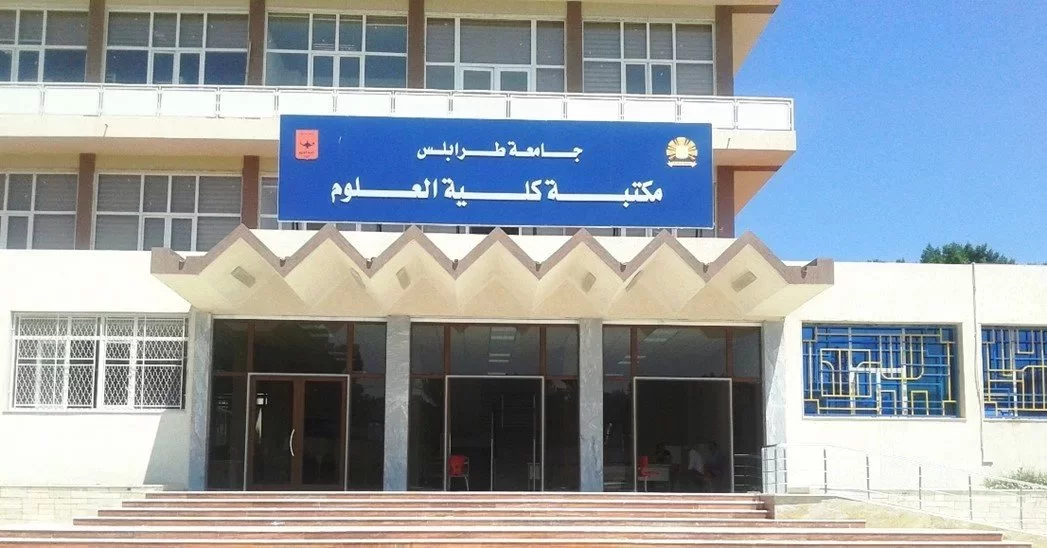
حول كلية العلوم

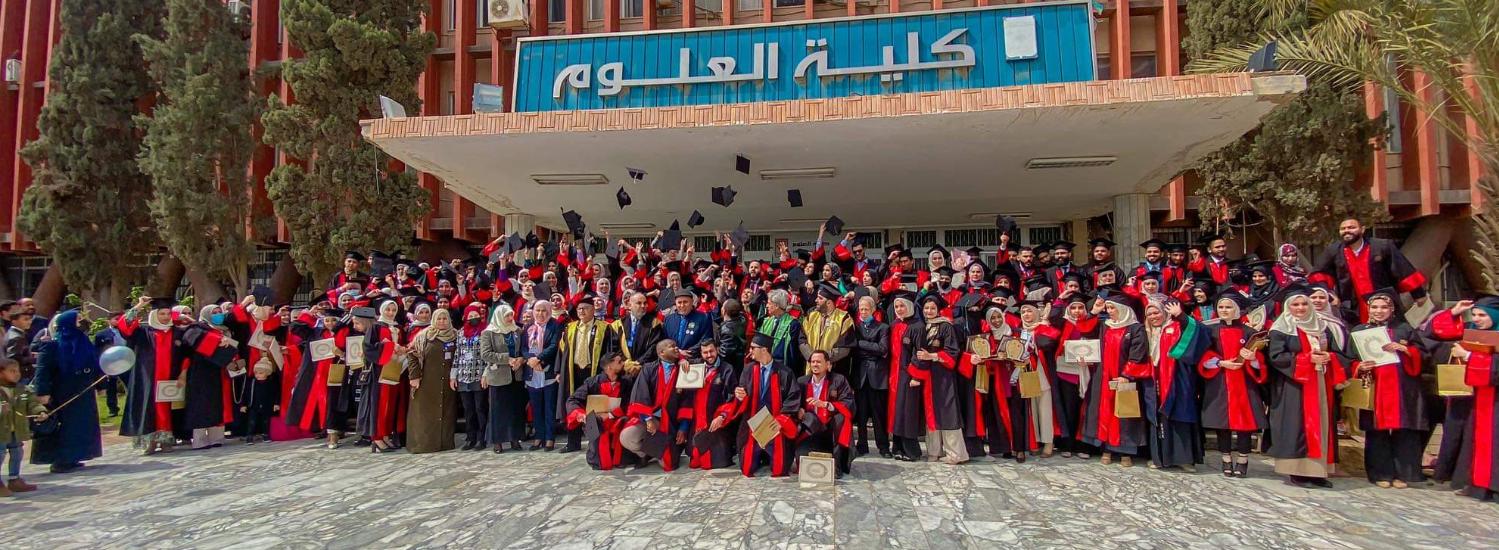
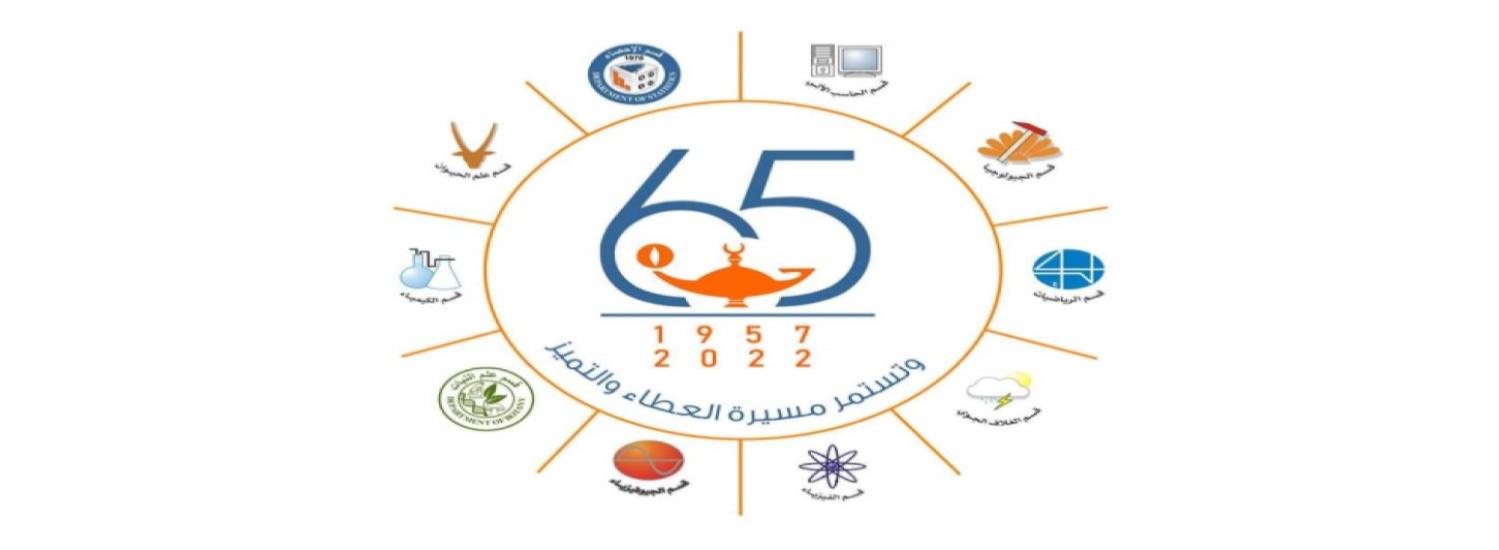
كلية العلوم- جامعة طرابلس هي نواة كليات العلوم ليس فقط في هذه الجامعة العريقة بل في الدولة الليبية . تضم في الوقت الحالي عشرة اقسام علمية ويجري العمل على استحداث قسم جديد Archaeology يختص بدراسة بالجانب العلمي البحثي للتراث التاريخي للشعب الليبي، وهذه الأقسام العلمية هي قسم علم الحيوان وعلم الرياضيات، وعلم الفيزياء، وعلم الكيمياء، وعلم النبات وعلم الجيولوجيا ، وعلم الحاسب الآلي وعلم الإحصاء ، وعلم الغلاف الجوي  وعلم الجيوفيزياء. عمل خريجو هذه الكلية في مختلف القطاعات منها على سبيل المثال وليس الحصر:

  • مجال النفط تنقيبا واستخراجا وتكريراً.
  • مجمعات الصناعات الكيميائية في أبي كماش وراس الانوف وشركات اللدائن إنتاجاً وتصنيعاً، و في مصانع الصابون ومواد التنظيف وغيرها.
  •  مجال التعليم وما يتعلق به من مجالات بحثية في جميع المراحل والمستويات منها التعليم المتوسط والعالي.

 لقد قاد خريجو هذه الكلية المسيرة العلمية لسنوات طويلة ولازالوا يمثّلون اللبنة الأولى في جميع كليات العلوم، وبعض الكليات الأخرى في جميع الجامعات الليبية، التي تأسست في الخمسة عقود الماضية. شمل مجال عمل خريجوها كليات الطب (في مجال العلوم الأساسية ، والكيمياء الحيوية وعلم التشريح والأنسجة والإحياء الدقيقة) وكليات الزراعة في معظم أقسامها والهندسة في المرحلة العامة وقسمي الهندسة الكيميائية والجيولوجية تحديدا، والتقنية الطبية والصيدلة وكلية الاقتصاد والآداب، وذلك من خلال برامج الدراسة الجامعية التي عملت على توفير معيدين للجامعــــــــات الأخــــــــــرى بالدولــــــــة الليبية أو توفير أعضــاء هيئة التدريس من حملة

  • تعتبر كلية العلوم من أوائل الكليات الجامعية التي تبنّت برامج الدراسات العليا بالداخل رغم طبيعة الدراسات العليا في العلوم الأساسية والتي تحتاج إلى إمكانيات تتعدى الأستاذ الكفؤ والذي هو متوفر والحمد لله في هذه المؤسسة، وذلك لان عدد كبير من الأساتذة تخرجوا من جامعات في الغرب والشرق (أمريكا، بريطانيا، أستراليا، معظم الدول الأوروبية) هذه الجامعات مشهود لها بالمستوى الأكاديمي الرفيع.
  • عمل ويعمل خريجوها أيضا في مراكز البحوث الصناعية والنووية والنفط والأحياء البحرية والتقنيات الحيوية واللدائن وغيرها من المراكز البحثية المتخصصة، وذلك بعد حصولهم على الشهادة الجامعية الأولى أو بعد حصولهم على درجات التخصص العالية والدقيقة من الداخل و الخارج .
  • إثراء الحركة العلمية البحثية في مجالات العلوم الاساسية بالدولة الليبية من خلال اصدار مجلة العلوم الاساسية المحكمة.

حقائق حول كلية العلوم

نفتخر بما نقدمه للمجتمع والعالم

170

المنشورات العلمية

267

هيئة التدريس

1831

الطلبة

686

الخريجون

البرامج الدراسية

الإجازة التخصصية (بكالوريوس)
تخصص الاحصاء

يشتمل برنامج الدراسة بالقسم على خمسة وعشرون مقرراً في الإحصاء (25) ممثلة بأربعة وثمانون...

التفاصيل

من يعمل بـكلية العلوم

يوجد بـكلية العلوم أكثر من 267 عضو هيئة تدريس

staff photo

أ.د. طارق البشير محمد الجديدي

طارق الجديدي هو احد اعضاء هيئة التدريس بقسم علم الحيوان بكلية العلوم. يعمل السيد طارق الجديدي بجامعة طرابلس كـأستاذ منذ 2020-02-22وله العديد من المنشورات العلمية في مجال تخصصه

منشورات مختارة

بعض المنشورات التي تم نشرها في كلية العلوم

Fault Tolerance Capabilities In C Language A Case Analysis

هذا البحث يقدم نماذج العيب للبرمجة بلغة السي أثناء تنفيد البرامج، نماذج العيب تزود تحليل للعيب/ الفشل موضحاً كيف يمكن للعيب في البرمجة بلغة السي أن يسبب تغيير حالة البيانات في البرنامج لتصبح حاطئة، وكيف أن تلك البيانات الخاطئة يمكن أن تستمر إلى الحالة النهائية للبرنامج، وبذلك يظهر الفشل Failure. نماذج العيب أيضاً تتضمن دليل لأنواع العيوب التي يعتقد أنها تمثل العيوب التي من المحتمل أن تكون مقدمة في البرامج من قبل مبرمجين يكتبون برامج لغة السي. كل نوع من هذه العيوب يكون موصوفاً في شروط حسب العيب الذي يظهر في محتوى برنامج لغة السي الأصلي وكذلك كيف يمكن أن يسبب التأثير في حالة البرنامج. أنواع العيوب تكون محددة من التحليل الدقيق لقواعد اللغة syntaxes ومعانيها semantics للبرامج المكتوبة بلغة السي. نماذج العيب يمكن أن تساعد المختبرين والمبرمجين لتحديد الأماكن في البرنامج التي غالباً ما تظهر فيها العيوب، نماذج العيب يمكن أن تكون أساساً جيداً لتصنيف العيب وإختبار التغيير وتفتيش البرنامج وتقييم إستراتيجيات الإختبار للبرامج المكتوبة بلغة السي. أمثلة معطاة لتبين النماذج الملائمة لهذه الأغراض. Abstract This thesis presents a fault models for C programming (Turbo C, version 3.0) in run-time of programs. The fault models provide a fault/failure analysis of how a fault in C programming can cause a data state change in the program to become corrupted, and how that erroneous data can propagate to the final state of the program, thereby manifesting a failure. The fault models also include a catalog of fault types that are believed to represent faults likely to be introduced in programs by programmers writing C code. Each type of fault is described in terms of how it appears syntactically in source code as well as in how it can cause an infection of program state. The fault types are identified from a careful analysis of the syntaxes and the semantics of C programs. The fault models can help testers and programmers identify places in a program where faults are most likely to appear, and identify what kinds of faults to look out for when using certain feature in C language. The fault models is claimed to be a good foundation for fault seeding, mutation testing, program inspections, and evaluation of testing strategies for C programs. Examples are given that demonstrate the model’s suitability for these purposes.
وفاء حسين محمود المصباحي (2010)
Publisher's website

Assessment of different Growth Techniques of Strained Germanium Heterostructures for Electronic and spintronic Devices

This paper, emphasis different growth techniques of two-dimensional hole gas of strained germanium (sGe) heterostructure, molecular beam epitaxy (MBE) and chemical vapor deposition (CVD). sGe heterostructure has become an important material as a replacement material to Silicon in P-type devices because of its higher hole mobility and lower effective mass. Researchers study this material in terms of electrical and spintronic devices according to technology demands for devices with higher efficiency and low power consumption. High hole mobility up to 1×10cm/Vs at temperature of 1.5 K has been reported for normal structure declaring high quality samples with low density dislocation and low interface roughness. arabic 14 English 105
Adel Diyaf, A.H. A. Hassan , U. Elfurawi , A. E. Abubkr (6-2019)
Publisher's website

The Basaltic Intrusions of Central Jabal Nefusah Foothills

Abstract The basaltic Intrusions of the Central Jabal Nafūsah Foothills which extend from NW Wādi Zāret to NE Wādi Ghān Dām are part of the latest stage of Gharyān Volcanic Province (GVP). These intrusions are classified on basis of their shape and mechanism of emplacement into four kinds of volcanic bodies. These are; sheets (dykes and a sill), dykes associated with volcaniclasts, volcanic cone and lava mounds. Generally, the dyke emplacements are restricted only to the area between Wādi Zāret to Abū Ghaylān, while the other forms extend from Rās al Mazūl Dome to Wādi Ghān Dam. The more differentiated rocks are restricted to the area between Rās al Mazūl Dome and Wādi Ghān. Farther west towards Wādi Zāret, ultramafic xenoliths and magnesium-number increase, suggesting closer proximity to the source. The rocks are essentially alkaline with within Intraplate signatures. They straddle the composition from picrites, basanites, alkali basalts through hawaiites, mugearite to benmoreites with a compositional gap between the last two types. Generally, the phenocrysts are represented by foresteritic olivine, Cadiopsidic pyroxene, magnesiotaramitic amphibole, plagioclase, K-feldspar and titanomagnetite. The chemical composition of the mafic minerals indicates that they are high pressure phenocryst phases. The most primitive picrites satisfied the criteria of primary mantle melts. The rocks are generally, enriched in LILE suggesting an enriched mantle source. The studied rocks were grouped into five groups based on incompatible trace element ratios; Group-A includes picrite, basanites and hawaiites, and Group-B includes picrite (Z-3), basanites , alkali basalts, and hawaiites, while Group-C is formed of hawaiites, Group-D is composed of mugearite and Group-E is made up of benmoreites. Picrites and basanites of these rock have high Mg-number (>0.64), high Cr and Ni contents and strong light rare earth element enrichment, but systematic depletion in Rb, K and Ba relative to trace elements of similar compatibility in anhydrous mantle. Alkali basalts and more differentiated magmatic rocks have lower Mg-number and lower abundances of Ni and Cr, and have undergone fractionation of mainly olivine, clinopyroxene, Fe–Ti oxide, amphibole and plagioclase. The variation in the concentrations of major, trace, rare earth elements, and incompatible element ratios in the rock samples demonstrate the heterogeneous character of their source region. Such heterogeneity can be interpreted by the involvement of a heterogeneous mantle reservoir to different degrees of partial melting. The REE data require residual spinel stability peridotite field in the source and constrain the melting process of Group-C and Group-D to 2% to 3.5% degrees of melting respectively, Group-A and Group-B both to 5% degree of partial melting while Group-E to 10% degree of partial melting of spinel lherzolite xenoliths of Al Ourban area. Mass balance modelling of the major suggests two possible FC scenarios; Derivation of basanites and hawaiites of group-A from G-3 picritic parental magma. Derivation of Group-D and Group-E was also possible from these basanites. Derivation of basanites of Group-B from Z-3 picrite parental magma and simultaneous derivation of G-4 and QJ-1 alkali basalts from Z-3 picrite parental magma. V Simple mass-balance calculations suggest that the melting assemblages of picrites and basanites consisted of forsteritic olivine, diopsidic clinopyroxene, Ti-magnetite. While the alkali basalts and more differentiated magmatic rocks, mass-balance calculations suggest that the melting assemblages consisted of sodic plagioclase, magnesiotaramitic amphibole, diopsidic pyroxene, Ti-magnetite, K-feldspar with sub amounts of apatite and sphene.
سمية عون (2015)
Publisher's website

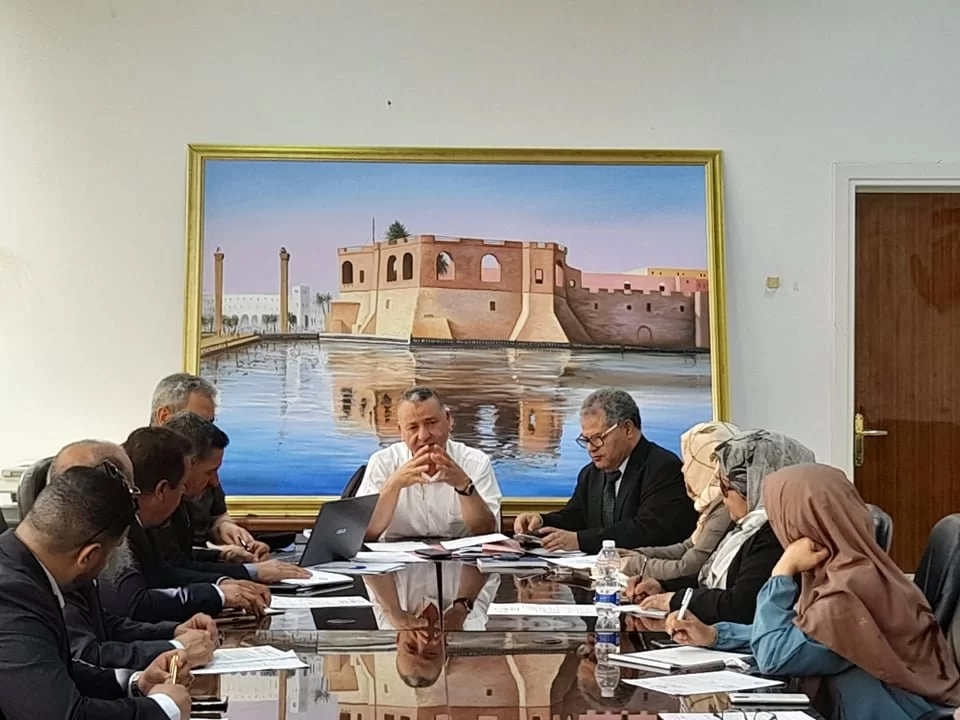
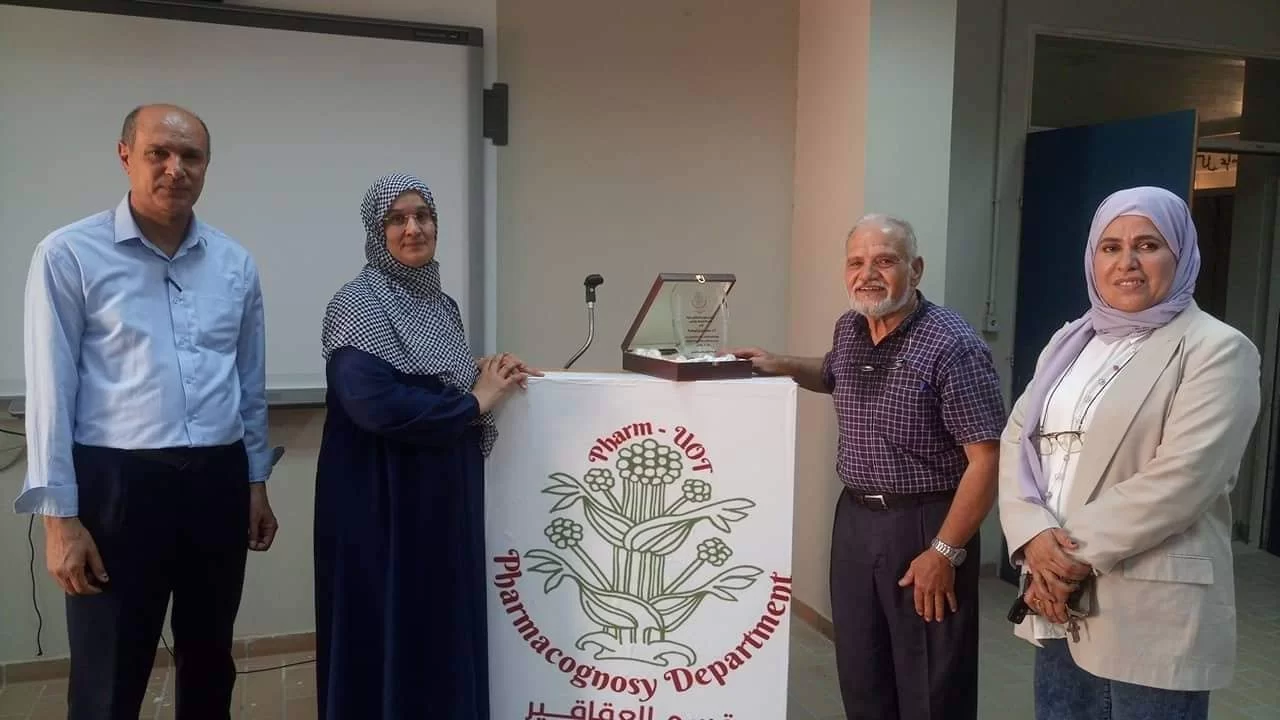
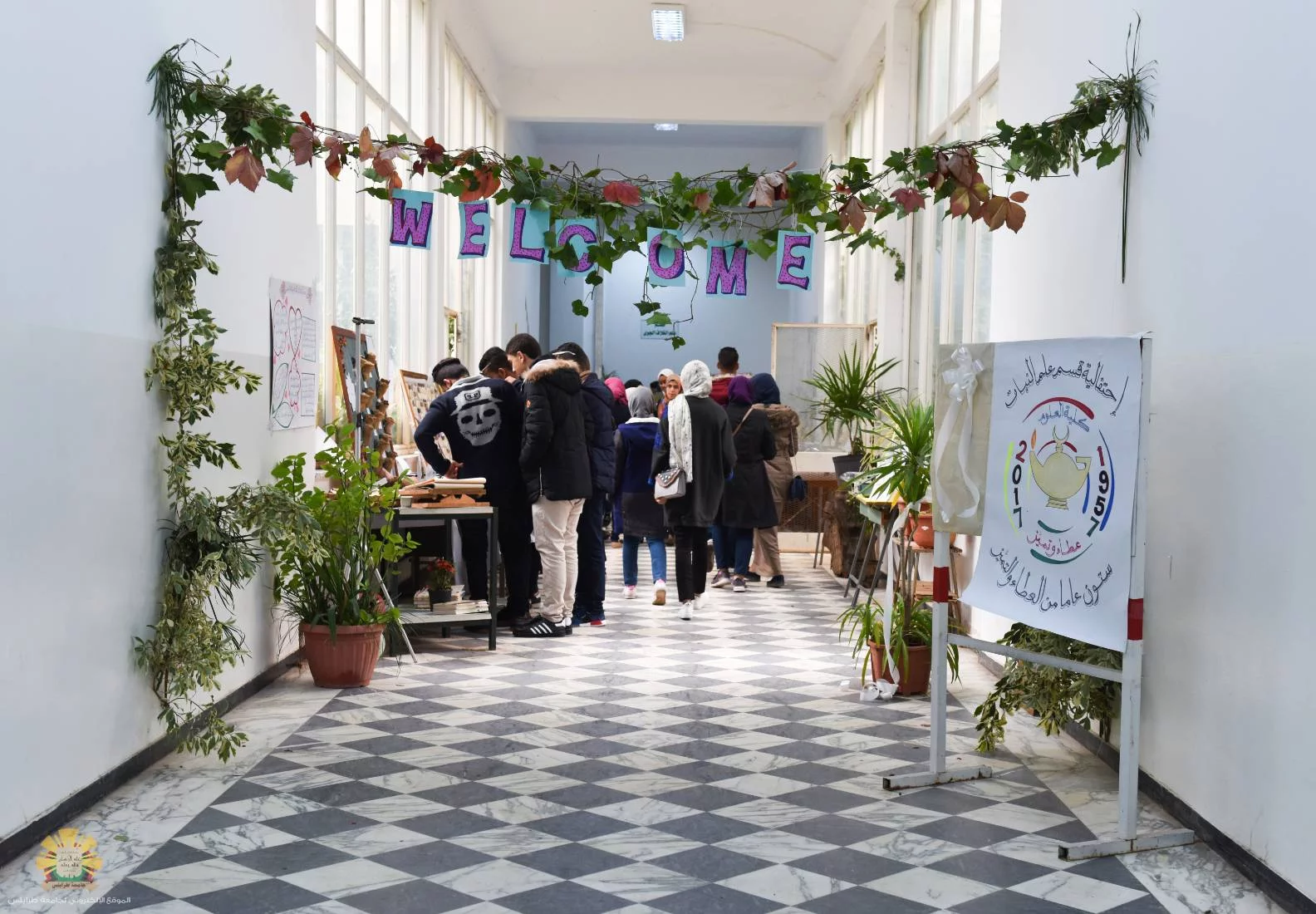
كلية العلوم في صور

الالبومات الخاصة بفعاليات كلية العلوم