
كلية العلوم

المزيد ...

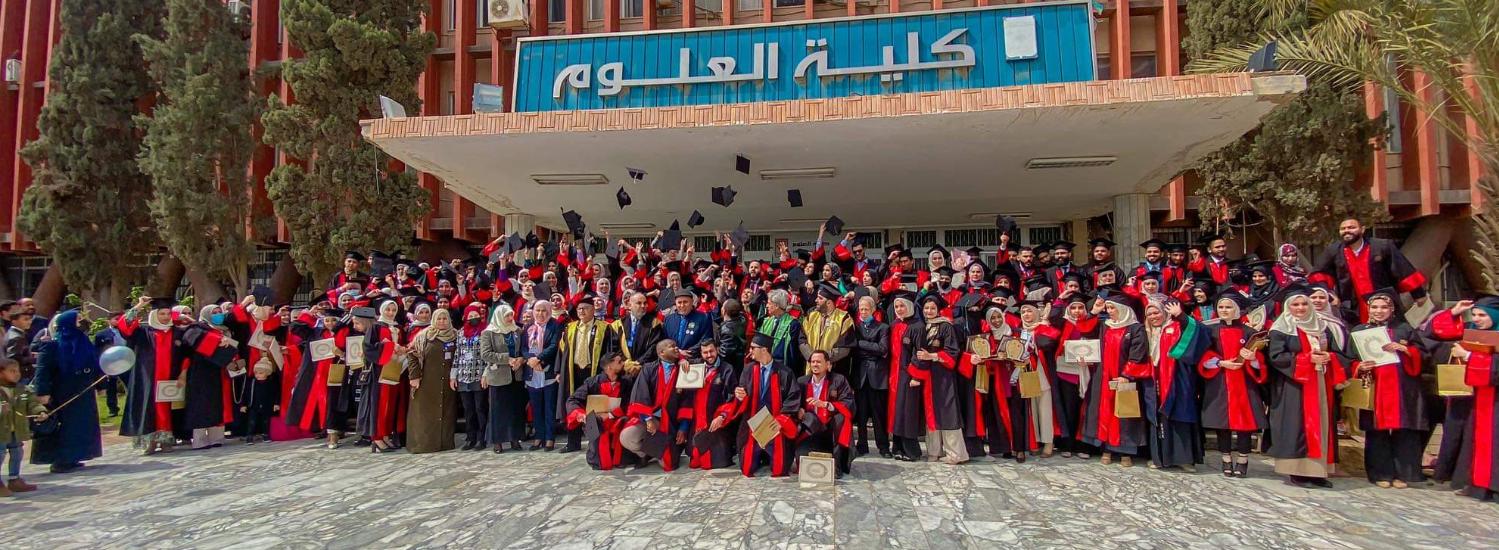
حول كلية العلوم

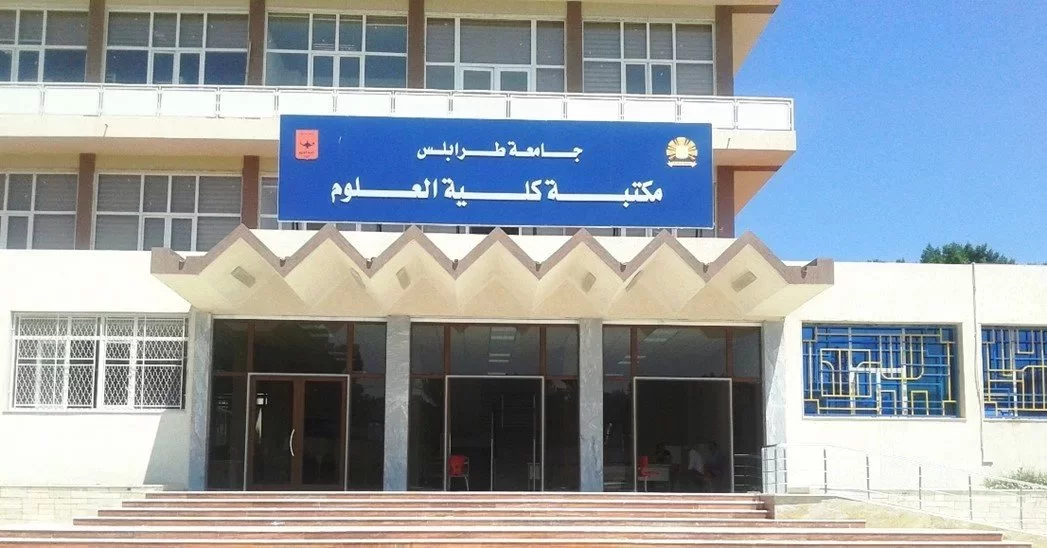
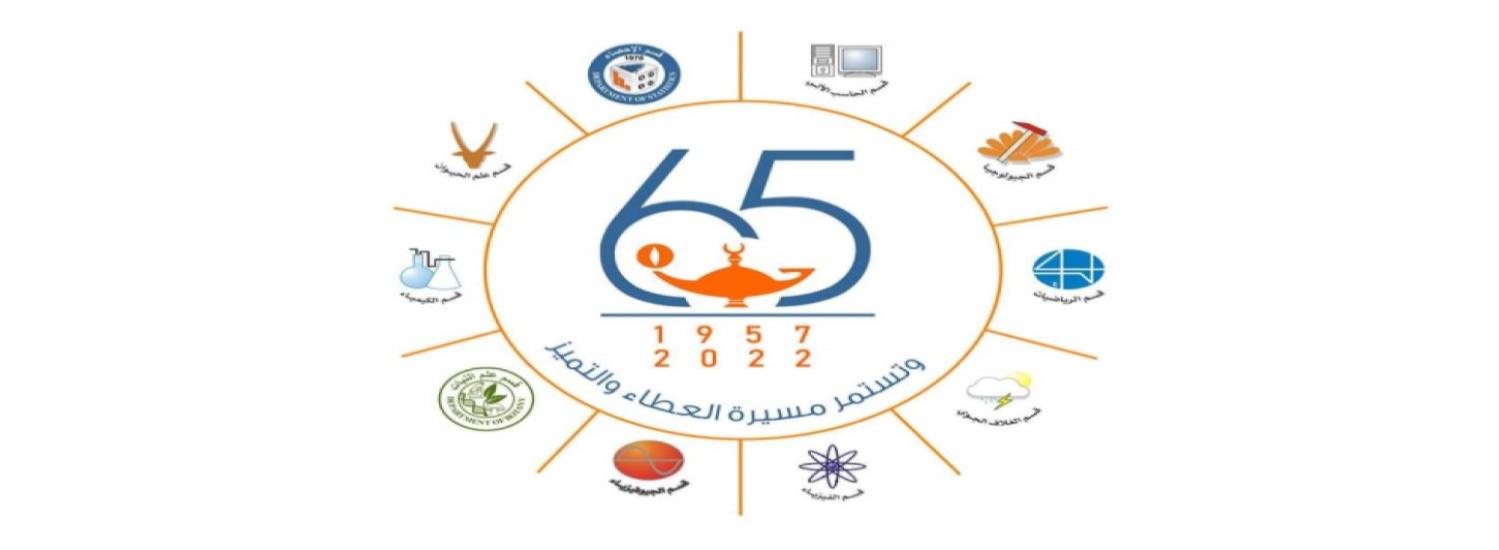
كلية العلوم- جامعة طرابلس هي نواة كليات العلوم ليس فقط في هذه الجامعة العريقة بل في الدولة الليبية . تضم في الوقت الحالي عشرة اقسام علمية ويجري العمل على استحداث قسم جديد Archaeology يختص بدراسة بالجانب العلمي البحثي للتراث التاريخي للشعب الليبي، وهذه الأقسام العلمية هي قسم علم الحيوان وعلم الرياضيات، وعلم الفيزياء، وعلم الكيمياء، وعلم النبات وعلم الجيولوجيا ، وعلم الحاسب الآلي وعلم الإحصاء ، وعلم الغلاف الجوي  وعلم الجيوفيزياء. عمل خريجو هذه الكلية في مختلف القطاعات منها على سبيل المثال وليس الحصر:

  • مجال النفط تنقيبا واستخراجا وتكريراً.
  • مجمعات الصناعات الكيميائية في أبي كماش وراس الانوف وشركات اللدائن إنتاجاً وتصنيعاً، و في مصانع الصابون ومواد التنظيف وغيرها.
  •  مجال التعليم وما يتعلق به من مجالات بحثية في جميع المراحل والمستويات منها التعليم المتوسط والعالي.

 لقد قاد خريجو هذه الكلية المسيرة العلمية لسنوات طويلة ولازالوا يمثّلون اللبنة الأولى في جميع كليات العلوم، وبعض الكليات الأخرى في جميع الجامعات الليبية، التي تأسست في الخمسة عقود الماضية. شمل مجال عمل خريجوها كليات الطب (في مجال العلوم الأساسية ، والكيمياء الحيوية وعلم التشريح والأنسجة والإحياء الدقيقة) وكليات الزراعة في معظم أقسامها والهندسة في المرحلة العامة وقسمي الهندسة الكيميائية والجيولوجية تحديدا، والتقنية الطبية والصيدلة وكلية الاقتصاد والآداب، وذلك من خلال برامج الدراسة الجامعية التي عملت على توفير معيدين للجامعــــــــات الأخــــــــــرى بالدولــــــــة الليبية أو توفير أعضــاء هيئة التدريس من حملة

  • تعتبر كلية العلوم من أوائل الكليات الجامعية التي تبنّت برامج الدراسات العليا بالداخل رغم طبيعة الدراسات العليا في العلوم الأساسية والتي تحتاج إلى إمكانيات تتعدى الأستاذ الكفؤ والذي هو متوفر والحمد لله في هذه المؤسسة، وذلك لان عدد كبير من الأساتذة تخرجوا من جامعات في الغرب والشرق (أمريكا، بريطانيا، أستراليا، معظم الدول الأوروبية) هذه الجامعات مشهود لها بالمستوى الأكاديمي الرفيع.
  • عمل ويعمل خريجوها أيضا في مراكز البحوث الصناعية والنووية والنفط والأحياء البحرية والتقنيات الحيوية واللدائن وغيرها من المراكز البحثية المتخصصة، وذلك بعد حصولهم على الشهادة الجامعية الأولى أو بعد حصولهم على درجات التخصص العالية والدقيقة من الداخل و الخارج .
  • إثراء الحركة العلمية البحثية في مجالات العلوم الاساسية بالدولة الليبية من خلال اصدار مجلة العلوم الاساسية المحكمة.

حقائق حول كلية العلوم

نفتخر بما نقدمه للمجتمع والعالم

170

المنشورات العلمية

267

هيئة التدريس

1831

الطلبة

686

الخريجون

البرامج الدراسية

الإجازة التخصصية (بكالوريوس)
تخصص الفيزياء

يقدم قسم الفيزياء برنامج دراسي للحصول على درجة الإجازة الجامعية الأولى (البكالوريوس)...

التفاصيل

من يعمل بـكلية العلوم

يوجد بـكلية العلوم أكثر من 267 عضو هيئة تدريس

staff photo

أ. عبد السلام المرغني ميلاد بنور

عبد السلام بنور هو احد اعضاء هيئة التدريس بقسم الحاسب الالي بكلية العلوم. يعمل السيد عبد السلام بنور بجامعة طرابلس كـمحاضر منذ 2013-12-01 وله العديد من المنشورات العلمية في مجال تخصصه

منشورات مختارة

بعض المنشورات التي تم نشرها في كلية العلوم

Zero Sum GamesSolutions and Applications

عندما تواجهنا مشكلة صنع القرار في ظل ظروف تنافسية تتسم بتناقص مواقف المتنافسين وتعارض المصالح فيما بينهم، فإن عملية اتخاذ القرار تصبح صعبة في مثل هذه الظروف لان نتائج القرار وأثره لا تعتمد على القرار المتخذ فقط، بل تتأثر بنتائج القرارات التي يتخذها المتنافسون. وتصبح المشكلة هي اتخاذ قرار يتعلق بالمصالح المتعارضة وحل مثل هذا التعارض هو محور اهتمام نظرية الألعاب حيث تساعد نظرية الألعاب في فهم إستراتيجيات المتنافسين وتحليل احتمالاتها المختلفة واتخاذ القرار المناسب لمقابلة المواقف المختلفة للخصم. ونحن سوف نقتصر على مايسمى (ألعاب المجموع الصفري لشخصين) حيث قدم هذا البحث طرق حل الألعاب ذات المجموع الصفري لشخصين وذلك بتحديد أفضل إستراتيجية لكل متنافس وتناولت الدراسة كذلك حل ألعاب المجموع الصفري باستخدام البرمجة الخطية وقمنا بإعداد برنامج لها بلغة الفوتران للاستفادة منه لحل الألعاب ذات الحجم الكبير التي تتطلب كثير من الجهد والحسابات والوقت. كما تتم التركيز على الشكل الموسع للألعاب وقمنا بمعالجة مجموعة من الألعاب بواسطة شجرة اللعب. كما تم توضيح الصلة بين الشكل الإستراتيجي والشكل الموسع للعبة. Abstract When we encounter the problem of decision making under competent circumstances shaped with the contradiction of players positions and the contradictions of interrelated interests, the decision making process becomes difficult under such circumstances, because the decision outcome and its affect is not dependent of the said decision, instead, they are affected by the results of the decisions taken by the players. Then the problem is in taking a decision relevant to those contradicted interests and how to solve such contradictions is the basic interest of the games theory. The games theory helps in understanding the strategies of the players and analyzing the strategies various possibilities and thus arriving at the proper decision to deal with the different positions of the other player. We shall restrict our work on to what so called (two-person zero- sum games). As this research has suggested a solution method for the games of the zero sum for two persons, via determination of the best strategy possible for each player. The study as well dealt with the solution of the zero-sum games using the linear programming. We prepared a program for that end- FORTRAN language in order to benefit from it in solving the games of the bigger size which require much efforts and calculations and time too. Great concentration was also being given to the extensive configuration of the games, where we treated a set of games by means of the play tree. We also attempted to clarify the relation between the strategic form and the extensive form of game.
عواطف أحمد العزابي (2008)
Publisher's website

Geological study of the Early and Late Cretaceous Clastic Reservoirs in C-structure, Block nc-98, Al hameimāt Trough, Sirt Basin-Libya

Abstract The area of study is located in the southeastern part of Block NC98 and is informally named C-Structure area, and it is completely situated in the center of Al Hameimāt Trough, South East Sirt Basin, Libya. The main reservoir rock in this structure is the Upper Nubian Sandstone Member, whereas the Reworked Sandstone Unit and Transitional Beds are considered as secondary reservoir rocks. These reservoirs are mainly composed of sandstone to argillaceous sandstone. The Upper Nubian Sandstone reservoir quality is adversely affected by volcanic rocks especially the thick intercalation of volcanoclastics within the Upper Nubian Sandstone. The Upper Nubian Sandstone Member was deposited during Early Albian times. The Reworked Sandstone Unit was possibly deposited in Cenomanian? to Turonian times and may be related to the overlying Transition Beds.Up to date, four wells have been drilled in this structure (C1-NC98, C2-NC98, C3-NC98 and C4-NC98) and were targeting the clastic reservoirs of the Upper Nubian Sandstone and/or overlying Upper Cretaceous Transitional beds and Reworked Sandstone unit. Only C1-NC98 and C2-NC98 wells have tested significant hydrocarbon in the Upper Nubian and Reworked Sandstone unit whereas C3-NC98 and C4-NC98 wells have tested no hydrocarbon in both reservoirs and are abandoned as dry wells. This study is aimed to validate the stratigraphical aspects, depositional environment and reservoir quality assessment in order to decipher the reasons of drilled dry holes. The obtained results are anticipated to provide valuable geological information for the current and future prospect evaluation in the area. All available wire line logs of C wells (C1-NC98, C2-NC98, C3-NC98 and C4-NC98) and adjacent wells have been used to correlate the stratigraphy of the Pre-Upper and Upper Cretaceous silisiclastic sediments in the area of study.Representative core samples across the reservoir rocks of the candidate wells have been laid down for core description. The acquired results have been integrated with conventional core analysis and petrographic results to investigate the lithofacies characterization and depositional environment in order to sub-divide them into different lithofacies.Different types of geological maps have been prepared in this research (e.g. stratigraphical/structural cross sections, subcrop maps, isobach maps, structure contour maps and etc.) to delineate the formation extension and correlation. Burial history diagrams across all depositional sequences in the candidate wells were also prepared to identify the depositional scenario and to estimate the time span of tectonic subsidence along the depositional sequences.The results of all available geological studies which recently have been carried out by Waha Oil Company in the area of study and adjacent areas have been reviewed, elaborated and integrated with the results of this study to assess the discussion and final conclusion. The final results of sedimentological study indicates that there is no major effect of diagenetic processes on the reservoir rocks during and after the deposition. As a consequence, C3-NC98 and C4-NC98 wells were drilled in an area of poor reservoir quality of Reworked Sandstone and Upper Nubian reservoirs due to the existence of thick sequences of clay and siltstone which were mostly deposited in levee and over bank sub-environments of likely combined braided and meandering river. Whereas, C1 and C2-NC98 oil wells were drilled in an area of good reservoir quality of Reworked Sandstone and Upper Nubian Sandstone reservoirs where the sand bars sub-environment are deposited as a thick sequence of clean sands carrying the genetic of good reservoir properties. Therefore, the reservoir rocks in this area have different properties due to different sub-environment of deposition. This new results will probably assess the prospect generation and evaluation for the future drilling activity in the area of study.The encountered volcanoclastic sediments in well C2-NC98 reveals that this sediment is likely transported by river from the area of volcanic eruption to the area of deposition rather than in situ eruption. This type of volcano is likely applied to cinder cone volcano type where the pyroclastic fragments are not cemented together and thus easy to erode. Therefore, the intercalation of volcanoclastic sediment in Upper Nubian Sandstone has no marked effect in the reservoir rocks.Burial history curves of wells C1-NC98, C2-NC98, C3-NC98 and C4NC98 indicate three major subsidence events took place during Early Cretaceous time (Early Aptian - Early Albian), Late Cretaceous time (Turonian - Maastrichitian) and the Palaeocene - Eocene subsidence. However, Plaeocene - Eocene subsidence shows the highest subsidence rate with comparison to the other two subsidence rates.
محمد عمار هامان (2015)
Publisher's website

تصميم وبناء منظومة مسح ليزرية لدراسة بعض الخواص الفيزيائية للأسطح

تمّ في هذا البحث تصميم وبناء منظومة مسح ليزرية ثنائية الأبعاد محلياً (جامعة الفاتح/كلية العلوم/قسم الفيزياء) بدقة 0.480 mmواستُخدمت في عدة تطبيقات فيزيائية :- عملية مسح لمرآة مستوية, إيجاد معامل انكسار الزجاج, عمل مقارنة بين مقدار انعكاسية سطوح معادن مختلفة, مقارنة بين الدراسة العملية والنظرية لإنعكاسية النمط الكهربي المستعرض في الزجاج وتحقيق قانون مالوس.المكونات الرئيسية للمنظومة :- 1 – مصدر لشعاع الليزر.2- مجس ضوئي.3- دائرة استقبال وتحويل الإشارة الكهربية إلى إشارة رقمية متصلة بالحاسب الآلي.4- برنامج لعرض ورسم البيانات مباشرة على الحاسب الآلي.تمّ استخدام ليزر الهيليوم - نيون بقدرة mW 1 وبزاوية سقوط مقدارها ◦45, مجس ضوئي (الفوتوترانزستور) باستجابة للأطوال الموجية في المدى من1130 nm  400nm يتصل المجس بدائرة الكترونية لتحويل الإشارة الكهربية العادية إلى إشارة رقمية بعد أن يتم تكبيرها لتلائم التطبيق. يتحرك كلاً من مصدر الليزر والمجس الضوئي حركة آلية في اتجاه محور X كما تتحرك العينة أيضاً آلياً باتجاه محورY. دائرة الربط بالحاسب الآلي تتكون من مكبر إشارة لتكبير الإشارة الكهربية ومحول رقمي لتحويلها إلى إشارة رقمية تغذي الحاسب الآلي، يتم رسم الإشارة الناتجة وكذلك طباعة وتخزين البيانات في ملف خاص حتى تتم معالجتها لاحقاً وذلك عن طريق برنامج بلغة C. أثبتت المنظومة كفاءتها في سرعة نقل المعلومات على الأسطح دون لمس العينة المراد دراستها والتحكم فيها آلياً. Abstract In this Thesis, a two-dimensional laser scanning system was designed and constructioned accuracy was 0.480 mm. It was used in several physical applications :- a scanning of a plane mirror, determination of refractive index of glass, a comparison between reflectivity several surfaces of different metals, a comparison between practical and theoretical reflectivity of Transverse Electric Mode of glass and Malus’ Law.Main components of the system:- 1- laser beam source. 2- Light sensor. 3- Computer interface (An electronic digital circuit to convert electrical signal to digital signal). 4- A computer Software program using C – Language for data analysis. A helium - neon laser Source with output power 1 mW was used, with incidence angle of 45˚. The signal was received by a photo–transistor (response 400 nm → 1130 nm). The triangulation method was used in this system. The electrical signal from the sensor is amplified using OP amplifier and then converted to a digital signal using A/D converter. Both the Laser source and photo – transistor moves automatically in X – direction, the sample as will moves automatically in Y – direction. Computer interface consist of OP amplifier to amplify the electrical signal and a A/D converter to convert the signal to digital signal. The data was collected automatically using a – C – language program. The output data also can be plotted directly in X-Y plot on the screen. The system was very efficient and very fast data collection and transfer as a non–contact method.
نادية مسعود محمد الربع (2010)
Publisher's website

كلية العلوم في صور

الالبومات الخاصة بفعاليات كلية العلوم