
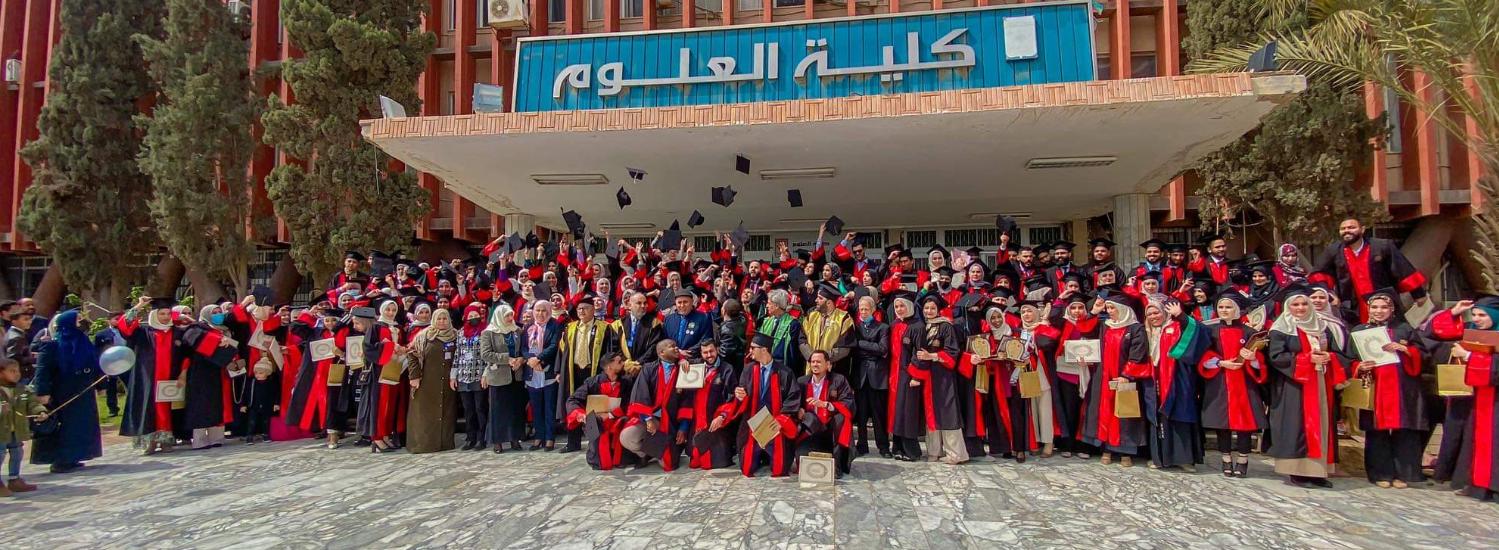

كلية العلوم

المزيد ...

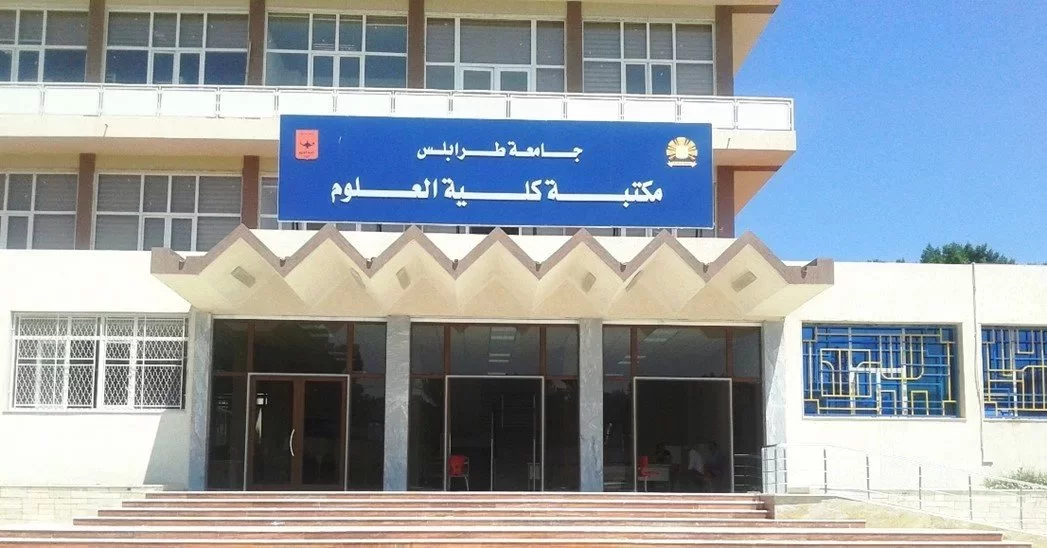
حول كلية العلوم

كلية العلوم- جامعة طرابلس هي نواة كليات العلوم ليس فقط في هذه الجامعة العريقة بل في الدولة الليبية . تضم في الوقت الحالي عشرة اقسام علمية ويجري العمل على استحداث قسم جديد Archaeology يختص بدراسة بالجانب العلمي البحثي للتراث التاريخي للشعب الليبي، وهذه الأقسام العلمية هي قسم علم الحيوان وعلم الرياضيات، وعلم الفيزياء، وعلم الكيمياء، وعلم النبات وعلم الجيولوجيا ، وعلم الحاسب الآلي وعلم الإحصاء ، وعلم الغلاف الجوي  وعلم الجيوفيزياء. عمل خريجو هذه الكلية في مختلف القطاعات منها على سبيل المثال وليس الحصر:

  • مجال النفط تنقيبا واستخراجا وتكريراً.
  • مجمعات الصناعات الكيميائية في أبي كماش وراس الانوف وشركات اللدائن إنتاجاً وتصنيعاً، و في مصانع الصابون ومواد التنظيف وغيرها.
  •  مجال التعليم وما يتعلق به من مجالات بحثية في جميع المراحل والمستويات منها التعليم المتوسط والعالي.

 لقد قاد خريجو هذه الكلية المسيرة العلمية لسنوات طويلة ولازالوا يمثّلون اللبنة الأولى في جميع كليات العلوم، وبعض الكليات الأخرى في جميع الجامعات الليبية، التي تأسست في الخمسة عقود الماضية. شمل مجال عمل خريجوها كليات الطب (في مجال العلوم الأساسية ، والكيمياء الحيوية وعلم التشريح والأنسجة والإحياء الدقيقة) وكليات الزراعة في معظم أقسامها والهندسة في المرحلة العامة وقسمي الهندسة الكيميائية والجيولوجية تحديدا، والتقنية الطبية والصيدلة وكلية الاقتصاد والآداب، وذلك من خلال برامج الدراسة الجامعية التي عملت على توفير معيدين للجامعــــــــات الأخــــــــــرى بالدولــــــــة الليبية أو توفير أعضــاء هيئة التدريس من حملة

  • تعتبر كلية العلوم من أوائل الكليات الجامعية التي تبنّت برامج الدراسات العليا بالداخل رغم طبيعة الدراسات العليا في العلوم الأساسية والتي تحتاج إلى إمكانيات تتعدى الأستاذ الكفؤ والذي هو متوفر والحمد لله في هذه المؤسسة، وذلك لان عدد كبير من الأساتذة تخرجوا من جامعات في الغرب والشرق (أمريكا، بريطانيا، أستراليا، معظم الدول الأوروبية) هذه الجامعات مشهود لها بالمستوى الأكاديمي الرفيع.
  • عمل ويعمل خريجوها أيضا في مراكز البحوث الصناعية والنووية والنفط والأحياء البحرية والتقنيات الحيوية واللدائن وغيرها من المراكز البحثية المتخصصة، وذلك بعد حصولهم على الشهادة الجامعية الأولى أو بعد حصولهم على درجات التخصص العالية والدقيقة من الداخل و الخارج .
  • إثراء الحركة العلمية البحثية في مجالات العلوم الاساسية بالدولة الليبية من خلال اصدار مجلة العلوم الاساسية المحكمة.

حقائق حول كلية العلوم

نفتخر بما نقدمه للمجتمع والعالم

170

المنشورات العلمية

267

هيئة التدريس

1831

الطلبة

686

الخريجون

البرامج الدراسية

الإجازة التخصصية (بكالوريوس)
تخصص الاحصاء

يشتمل برنامج الدراسة بالقسم على خمسة وعشرون مقرراً في الإحصاء (25) ممثلة بأربعة وثمانون...

التفاصيل


الإجازة التخصصية (بكالوريوس)
تخصص علوم الحاسب الآلي

...

التفاصيل

من يعمل بـكلية العلوم

يوجد بـكلية العلوم أكثر من 267 عضو هيئة تدريس

staff photo

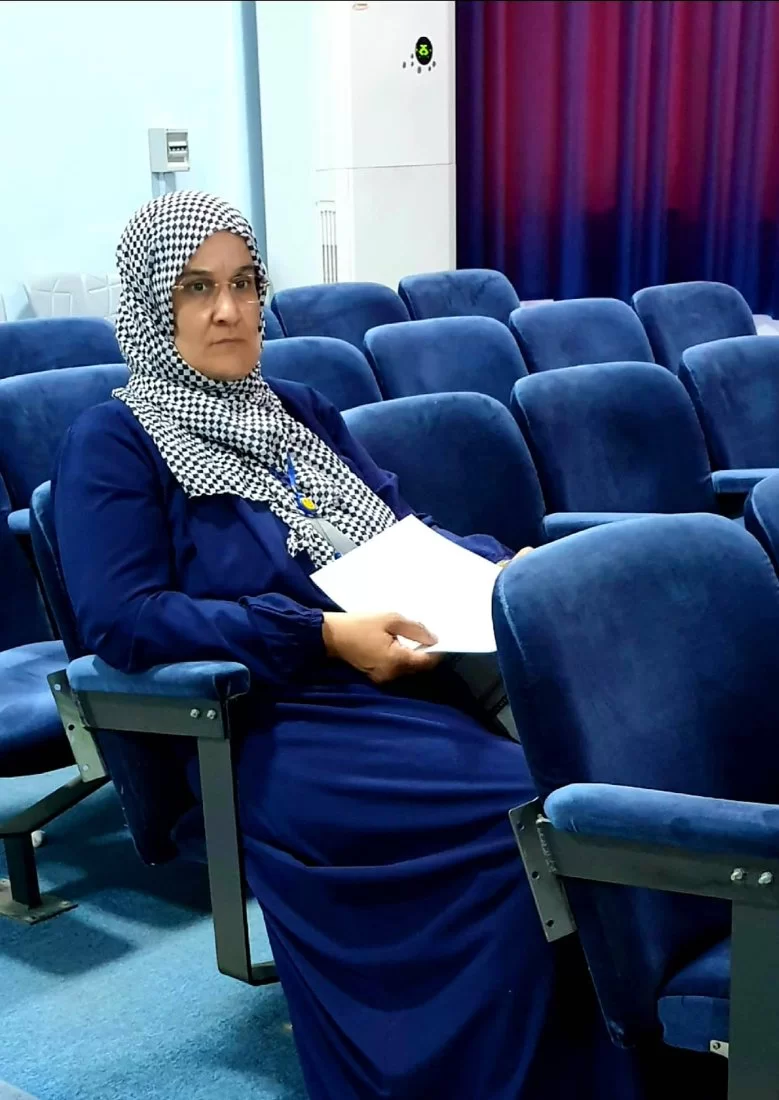
أ. سعاد محمد احمد البرقاوي

منشورات مختارة

بعض المنشورات التي تم نشرها في كلية العلوم

Temporal and Spatial Evolution of Some Laser Fusion Parameters

Abstract The search for a reliable source of energy has been a challanging task to manking while conventional energy resorces are diminishing nuclear fusion, especially laser fusion, promises to be the source of the future. Experimental costs in laser fusion are astronomical and computer modeling drastically minimizes such costs and gives a chance for less fortunate Gauntries to gain insight into the scientific and technical aspects of the subject since a large portion of information involved is classified. This work deals with the spatial and temporal evolution of the laser fusion produced by different laser pulses It is based on a computer code called MEDUSA which takes into account the variation in the wavelength, power density pulse duration, target geometry and material. It assumes a target which is divided into 20 cells each of 24 urn width. Inverse-Bremsstrahlung and resonance absorption are the two main mechanisms responsible for absorption of energy from the incident laser pulse. Fusion takes place in the plasma as a result of ablation of the plasma corona where the formed shock waves compress the plasma cells and heat them. The rate of energy deposited into and radiated from the plasma ,which causes variation of the plasma internal energy, is expressed by the energy equation. This equation is transformed into a finite difference form and solved by Gauss Elimination Method to calculate the plasma parameters such as electron(T e) and ion ternperatures(Ti), pressure(P) and density(p) and the different processes of energy absorption and losses. The temporal evolution of these parameters is studied through the divisions of the pulse into chosen time steps at which the evolution is clear. The results have shown that by increasing laser power the energy deposited into and radiated from the plasma increases. The electron and ion temperatures the plasma pressure and density also increase. This is because of the geadual propagation of the shock wave from the surface of the pellet towards its center causing compression of the plasma cells. The optimum value of such parameters are obtained close to the end of the pulse where the incident laser power is maximum and so as the energy deposited into the plasma center where heating and compression causes the consumption of the whole target After the end of the pulse duration, the plasma cells coordinates expand and the plasma parameters decrease, a process known as diminishing of the plasma The effect of the laser parameters of four diffterent lasers namely CO2, KrF, Nd-glass and Ruby of 5ns, 15ns and 45ns pulse duration was studied. It was found that: (1) the maximum value of the plasma parameters decrease by increasing the pulse duration of a certain power and wavelength, (2) the maximum value of the plasma parameters increase by increasing the wavelength because of increasing the energy deposited into the plasma by resonance absorption process. At the optimum implosion time, the plasma parameters show a strong spatial variation. However, a strong temporal variation of the plasma parameters was observed at the pellet center.
هناء محمد حسن موسي (1994)
Publisher's website

Laser Treatment of Poly-Si Surface and Its Effect on Schottky Diode Characteristics

تم في هذا البحث دراسة بعض الخصائص الكهربية و البصرية لسطح السليكون المتعدد البلورات(Poly-Crystalline Silicon) وذلك بعد معالجته بنبضات ليزر الياقوت (λ = 6943 A°, τ = 500 μsec., E ≈ 0.58 J/cm²) و بإستخدام تحليل نظري من خلال برنامج حاسوب تم حساب درجة حرارة سطح السليكون كمؤشر لتقدير طاقة النبضة الليزرية التي يمكن إستعمالها في معالجة السطح. أستخدمت مطيافة الأشعة تحت الحمراء (IR-Spectrophotometery) لتقصي ما يحدث من أكسدة على السطح. بزيادة كثافة طاقة النبضة الليزرية تم تتبع التشويه الناتج على سطح و مايحدث من إنصهار و تبخر و إمكانية إحداث ثقوب في شريحة السليكون عند معاملته بنبضة ليزرية بكثافة طاقة (E ≈ 1>7 J/cm²) و مدى إعتماد تجانس الثقب الناتج على موضعه بالنسبة لحدود الحبيبات (Grain Boundaries) على السطح. ولدراسة مدى إمكانية تحسن مواصفات سطح السليكون المعالج بالليزر تم تحضير نوعين من العينات على نفس الشريحة نصفها معالج بالليزر و النصف الأخر غير معالج و ذلك لغرض المقارنة. و تم تحضير ثنائيات شوتكي (Al-Si(poly)-Al) بتسيب طبقة من الألومنيوم على سطح الأمامي و الخلفي للسيلكون بإستخدام التبخير الحراري (Thermal Evaporation) مع إستخدام نبضة ليزر الياقوت بكثافة طاقة (E ≈ 1.0 J/cm²) لصنع الوصلة الأومية (Ohmic Contact) وذلك بدلا من إيتخدام التسخين الحراري التقليدي. ثم قياس الخصائص الكهربية لهذه الثنائيات و هي [Ideality Factor(n), Barrier Height (ϕв), Reverse Saturation Current (Js)] و مقارنتها بثنائيات شوتكي المصنعة على سطح الغير معالج ليزريا التي تعمل كحاجز إلكتروستاتيكي لحاملات الشحن الأقلية (Minority Charge Carriers) مما يؤدي الي زيادة تيار التشبع العكسي و البتالي تقل كفاءة ثنائيات شوتكي المصنعة على هذا السطح. أخيرا يمكن إستخدام نبضة ليزر الياقوت ذو الطاقة العالية في عملية ثقب شريحة السليكون المتعدد البلورات و مدى تجانس الثقب الحادث يحدده موضعه بالنسبة لحدود الحبيبات فكلما بعدت الثقوب عن مناطق حدود الحبيبات كلما كانت أكثر تناسقا في الشكل. Abstract In this work, the poly-crystalline silicon surface was mechanically polished, chemically cleaned and then treated with ruby laser (λ = 6943 A°, τ = 500 μsec., E ≈ 0.58 J/cm²) of energy density from 0.58 J/cm2 . The temperature profile of the treated surface was estimated using numerical analysis of the heat flow equation. IR-spectra is used to diagnose the treated surface for any oxidation. Laser pulse of energy density higher than 0.58 J/cm20 caused a damage on the surface. The energy density of 1.7 J/cm2 resulted in small holes in poly-Si wafers, the homogeneousity of the hole shape depends on its relative position with respect to the grain boundaries. Al-Si(poly)-Al Schottky diodes were prepared on laser treated surface, and compared with those prepared on the untreated one. The diode’s parameters, such as, ideality factor n, barrier height ϕв, and reverse saturation current Js, were determined and discussed. Generally, it was found that the laser treatment of poly-Si surface improved the schottky diode parameters.
طارق عاشور (1996)
Publisher's website

Life Cycle of the Southern Green Bug, Nezara viridula (L.)(Heteroptera: Pentatomidae) and its Egg Parasitoid, Trissolocusbassalis (Woll.) (Hymenoptera: Scelionidae)

Abstract Biological studies of Nezara viridula (L.) (Heteroptera:Pentatomidae) and its parasitoid Trissolcus basalis (Wollaston)(Scelionidae: Hymenoptera) collected from Libya were conducted in a rearing room at 25 ± 5°C, 65 ± 10 % R.H. and 16:8 LD photoperiod.During the course of rearing of N. viridula the eggs incubation periodvaried between 4-7 days. The newly emerged nymphs and the 5th stage had the highest mortality in comparison with 1st, 2nd, 3rd and 4thstages .studies on T. basalis included: SEM, development time, parasitoid mating behavior and oviposition behavior, functionalresponse and fecundity. The development time was 4 to 10 days underthe laboratory condition. Adult males lived longer than females.Mating time took from 12.2 to 19.5 seconds. In case of ovipositionbehavior serial of behaviors were observed and recorded. The egg selection period was 0: 00: 08 - 0: 00: 25 min, oviposition period was 0: 01: 04 - 0: 01: 41 min. Egg marking period was 0: 00: 11 - 0: 00: 25 min. The longest period was the oviposition period followed by egg marking period followed by egg selection period.In functional response study was found a highly positive correlation ( r = 0.974 ) number of egg masses exposed and the number of parasitoid emerged. Fecundity experiments showed that the daily ii production of progeny by female of T. basalis during 6-10 dayslifetime showed that female progeny production was higher than male progeny production. The maximum period offspring production was 6-10 days. There was a highly negative correlation ( r = - 0.900 ) between the number of eggs parasitized and parasitoid age . Also there is a highly signifcant difference between the fecundity of T. basalis newly emerged of 24 h and after 7 days after emergence from N. viridula eggs. The number of mature eggs in the ovary were less in 24h aged female and the fecundity increased over the next 7 days.
عايدة عادل عبد الرحيم بادي (2008)
Publisher's website

كلية العلوم في صور

الالبومات الخاصة بفعاليات كلية العلوم