
كلية العلوم

المزيد ...

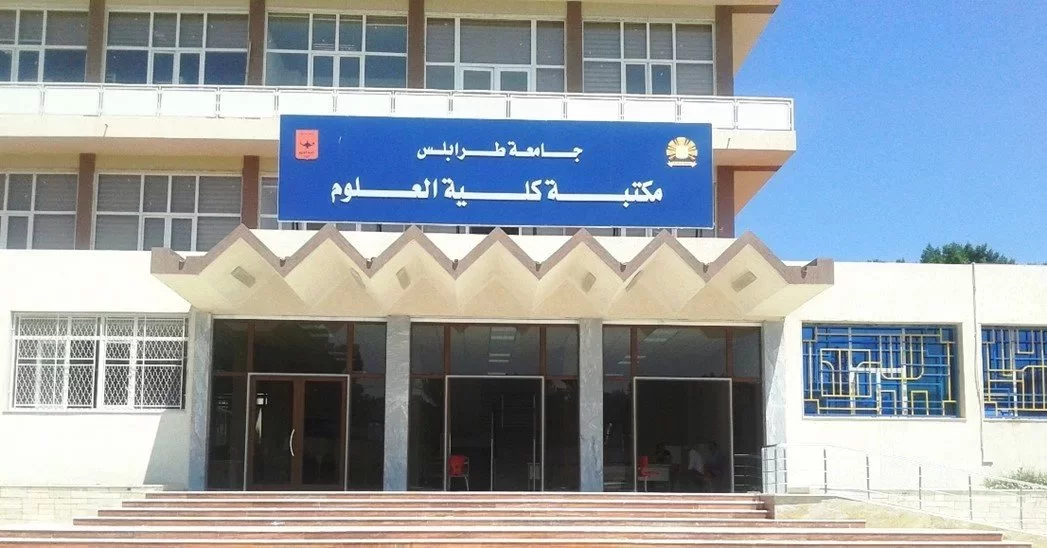
حول كلية العلوم

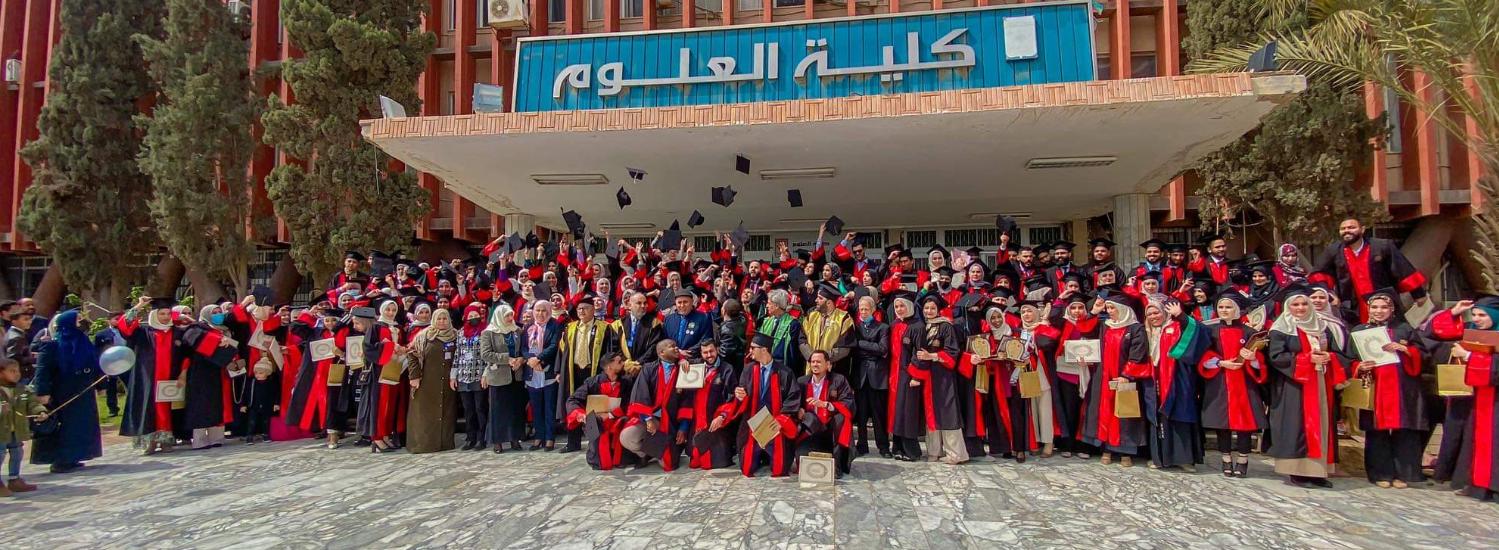
كلية العلوم- جامعة طرابلس هي نواة كليات العلوم ليس فقط في هذه الجامعة العريقة بل في الدولة الليبية . تضم في الوقت الحالي عشرة اقسام علمية ويجري العمل على استحداث قسم جديد Archaeology يختص بدراسة بالجانب العلمي البحثي للتراث التاريخي للشعب الليبي، وهذه الأقسام العلمية هي قسم علم الحيوان وعلم الرياضيات، وعلم الفيزياء، وعلم الكيمياء، وعلم النبات وعلم الجيولوجيا ، وعلم الحاسب الآلي وعلم الإحصاء ، وعلم الغلاف الجوي  وعلم الجيوفيزياء. عمل خريجو هذه الكلية في مختلف القطاعات منها على سبيل المثال وليس الحصر:

  • مجال النفط تنقيبا واستخراجا وتكريراً.
  • مجمعات الصناعات الكيميائية في أبي كماش وراس الانوف وشركات اللدائن إنتاجاً وتصنيعاً، و في مصانع الصابون ومواد التنظيف وغيرها.
  •  مجال التعليم وما يتعلق به من مجالات بحثية في جميع المراحل والمستويات منها التعليم المتوسط والعالي.

 لقد قاد خريجو هذه الكلية المسيرة العلمية لسنوات طويلة ولازالوا يمثّلون اللبنة الأولى في جميع كليات العلوم، وبعض الكليات الأخرى في جميع الجامعات الليبية، التي تأسست في الخمسة عقود الماضية. شمل مجال عمل خريجوها كليات الطب (في مجال العلوم الأساسية ، والكيمياء الحيوية وعلم التشريح والأنسجة والإحياء الدقيقة) وكليات الزراعة في معظم أقسامها والهندسة في المرحلة العامة وقسمي الهندسة الكيميائية والجيولوجية تحديدا، والتقنية الطبية والصيدلة وكلية الاقتصاد والآداب، وذلك من خلال برامج الدراسة الجامعية التي عملت على توفير معيدين للجامعــــــــات الأخــــــــــرى بالدولــــــــة الليبية أو توفير أعضــاء هيئة التدريس من حملة

  • تعتبر كلية العلوم من أوائل الكليات الجامعية التي تبنّت برامج الدراسات العليا بالداخل رغم طبيعة الدراسات العليا في العلوم الأساسية والتي تحتاج إلى إمكانيات تتعدى الأستاذ الكفؤ والذي هو متوفر والحمد لله في هذه المؤسسة، وذلك لان عدد كبير من الأساتذة تخرجوا من جامعات في الغرب والشرق (أمريكا، بريطانيا، أستراليا، معظم الدول الأوروبية) هذه الجامعات مشهود لها بالمستوى الأكاديمي الرفيع.
  • عمل ويعمل خريجوها أيضا في مراكز البحوث الصناعية والنووية والنفط والأحياء البحرية والتقنيات الحيوية واللدائن وغيرها من المراكز البحثية المتخصصة، وذلك بعد حصولهم على الشهادة الجامعية الأولى أو بعد حصولهم على درجات التخصص العالية والدقيقة من الداخل و الخارج .
  • إثراء الحركة العلمية البحثية في مجالات العلوم الاساسية بالدولة الليبية من خلال اصدار مجلة العلوم الاساسية المحكمة.

حقائق حول كلية العلوم

نفتخر بما نقدمه للمجتمع والعالم

170

المنشورات العلمية

267

هيئة التدريس

1831

الطلبة

686

الخريجون

البرامج الدراسية

الإجازة التخصصية (بكالوريوس)
تخصص الفيزياء

يقدم قسم الفيزياء برنامج دراسي للحصول على درجة الإجازة الجامعية الأولى (البكالوريوس)...

التفاصيل

من يعمل بـكلية العلوم

يوجد بـكلية العلوم أكثر من 267 عضو هيئة تدريس

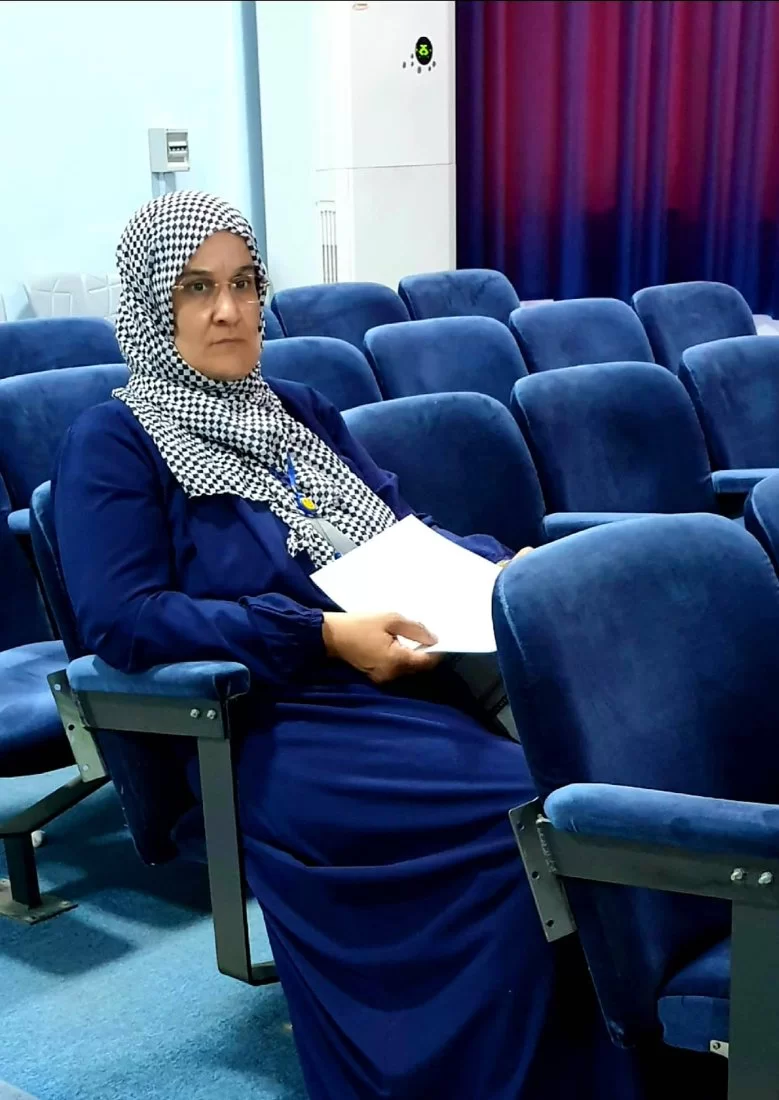
staff photo

أ. سعاد محمد احمد البرقاوي

منشورات مختارة

بعض المنشورات التي تم نشرها في كلية العلوم

Optical Properties of Pure Zinc Oxide Thin Films Prepared by Sol-Gel Method

Thin films of pure ZnO have been prepared on glass substrate using the Sol–Gel spin coating technique. Transmittance and absorbance spectra have been measured by using double beam UV-Visible 1800 spectrophotometer in the wavelength range (300-800)nm. It was found that the absorbance decreases with increasing the wavelength, while the transmittance increases with rising the wavelength. The transmittance exceeds 90% in the visible light region and in the near-infrared. The obtained results have shown that intrinsic ZnO is a semiconductor of wide optical energy band gap estimated to be 3.33eV. Furthermore, some optical properties and optical constants have been calculated from absorption and transmission measurements such as absorption coefficient, Urbach energy, extinction coefficient, refractive index and dielectric constant. arabic 12 English 63
Fawzeia Khamis(8-2020)
Publisher's website

Stratigraphy and Depositionalenvironment of Abu Ahaylanformation - NW Libya

Abstract Seven geological sections have been examined and sampled with emphasis on sedimentological & diagenetic processes within Abu Ghaylan Formation and the contact relationships with the underlying Abu Shaybah and overlying Kiklah Formations. Based on current detailed field loggings and microscope investigations, 10 facies are recognized within Abu Ghaylan Formation. The lowermost succession characterised by an overall transition from continental fluvially dominated deposits of the Abu Shaybah Formation into transitional to marginal marine, tidal flat deposits of the Abu Ghaylan Formation upward. The transitional nature of this lowermost part succession is demonstrated by interbeddings of claystone, sandstone and fossiliferous facies arranging in coarsening up cycle, in which most probably deposited in estuary / beach environment.The Abu Ghaylan Formation generally wedges laterally eastward and exposes intermittently east of Wadi Ghan area resulting of syngenetic uplift of Wadi Ghan area followed by erosion (ElHinnawy & Cheshitev, 1975). A slightly earlier uplift and greater erosion in a westward sloping basin of deposition near the close of the Early Jurassic and Early Cretaceous times is suggested by Fatmi & Sbeta (1991). The current study reveals that several exposure surfaces are demonstrated within Abu Ghaylan Formation suggesting uplifting and erosion episodes interrupted Abu Ghaylan Formation, where a restricted distribution of Abu Ghaylan may suggest a local tectonic overprint.Although the overall impression is that the base beds of Kiklah Formation starts with sandstone and red clay beds as channel infill deposits above Abu Ghaylan carbonate unit with surface of unconformity, however, based on current close investigation, a sequence characterized by interbeddings of carbonate and greenish clay overlying Abu Ghaylan Formation with surface of unconformity and gradationally overlain by sandstone beds should be introduced as separate unit attributes to Kiklah Formation.The current study emphasizes and supports a solution collapse origin for the breccias and introduces better insight into architecture and geomorphology of the breccias bodies that are exposed in the area of study. The dissolution of evaporites is considered responsible for all breccias development in this stratigraphic interval. According to the occurrence mode of breccias, the breccias intervals have been divided into two main parts; a lower section of strata that contains collapsed paleocaves and an upper section of strata that is deformed to varying degrees due to the collapse and compaction of the section of paleocave-bearing strata. The sharp flat base, inverse grading, V-shaped/ sag structures and irregular undulating top of brecciated bodies are recognized within Abu Ghaylan Formation and typically characterize solution collapse processes. Based on field study and architecture relationships, five distinctive karst facies are recognized in the area of study.The early diagenetic genetically related processes probably interrupted the deposition of Abu Ghaylan Formation is a most possible assumption for the origin and timing of breccias formation.
أحمد أبوبكر الحلو (2015)
Publisher's website

Fault Tolerance Capabilities In C Language A Case Analysis

هذا البحث يقدم نماذج العيب للبرمجة بلغة السي أثناء تنفيد البرامج، نماذج العيب تزود تحليل للعيب/ الفشل موضحاً كيف يمكن للعيب في البرمجة بلغة السي أن يسبب تغيير حالة البيانات في البرنامج لتصبح حاطئة، وكيف أن تلك البيانات الخاطئة يمكن أن تستمر إلى الحالة النهائية للبرنامج، وبذلك يظهر الفشل Failure. نماذج العيب أيضاً تتضمن دليل لأنواع العيوب التي يعتقد أنها تمثل العيوب التي من المحتمل أن تكون مقدمة في البرامج من قبل مبرمجين يكتبون برامج لغة السي. كل نوع من هذه العيوب يكون موصوفاً في شروط حسب العيب الذي يظهر في محتوى برنامج لغة السي الأصلي وكذلك كيف يمكن أن يسبب التأثير في حالة البرنامج. أنواع العيوب تكون محددة من التحليل الدقيق لقواعد اللغة syntaxes ومعانيها semantics للبرامج المكتوبة بلغة السي. نماذج العيب يمكن أن تساعد المختبرين والمبرمجين لتحديد الأماكن في البرنامج التي غالباً ما تظهر فيها العيوب، نماذج العيب يمكن أن تكون أساساً جيداً لتصنيف العيب وإختبار التغيير وتفتيش البرنامج وتقييم إستراتيجيات الإختبار للبرامج المكتوبة بلغة السي. أمثلة معطاة لتبين النماذج الملائمة لهذه الأغراض. Abstract This thesis presents a fault models for C programming (Turbo C, version 3.0) in run-time of programs. The fault models provide a fault/failure analysis of how a fault in C programming can cause a data state change in the program to become corrupted, and how that erroneous data can propagate to the final state of the program, thereby manifesting a failure. The fault models also include a catalog of fault types that are believed to represent faults likely to be introduced in programs by programmers writing C code. Each type of fault is described in terms of how it appears syntactically in source code as well as in how it can cause an infection of program state. The fault types are identified from a careful analysis of the syntaxes and the semantics of C programs. The fault models can help testers and programmers identify places in a program where faults are most likely to appear, and identify what kinds of faults to look out for when using certain feature in C language. The fault models is claimed to be a good foundation for fault seeding, mutation testing, program inspections, and evaluation of testing strategies for C programs. Examples are given that demonstrate the model’s suitability for these purposes.
وفاء حسين محمود المصباحي (2010)
Publisher's website

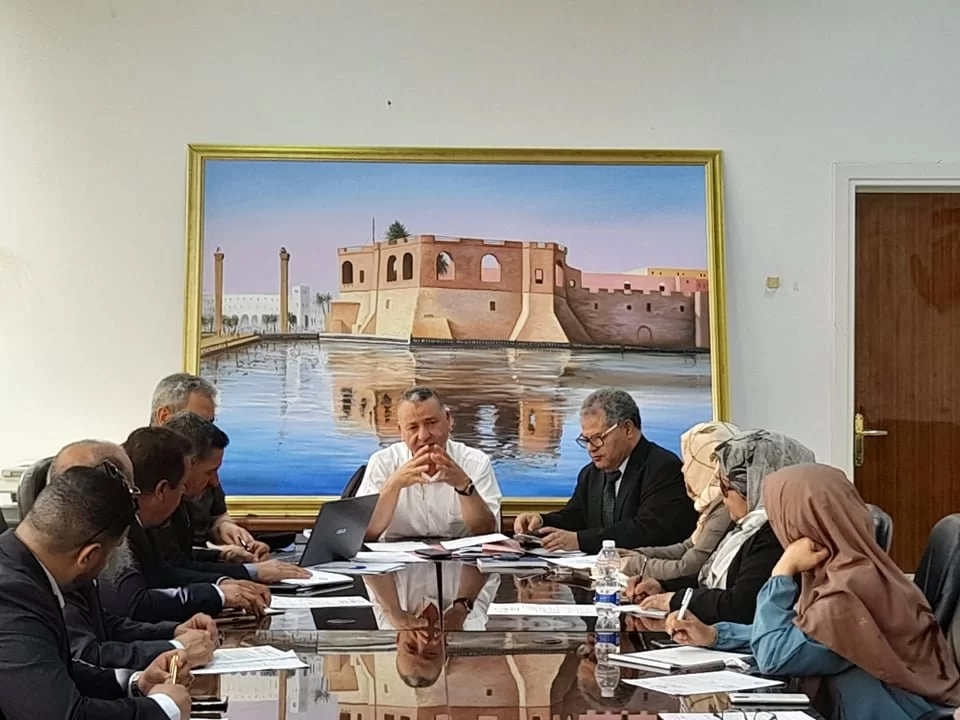
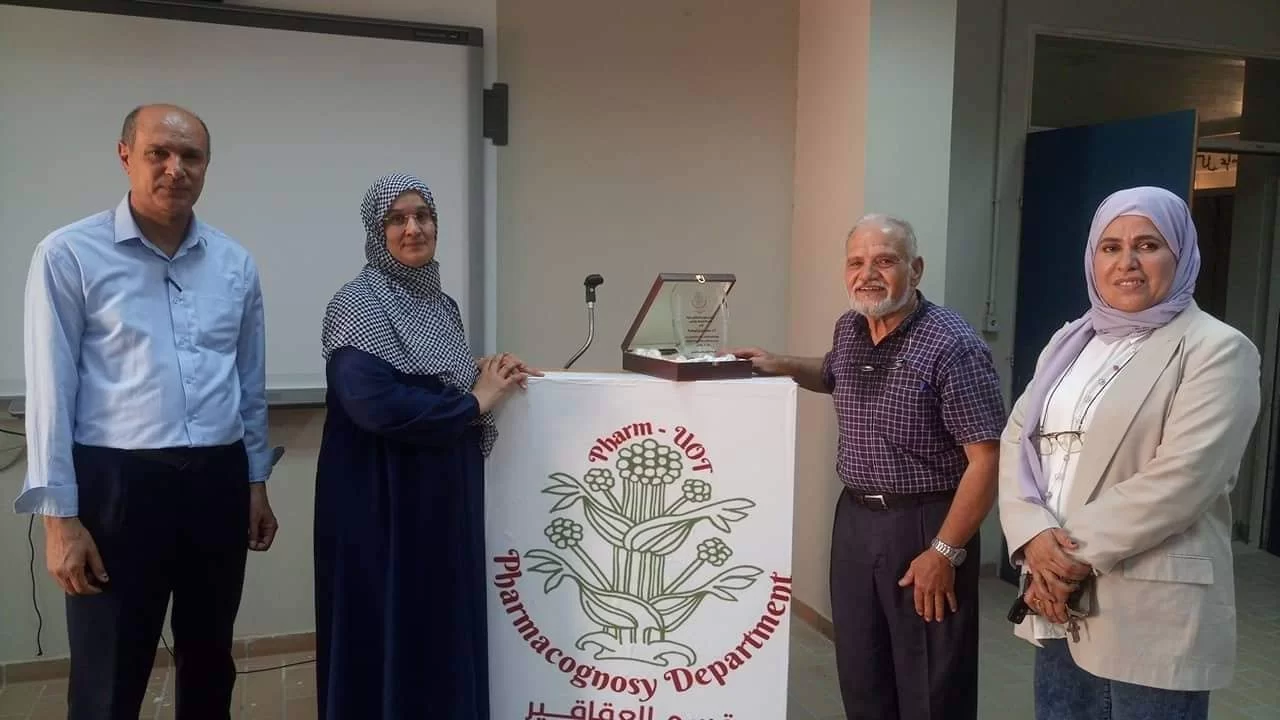
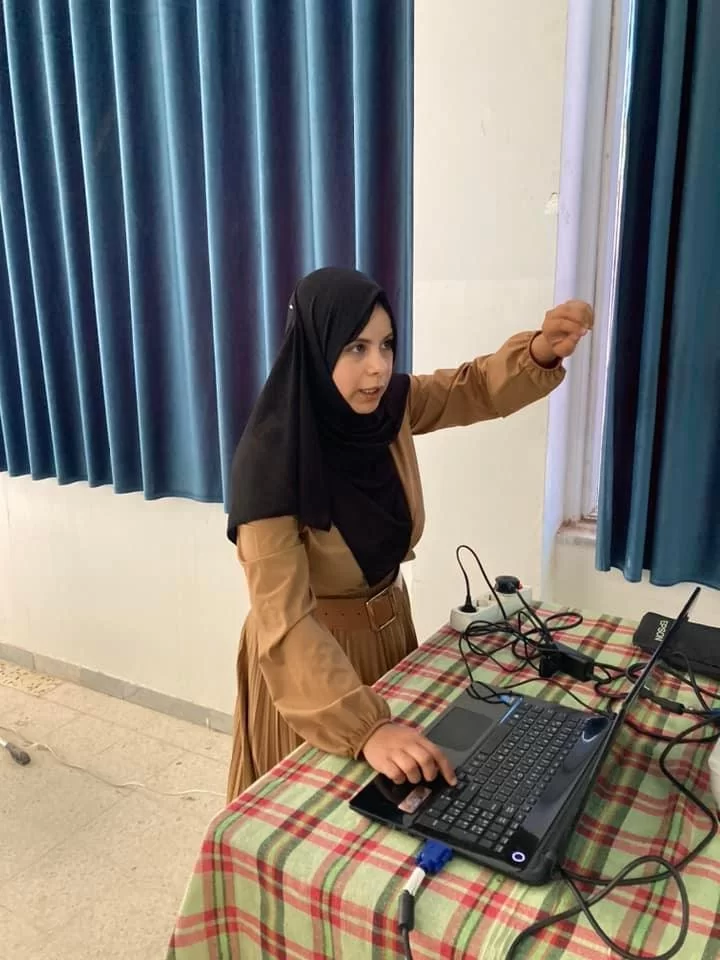
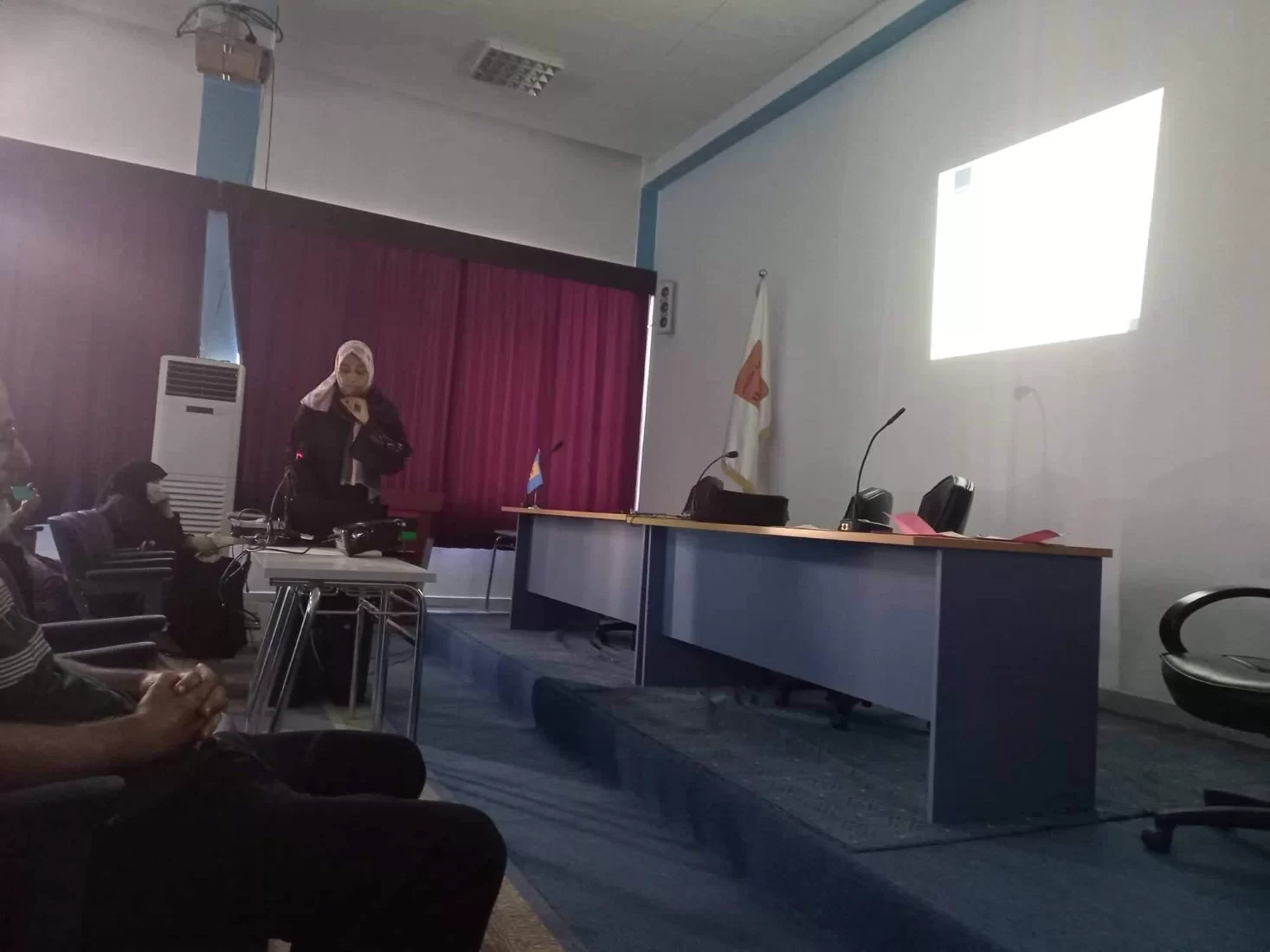
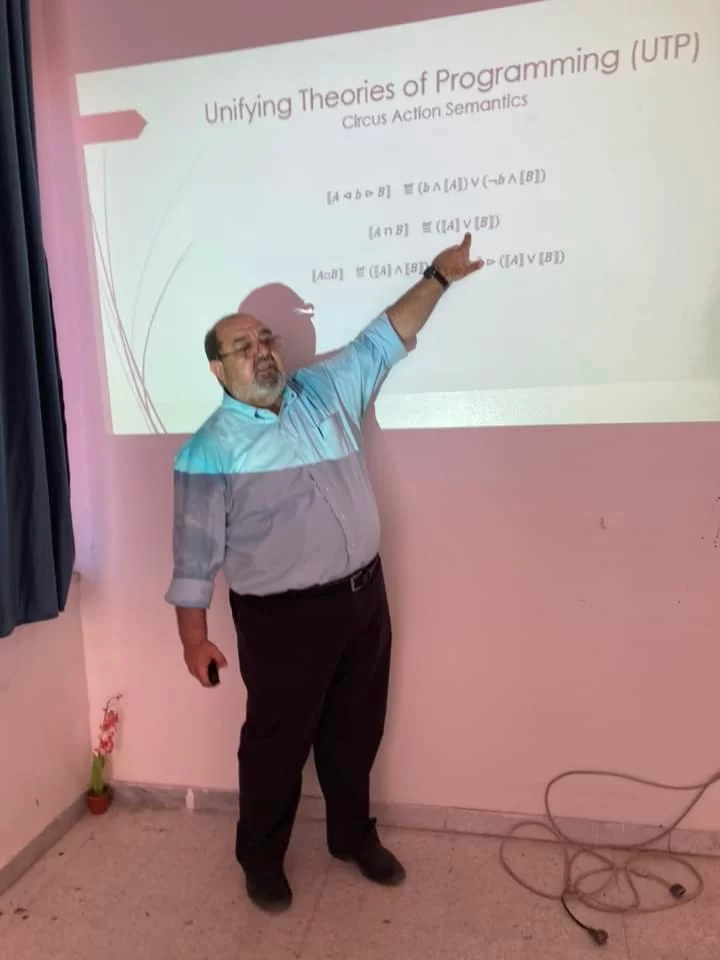
كلية العلوم في صور

الالبومات الخاصة بفعاليات كلية العلوم