

كلية العلوم

المزيد ...

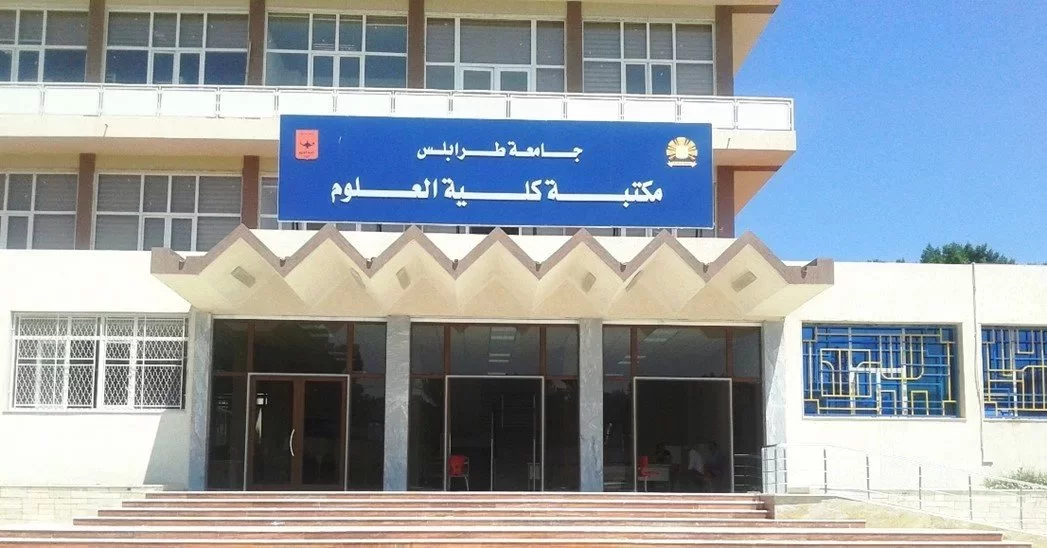
حول كلية العلوم

كلية العلوم- جامعة طرابلس هي نواة كليات العلوم ليس فقط في هذه الجامعة العريقة بل في الدولة الليبية . تضم في الوقت الحالي عشرة اقسام علمية ويجري العمل على استحداث قسم جديد Archaeology يختص بدراسة بالجانب العلمي البحثي للتراث التاريخي للشعب الليبي، وهذه الأقسام العلمية هي قسم علم الحيوان وعلم الرياضيات، وعلم الفيزياء، وعلم الكيمياء، وعلم النبات وعلم الجيولوجيا ، وعلم الحاسب الآلي وعلم الإحصاء ، وعلم الغلاف الجوي  وعلم الجيوفيزياء. عمل خريجو هذه الكلية في مختلف القطاعات منها على سبيل المثال وليس الحصر:

  • مجال النفط تنقيبا واستخراجا وتكريراً.
  • مجمعات الصناعات الكيميائية في أبي كماش وراس الانوف وشركات اللدائن إنتاجاً وتصنيعاً، و في مصانع الصابون ومواد التنظيف وغيرها.
  •  مجال التعليم وما يتعلق به من مجالات بحثية في جميع المراحل والمستويات منها التعليم المتوسط والعالي.

 لقد قاد خريجو هذه الكلية المسيرة العلمية لسنوات طويلة ولازالوا يمثّلون اللبنة الأولى في جميع كليات العلوم، وبعض الكليات الأخرى في جميع الجامعات الليبية، التي تأسست في الخمسة عقود الماضية. شمل مجال عمل خريجوها كليات الطب (في مجال العلوم الأساسية ، والكيمياء الحيوية وعلم التشريح والأنسجة والإحياء الدقيقة) وكليات الزراعة في معظم أقسامها والهندسة في المرحلة العامة وقسمي الهندسة الكيميائية والجيولوجية تحديدا، والتقنية الطبية والصيدلة وكلية الاقتصاد والآداب، وذلك من خلال برامج الدراسة الجامعية التي عملت على توفير معيدين للجامعــــــــات الأخــــــــــرى بالدولــــــــة الليبية أو توفير أعضــاء هيئة التدريس من حملة

  • تعتبر كلية العلوم من أوائل الكليات الجامعية التي تبنّت برامج الدراسات العليا بالداخل رغم طبيعة الدراسات العليا في العلوم الأساسية والتي تحتاج إلى إمكانيات تتعدى الأستاذ الكفؤ والذي هو متوفر والحمد لله في هذه المؤسسة، وذلك لان عدد كبير من الأساتذة تخرجوا من جامعات في الغرب والشرق (أمريكا، بريطانيا، أستراليا، معظم الدول الأوروبية) هذه الجامعات مشهود لها بالمستوى الأكاديمي الرفيع.
  • عمل ويعمل خريجوها أيضا في مراكز البحوث الصناعية والنووية والنفط والأحياء البحرية والتقنيات الحيوية واللدائن وغيرها من المراكز البحثية المتخصصة، وذلك بعد حصولهم على الشهادة الجامعية الأولى أو بعد حصولهم على درجات التخصص العالية والدقيقة من الداخل و الخارج .
  • إثراء الحركة العلمية البحثية في مجالات العلوم الاساسية بالدولة الليبية من خلال اصدار مجلة العلوم الاساسية المحكمة.

حقائق حول كلية العلوم

نفتخر بما نقدمه للمجتمع والعالم

170

المنشورات العلمية

267

هيئة التدريس

1831

الطلبة

686

الخريجون

البرامج الدراسية

من يعمل بـكلية العلوم

يوجد بـكلية العلوم أكثر من 267 عضو هيئة تدريس

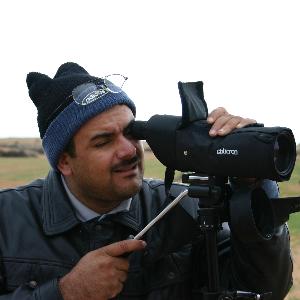
staff photo

د. صلاح محمد الأمين العجيلي جقنة

صلاح جقنة هو احد اعضاء هيئة التدريس بقسم علم الحيوان بكلية العلوم. يعمل السيد صلاح جقنة بجامعة طرابلس كـاستاذ مساعد في مجال علم الحشرات وله العديد من المنشورات العلمية في مجال تخصصه

منشورات مختارة

بعض المنشورات التي تم نشرها في كلية العلوم

Applications of Satellite Images and Bouguer Anomaly in Geological Studies of Gabal Asslahat & Surrounded Area

تقع منطقة الدراسة إلى الجنوب الشرقي من مدينة طرابلس وتبعد عنها بمسافة مائة وأربعون كيلو متر تقريباً. منطقة الدراسة عبارة عن مجموعة من الهضاب يتمركز في وسطها جبل الصلاحات المكون من الانسيابات البازلتية والتي تتمركز في وسط منطقة الدراسة. صورة القمر الإصطناعي لاندسات من الفئة السابعة للحزم الثانية والرابعة والسابعة ثم معالجتها وتسجيلها إلى خطوط الطول ودوائر العرض في منطقة الدراسة تمهيداً لتفسيرها للحصول على المعلومات الجيولوجية والجيومورفولوجية والجيولوجيا التركيبية لهده المنطقة هده المعلومات التي استخدمت في نمذجة البيانات الجاذبية التي تغطي منطقة الدراسة.معالجة صورة القمر الاصطناعي تم أجرأها باستخدام تقنيات المعالجة والتي تتمثل في صورة الألوان غير الحقيقية، الفلترة، المط الخطي، المط غير الخطي، تحويل المركبات الأساسية، تحسين الحواف، وغيرها وفي كل مرة تطبق عملية من عمليات المعالجة على الصورة تعرض الصورة المنتجة إلى عمليات التفسير باستخدام العناصر التقنية وعناصر الصورة مباشرةً من شاشة الكمبيوتر وتم في هذا المضمار إنتاج مجموعة من الخرائط (الخريطة الجيولوجية، خريطة الجيولوجية التركيبية وخريطة توزيع التكوينات والوحدات الصخرية المختلفة) الأشكال رقم (and 233،17،18،19،20،21) من خلال خريطة التوزيع المكاني للوحدات الصخرية لمنطقة الدراسة تم انجاز خريطة جيولوجية ذات دقة عالية بالاستفادة من المعلومات الجيولوجية المنشورة في منطقة الدراسةهده الخريطة استخدمت كأساس في عملية النمذجة للبيانات الجاذبية فيما بعد.ومن خلال الزيارات الميدانية المتكررة لمنطقة الدراسة تم اعتماد أربعة عشر نقطة تحكم أرضية Ground Control Point جمعت منها عينات صخرية لقياس الكثافة للتكوينات والوحدات الليثولوجية المختلفة في منطقة الدراسة. والمرحلة الأخيرة من هذه الدراسة هي عرض البيانات الجاذبية على شكل خرائط تدرج لوني يمثل الاختلافات في قيم الجاذبية والتي من خلالها يلاحظ أن أكبر قيم وأقلها للقراءات هي لقيمة الجاذبية كما هو مبين بالشكل رقم . (Figure 4.2.). 6.8 mlgal and -68 mlgaمع ملاحظة وجود بعض الانغلاقات في شمال ووسط وجنوب خريطة البوغير واعتماداً على خريطة شاذة البوغير تم اختيار عدد اثنان بروفيل (خطوط مناسيب ) لإجراء عملية النمذجة في بعدين وروعي في هذا الاختيار أن تمر هذه البر وفيلات بأكبر عدد من الانغلاقات في منطقة الدراسة وباستخدام برنامج (Oasis Montaj)تم معالجة البيانات الجاذبية وفصل الشواذ باستخدام المركبة الثانية Downward continuation , Upward continuation وفي نهاية المطاف تم الحصول على تمثيل للتوزيع الجيولوجي لمختلف الطبقات يحاكي قيما لجاذبية الحقيقية المسجلة في منطقة الدراسة. Abstract Gabal Asslahat located at north central part of Libya comprises the east end for Gabal Nafusa. The rock type in the area is extrusive rocks chiefly olivine basalt and phonolite in both side near to Gharyan BaniWalid area. The age of these igneous rock is mostly of Tertiary age (Eocene) and a part of them may be classified as Quaternary age Industrial Research Center (IRC, 1977). The area around the basalt flows is covered by the upper cretaceous rocks and specially the rocks of cenomanian and Turonian ages which described as dolomatic limestone, marl, shale and gypsum (lower part of Mizdah formation of AL-Hamra Group). The study area comprises a high land of basalt rocks with 968 m maximum elevation above MSL.In this study accurate evaluation of the geological information from the satellite images were performed. Landsat TM7 image and other satellite images were processed and registered to the coordinates of the area using standard techniques. Image stretching, image filtering, image FCC, image ratio, image contrast, image transformation and principle component generation is the main image processing operation will be used during the course of this study.After the image enhancement would completed the study were proceed with image interpretation using the recognition elements and technical elements. Facsimile for each image was generated for all information possibly extracted. A geologic map of the area was compiled from all facsimiles interpreted from various images. The satellite image interpreted (geologic map) shows the accurate information regarding the spatially distribution rock exposures in the area is the final product of the remote sensing operation in this study.Visual evaluation of the Bouguer anomaly gravity map will be accomplished for selecting the geotraverse for the gravity modeling.Two gravity profiles will be used for the 2-D modeling along with the other information from geology and field information.
موسي محمد علي اليونسي (2009)
Publisher's website

" دراسة تأثير حجم البذور على معدل الإنبات وقوة نمو الباذرات وتطور النمو فى النبات "

نظراً لاهمية حجم البذور المزروعة على إنبات البذور ونمو النباتات النامية من البذور مختلفة الاحجام والمحصول الناتج منها. أجريت الدراسة على حبوب نبات الذرة Zea mays وبذور فول الصويا Soya bean وذلك لمالهما من أهمية أقتصادية فى حياتنا كغذاء للانسان والحيوان. أجريت التجارب فى المعمل وكذلك فى الحقل، فى المعمل تم إجراء التجارب على تأثيردرجة الحرارة والضوء على إنبات البذور المدروسة. درجات الحرارة التى تم أستعمالها هى (10 و15 و20 و25 و30 و35 مْ) فى الضوء والظلام. ظهرت النتائج أن هناك تأثيراً معنوياً لحجم و وزن البذور على معدل الانبات لحبوب الذرة وبذور فول الصويا فى درجات الحرارة المختلفة فى الضوء وفى الظلام ، كان أفضل معدل للإنبات فى البذورالكبيرة الحجم لكلا النباتين سواء فى درجات الحرارة العالية أو المنخفضة ، وأقل معدل إنبات كان للبذور الصغيرة الحجم ، ودرجة الحرارة المثلى لانبات بذور كلا النباتين هى25 مْ ،وكان اعلى إنبات فى البذوركبيرة الحجم ، حيث كان فى الذرة 75% فى الضوء و 68 % فى الظلام ، أما بذور فول الصويا فكانت نسبة إنبات البذور الكبيرة الحجم 85 % فى الضوء ، و73 % فى الظلام .بينما إنبات البذور الصغيرة الحجم أقل حيث كان لبذور الذرة 59.5 % فى الضوء ، و60.5 % فى الظلام أما بالنسبة لبذور فول الصويا فإن معدل الانبات فى الضوء 73 % ، وفى الظلام 70 % .أجريت الدراسة الحقلية لتعيين تأثير حجم البذورو وزنها على معدل الانبات ونمو النبات فى الذرة وفول الصويا فى التربة ، كذلك لدراسة تأثير حجم البذورووزنها على نمو البادرات و تطور مراحل النمو لكلا النباتين ، فى هذه التجربة تم تعيين نسبة الانبات فى الحقل بعد أسبوع من زراعة البذور فى التربة ، وكانت أعلى نسبة إنبات لبذور الذرة الكبيرة الحجم 80.66 % ، وأقل نسبة إنبات للبذور الصغيرة الحجم 67.33 % ، أما نسبة إنبات بذور فول الصويا فى الحقل كانت أعلى نسبة إنبات للبذور الصغيرة الحجم 72.307 % ، و أقل نسبة إنبات للبذور الكبيرة الحجم 31.538 %.تم قياس إيضاَ النمو الطولى للنباتات بتتبع قياس طول النبات أسبوعياً و أستمر إلى أن توقف النمو ، كانت أفضل النتائج المتحصل عليها للنباتات النامية من بذور كبيرة الحجم لكلا النباتين ، حيث تميزت النباتات المزروعة من بذور كبيرة الحجم باطول ساق إذ بلغ متوسط طولها 130.9 سم لنبات الذرة ، و33 سم لنبات فول الصويا ، ايضاً تم تعيين الوزن الطرى والوزن الجاف للنبات الكامل و المجموع الخضرى و إيضاً متوسط الوزن الطرى و الجاف لكل من المجموع الجدرى و السوق و الاوراق و الثمار بالنسبة لنبات الذرة وكانت أعلى المتوسطات للنباتات للمزروعة من بذور كبيرة الحجم و أقلها للنباتات المزروعة من بذور صغيرة الحجم . قدمت النتائج كمتوسطات القراءات على معدل الانبات والانبات النهائى ونمو النبات، أجرى التحليل الاحصائى على النتائج، ودونت الفروق المعنوية فى الجداول كما هو مبين. Abstract Seed size had an important effect on rate and final germination in Zea mays and Soya bean. Also seed size effected growth in these plants. Zea mays and Soya bean plants were selected for this study for their economical importance as source of food for human and animals.This study was carried out in laboratory as well in the field. The effect of different temperatures was deter mined on rate and final germination in both seeds used. Also effect of light on seed germination was tested. The results revealed that there is big effect of seed size on germination and subsequent growth of plants used. Where larger seeds gave better rate and final germination, there was better growth in plants formed from larger seeds. The best temperature for germination is 25ْc for the two types of plants used. Light had little promoting effect on rate and final germination of seeds used .Seed germination determinted in the soil under field conditions. The results obtained agreed with laboratory results but in Soya bean, it was found better germination from small seeds. This is may be due to seed coat being weaker and thinner in small seeds than big seeds. Different categories of growth was measured as plant length, fresh weight leaf weight dry weight etc. The results were statistically analysed and discussed.Different Growth categories were determined. These were better in plants originated from large seeds than small seeds. We can classify our results as increasing the size and weight of seed gave better results in germination, growth and length of plants, fresh weight and dry weight.
كميلة سالم خليفة السويح (2012)
Publisher's website

Geological study of the Early and Late Cretaceous Clastic Reservoirs in C-structure, Block nc-98, Al hameimāt Trough, Sirt Basin-Libya

Abstract The area of study is located in the southeastern part of Block NC98 and is informally named C-Structure area, and it is completely situated in the center of Al Hameimāt Trough, South East Sirt Basin, Libya. The main reservoir rock in this structure is the Upper Nubian Sandstone Member, whereas the Reworked Sandstone Unit and Transitional Beds are considered as secondary reservoir rocks. These reservoirs are mainly composed of sandstone to argillaceous sandstone. The Upper Nubian Sandstone reservoir quality is adversely affected by volcanic rocks especially the thick intercalation of volcanoclastics within the Upper Nubian Sandstone. The Upper Nubian Sandstone Member was deposited during Early Albian times. The Reworked Sandstone Unit was possibly deposited in Cenomanian? to Turonian times and may be related to the overlying Transition Beds.Up to date, four wells have been drilled in this structure (C1-NC98, C2-NC98, C3-NC98 and C4-NC98) and were targeting the clastic reservoirs of the Upper Nubian Sandstone and/or overlying Upper Cretaceous Transitional beds and Reworked Sandstone unit. Only C1-NC98 and C2-NC98 wells have tested significant hydrocarbon in the Upper Nubian and Reworked Sandstone unit whereas C3-NC98 and C4-NC98 wells have tested no hydrocarbon in both reservoirs and are abandoned as dry wells. This study is aimed to validate the stratigraphical aspects, depositional environment and reservoir quality assessment in order to decipher the reasons of drilled dry holes. The obtained results are anticipated to provide valuable geological information for the current and future prospect evaluation in the area. All available wire line logs of C wells (C1-NC98, C2-NC98, C3-NC98 and C4-NC98) and adjacent wells have been used to correlate the stratigraphy of the Pre-Upper and Upper Cretaceous silisiclastic sediments in the area of study.Representative core samples across the reservoir rocks of the candidate wells have been laid down for core description. The acquired results have been integrated with conventional core analysis and petrographic results to investigate the lithofacies characterization and depositional environment in order to sub-divide them into different lithofacies.Different types of geological maps have been prepared in this research (e.g. stratigraphical/structural cross sections, subcrop maps, isobach maps, structure contour maps and etc.) to delineate the formation extension and correlation. Burial history diagrams across all depositional sequences in the candidate wells were also prepared to identify the depositional scenario and to estimate the time span of tectonic subsidence along the depositional sequences.The results of all available geological studies which recently have been carried out by Waha Oil Company in the area of study and adjacent areas have been reviewed, elaborated and integrated with the results of this study to assess the discussion and final conclusion. The final results of sedimentological study indicates that there is no major effect of diagenetic processes on the reservoir rocks during and after the deposition. As a consequence, C3-NC98 and C4-NC98 wells were drilled in an area of poor reservoir quality of Reworked Sandstone and Upper Nubian reservoirs due to the existence of thick sequences of clay and siltstone which were mostly deposited in levee and over bank sub-environments of likely combined braided and meandering river. Whereas, C1 and C2-NC98 oil wells were drilled in an area of good reservoir quality of Reworked Sandstone and Upper Nubian Sandstone reservoirs where the sand bars sub-environment are deposited as a thick sequence of clean sands carrying the genetic of good reservoir properties. Therefore, the reservoir rocks in this area have different properties due to different sub-environment of deposition. This new results will probably assess the prospect generation and evaluation for the future drilling activity in the area of study.The encountered volcanoclastic sediments in well C2-NC98 reveals that this sediment is likely transported by river from the area of volcanic eruption to the area of deposition rather than in situ eruption. This type of volcano is likely applied to cinder cone volcano type where the pyroclastic fragments are not cemented together and thus easy to erode. Therefore, the intercalation of volcanoclastic sediment in Upper Nubian Sandstone has no marked effect in the reservoir rocks.Burial history curves of wells C1-NC98, C2-NC98, C3-NC98 and C4NC98 indicate three major subsidence events took place during Early Cretaceous time (Early Aptian - Early Albian), Late Cretaceous time (Turonian - Maastrichitian) and the Palaeocene - Eocene subsidence. However, Plaeocene - Eocene subsidence shows the highest subsidence rate with comparison to the other two subsidence rates.
محمد عمار هامان (2015)
Publisher's website

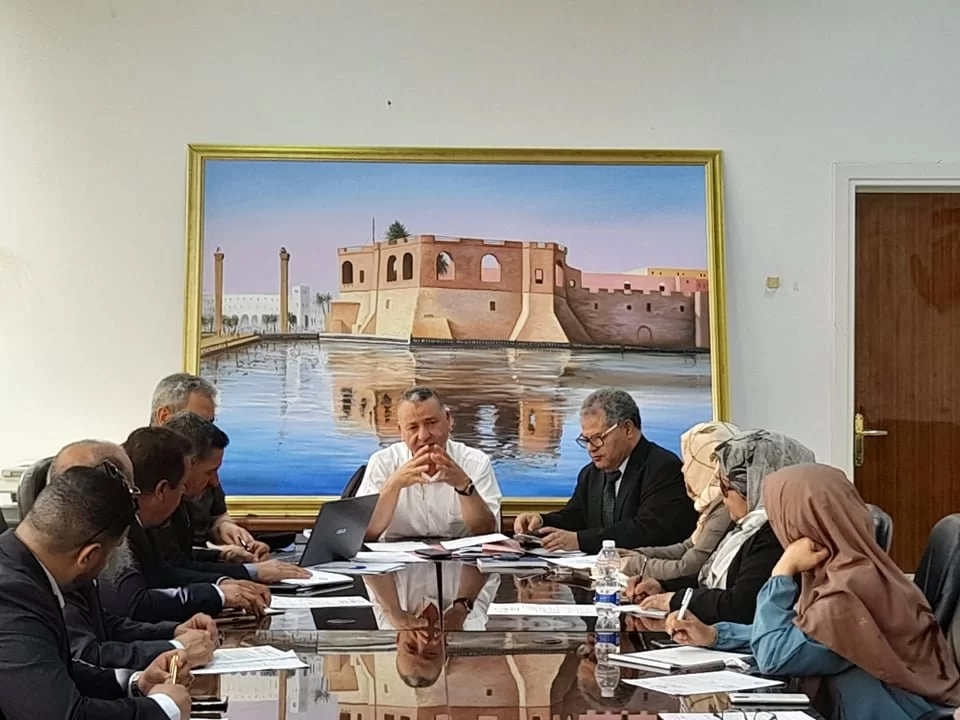
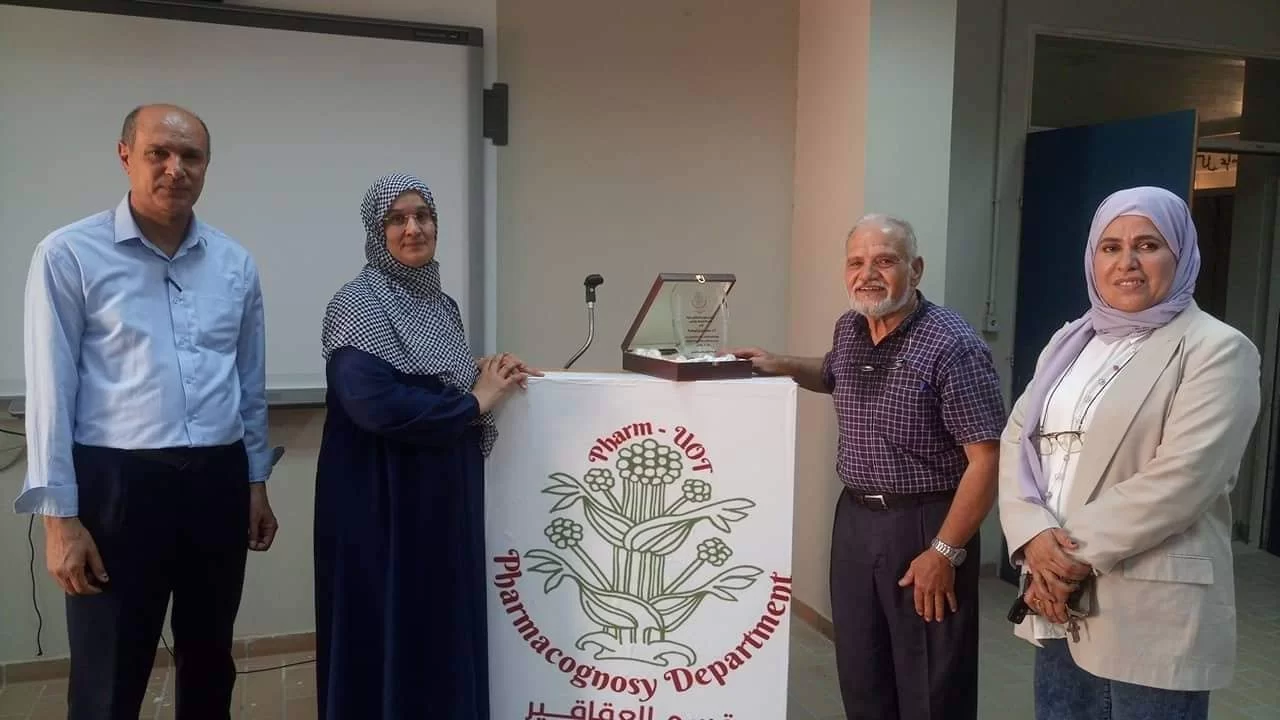
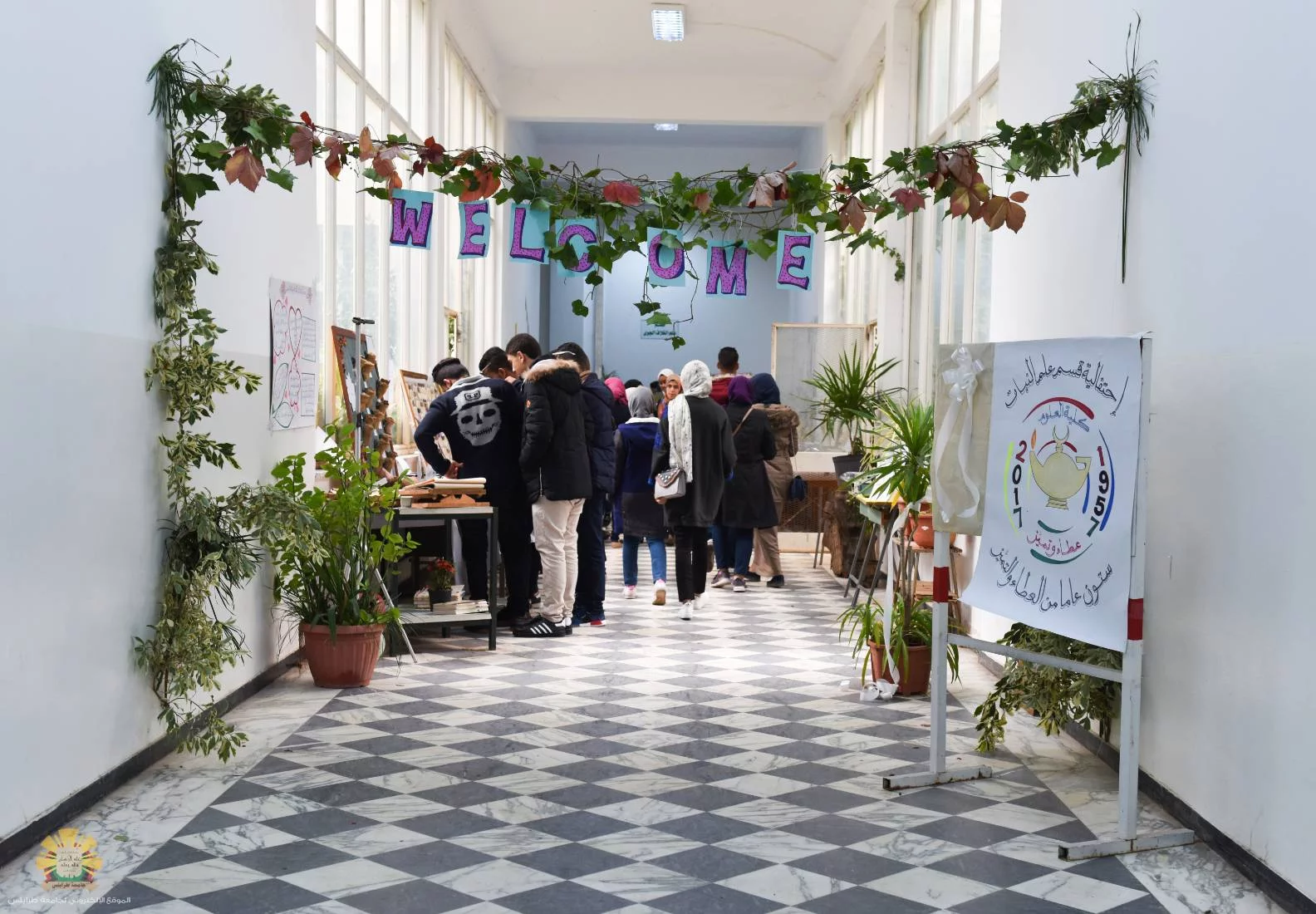
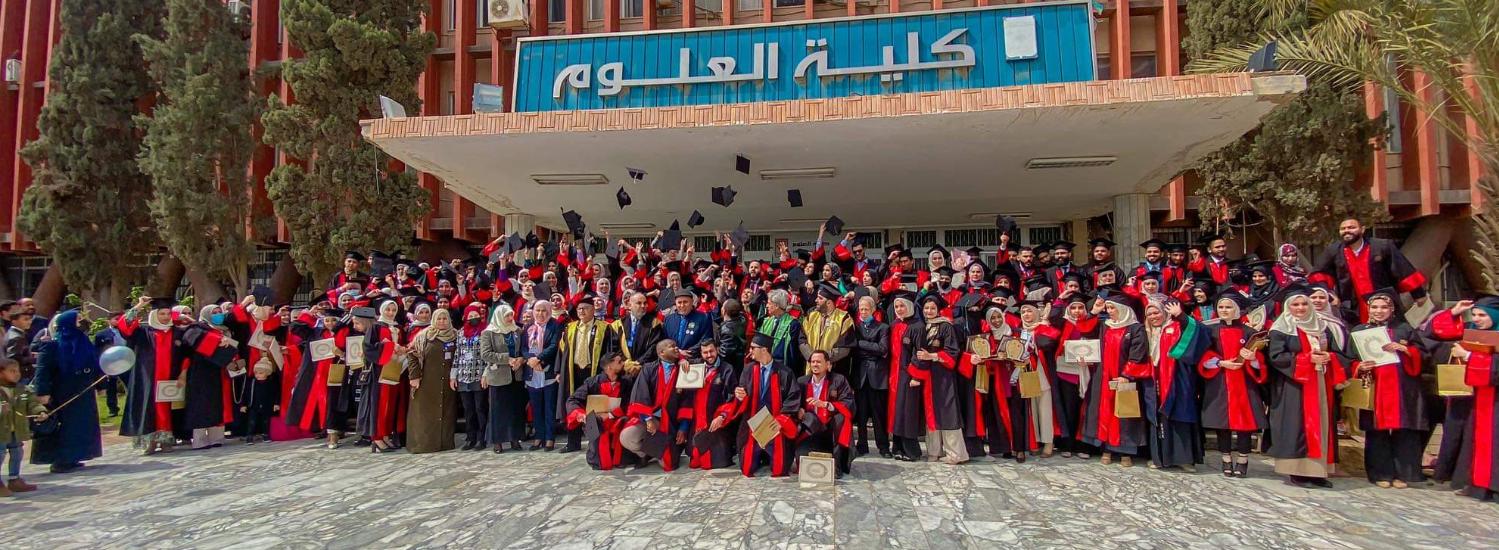
كلية العلوم في صور

الالبومات الخاصة بفعاليات كلية العلوم