
كلية التقنية الطبية

المزيد ...

حول كلية التقنية الطبية

حقائق حول كلية التقنية الطبية

نفتخر بما نقدمه للمجتمع والعالم

13

المنشورات العلمية

93

هيئة التدريس

38

الطلبة

37

الخريجون

البرامج الدراسية

تخصص

...

التفاصيل
تخصص علوم المختبرات الطبية

...

التفاصيل

من يعمل بـكلية التقنية الطبية

يوجد بـكلية التقنية الطبية أكثر من 93 عضو هيئة تدريس
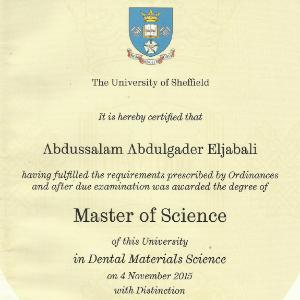
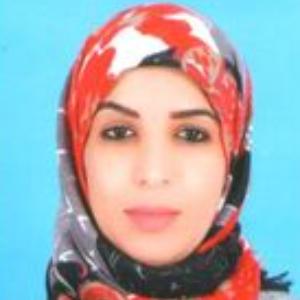
staff photo

أ. عبدالسلام عبدالقادر خليفة الجبالى

عبدالسلام الجبالى هو احد اعضاء هيئة التدريس بقسم تقنية الاسنان بكلية التقنية الطبية. يعمل السيد عبدالسلام الجبالى بجامعة طرابلس كـمحاضر مساعد منذ 2016-2-27 , ومحاضر منذ 26-09-2020 وله العديد من المنشورات العلمية في مجال تخصصه

منشورات مختارة

بعض المنشورات التي تم نشرها في كلية التقنية الطبية

LIBYAN MEDICAL EDUCATION: CHALLENGES TOWARD WFME CRITERIA

More Abstract This work shares Libyan experiences with medical education accreditation, as well as the challenges that the system faced in meeting the criteria of the World Federation of Medical Education (WFME). WFME, which was founded in 1972, is an international organization concerned with the education and training of medical doctors. WFME was initiated on the initiative of the WHO and the World Medical Association (WMA) with the goal of reviewing bodies that accredit basic medical education. The worldwide task force on accreditation in medical education was founded in 2004 by WHO and the WFME. In the same year, 26 members from 23 countries representing all six WHO–WFME regions assembled to discuss how WHO and WFME could assist in the establishment of long-term accrediting systems to ensure high-quality medical education. By 2024, all candidates must obtain a graduation certificate from a program certified by an entity that meets WFME or other international requirements for an accrediting system, according to the Educational Commission for Foreign Medical Graduates. Thereafter, accreditation for all health training programs by 2020 was indorsed as part of the WHO’s Worldwide Strategy on human resources for health: workforce 2030 and was recommended by the WMA. In response to these regulations, the NCQAA has started to prepare “the National Standards Manual for Basic Medical Education” and further connect with all Libyan medical faculties to comply with these criteria, while linking with the WFME. This is based on the WHO endorsement that all countries to apply accreditation mechanisms for health training institutions by 2020. Now it is a time to call for a rigorous auditing system in addition to assessment mechanisms in order to warrant ongoing quality control, and the quality control agency should be self-governing of external encouragement and have only an academic agenda. Finally, all medical schools that have decided to be recognized by the WFME, must have strengthened their ability to face challenges and start adapting these regulations and standards. The construction of networks, alliances, and associations between Libyan medical faculties are encouraged as an efficient approach for implementing and obtaining this accreditation.
Ahmed Elbadri M Atia(11-2021)
Publisher's website

Attitude of Dental Clinicians Towards Flexible Dentures: A Questionnaire Survey in Libya

Background: Management of partially edentulous patients with hard and soft tissue undercuts is complicated, and the use of flexible dentures for these cases offers dual advantages of aesthetics and flexibility. However, research shows a varying preference for flexible dentures among general dental practitioners, prosthodontists, and other dental specialties. Objectives: The aim of this study was to survey the attitude and awareness of a sample of Libyan dental clinicians towards advantages, disadvantages, indications, and contraindications of flexible dentures. Material and methods: A descriptive cross-sectional study was conducted among 250 dentists currently practicing in different cities of Libya. Only 218 dentists responded. Using Google form software, a self-administrable e-questionnaire consisting of thirty-one multiple choice questions with "yes," "no" or "not sure" answers encompassing major aspects of flexible dentures was conducted through an online survey. Results: Out of 250 Libyan dentists to whom the questionnaire was sent, only 218 dentists responded and our results revealed that the respondents were females more than males with a ratio (2:1) and more than half of them were of age group (35-60 years) work in governmental dental practice with more than ten years of experience and 34.9% of them prefer and often offer flexible dentures to their patients. The majority of respondents with a long-term success of the flexible denture were prosthodontists who had more than ten years of experience with a correct response rate of more than 50% of questions that reflected their attitude and knowledge. Conclusions: Despite the fact that flexible dentures are not taught in Libyan universities of dentistry, about more than one-third of respondents prefer and recommend this treatment to their patients, and the long-term success of these prostheses was dependent on clinicians' education and their clinical experience.
Yusra Muftah Saad Elfaidy, Warida Abdalla Elnaihoum, Aseidah Abdullah Elgotrany(4-2022)
Publisher's website

Tocotrienols Activate Nrf2 Nuclear Translocation and Increase the Antioxidant- Related Hepatoprotective Mechanism in Mice Liver

The most common preparation of tocotrienols is the tocotrienol-rich fraction (TRF). This study aimed to investigate whether TRF induced liver Nrf2 nuclear translocation and influenced the expression of Nrf2-regulated genes. Methods: In the Nrf2 induction study, mice were divided into control, 2000 mg/kg TRF and diethyl maleate treated groups. After acute treatment, mice were sacrificed at specific time points. Liver nuclear extracts were prepared and Nrf2 nuclear translocation was detected through Western blotting. To determine the effect of increasing doses of TRF on the extent of liver nuclear Nrf2 translocation and its implication on the expression levels of several Nrf2-regulated genes, mice were divided into 5 groups (control, 200, 500 and 1000 mg/kg TRF, and butylated hydroxyanisole-treated groups). After 14 days, mice were sacrificed and liver RNA extracted for qPCR assay. Results: 2000 mg/kg TRF administration initiated Nrf2 nuclear translocation within 30 min, reached maximum level around 1 h and dropped to half-maximal levels by 24 h. Incremental doses of TRF resulted in dose-dependent increases in liver Nrf2 nuclear levels, along with concomitant dose-dependent increases in the expressions of Nrf2-regulated genes. Conclusion: TRF activated the liver Nrf2 pathway resulting in increased expression of Nrf2-regulated cytoprotective genes.
Ahmed Elbadri M Atia(9-2020)
Publisher's website