

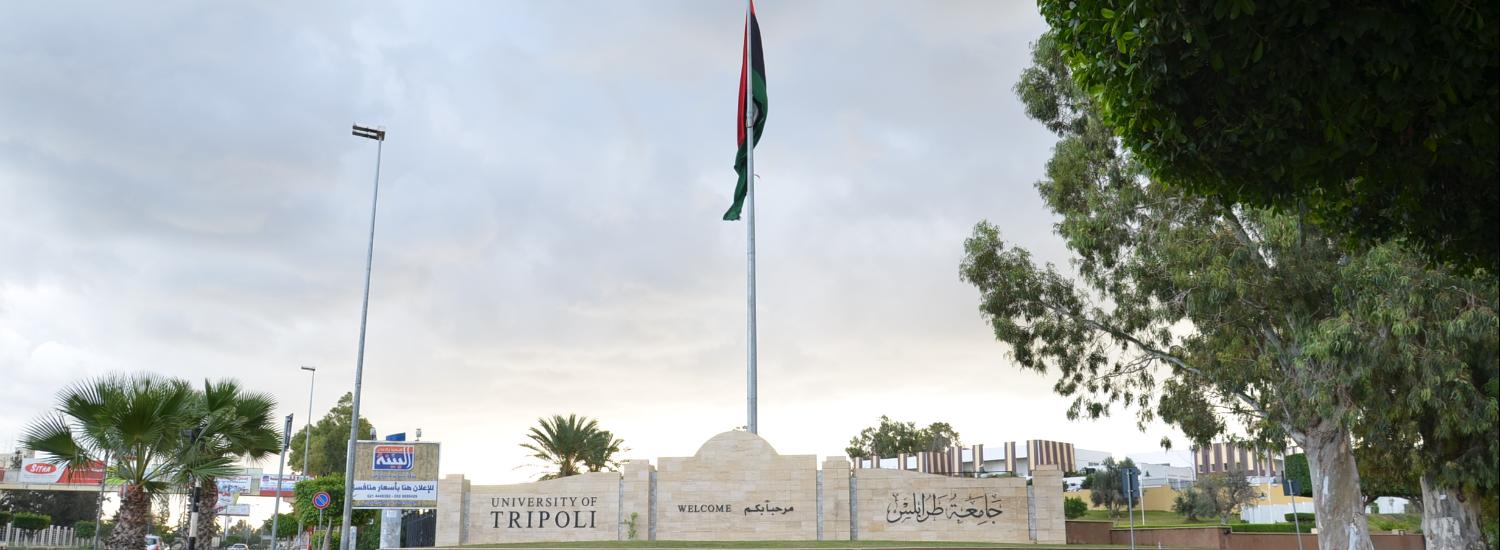
كلية التقنية الطبية

المزيد ...

حول كلية التقنية الطبية

حقائق حول كلية التقنية الطبية

نفتخر بما نقدمه للمجتمع والعالم

13

المنشورات العلمية

93

هيئة التدريس

38

الطلبة

37

الخريجون

البرامج الدراسية

تخصص

...

التفاصيل
تخصص علوم المختبرات الطبية

...

التفاصيل

من يعمل بـكلية التقنية الطبية

يوجد بـكلية التقنية الطبية أكثر من 93 عضو هيئة تدريس

staff photo

أ. منير عبدالقادر محمد كريفة

منير كريفة هو احد اعضاء هيئة التدريس بقسم العلاج الطبيعي بكلية التقنية الطبية. يعمل السيد منير كريفة بجامعة طرابلس كامحاضر منذ2021 وله العديد من المنشورات العلمية في مجال تخصصه

منشورات مختارة

بعض المنشورات التي تم نشرها في كلية التقنية الطبية

Serological study on the prevalence of malaria in samples from foreign workers in Tripoli, Libya

This study was primarily conducted to investigate the prevalence of imported malaria in a sample of foreign workers (n-1038) in Tripoli during the period from May 2006 to June 2007. A comprehensive review of malaria epidemiology in Libya in the last two decades was also given. All samples were tested serologically using Malaria Rapid Diagnostic test and then examined using blood film technique. Results showed that only 10 samples (1%) were tested positive for both malaria rapid diagnostic test and blood film. Nine of those infected were identified as Plasmodium falciparum and one as Plasmodium vivax. This study confirms that the prevalence of malaria in legal foreign workers is low and the risk of re-introducing or transmitting malaria in the northern areas of the country is remote. It also gives no good reason for including malaria test among those requested for issuing health certificates to foreign workers. The use of malaria Rapid Diagnostic test for malaria detection in this study was proved to be practical and reliable. Although, the situation of imported malaria in Libya imposes no immediate threat to re-emerging of malaria in the country however, continuous surveillance and monitoring particularly to the southern regions and populations have to be taken in a great consideration. An updated new map of malaria vectors distribution in Libya is urgently needed to be able to outline areas of high risk of malaria transmission.
Fadwa Jamaledden Mustafa Kamel Mahanay, Badereddin Bashir K. Annajar(5-2009)
Publisher's website

Information provided to customers about over-the-counter medications dispensed in community pharmacies in Tripoli, Libya: a cross-sectional study

More Please check this summary of your article Test We're testing a new feature which would provide a 1-sentence summary of an article to help others quickly decide if it is relevant for them. We need your help to find out how accurate this automatically generated summary is. This summary is for testing purposes – only you can see it. Summary The adequacy of information given to consumers on over-the-counter medications dispensed in community pharmacies in Tripoli, Libya, and compared the performance Thank you for your help! Your feedback will help improve this feature. Very good How would you summarize your article in 1 sentence? Help us improve the quality of this feature by writing your own summary. Others will not see your summary. Enter your 1-sentence summary (max 300 characters) Do you have any other feedback about this feature? Enter your feedback Submit Abstract and figures Background: Adherence to pharmacy practice guidelines for dispensing medications in pharmacy settings is important to ensure the safe use of medications. Aims: This study assessed the pattern and adequacy of information given to consumers on over-the-counter medications dispensed in community pharmacies in Tripoli, Libya, and compared the performance of pharmacists and non-pharmacists. Methods: This was a cross-sectional survey of private community pharmacies conducted in 2018 . Trained simulated patients were used to collect data on over-the-counter medications dispensed for hypothetical common cold symptoms and the information given by the pharmacy staff on the medication. This information included: name and the strength of the medication, indication for use, duration of use, dosage, how often to take the medicine, timing (before/after/with food), storage, expiry date, and side-effects of the medicine. Time taken to deliver the information was recorded. The adequacy of information provided by the pharmacists and non-pharmacists was compared. Results: A total of 169 pharmacists were surveyed. There were no significant differences between pharmacists and non-pharmacists in information given on the dispensed medications, except for information on taking the medication with food or not (84.5% of pharmacists gave this information versus 57.1% of non-pharmacists; P = 0.001) and on potential side-effects (39.4% of pharmacists versus 20.3% of non-pharmacists; P = 0.014). Significantly more pharmacists (85.9%) than non-pharmacists (61.2%) provided the medication-related information in less than 1 minute (P = 0.001). Conclusion: The inadequate information on medications provided by pharmacists is a concern for patient safety. Health regulatory organizations need to promote safe medication practices.
Ahmed Elbadri M Atia(7-2020)
Publisher's website

Attitude of Dental Clinicians Towards Flexible Dentures: A Questionnaire Survey in Libya

Background: Management of partially edentulous patients with hard and soft tissue undercuts is complicated, and the use of flexible dentures for these cases offers dual advantages of aesthetics and flexibility. However, research shows a varying preference for flexible dentures among general dental practitioners, prosthodontists, and other dental specialties. Objectives: The aim of this study was to survey the attitude and awareness of a sample of Libyan dental clinicians towards advantages, disadvantages, indications, and contraindications of flexible dentures. Material and methods: A descriptive cross-sectional study was conducted among 250 dentists currently practicing in different cities of Libya. Only 218 dentists responded. Using Google form software, a self-administrable e-questionnaire consisting of thirty-one multiple choice questions with "yes," "no" or "not sure" answers encompassing major aspects of flexible dentures was conducted through an online survey. Results: Out of 250 Libyan dentists to whom the questionnaire was sent, only 218 dentists responded and our results revealed that the respondents were females more than males with a ratio (2:1) and more than half of them were of age group (35-60 years) work in governmental dental practice with more than ten years of experience and 34.9% of them prefer and often offer flexible dentures to their patients. The majority of respondents with a long-term success of the flexible denture were prosthodontists who had more than ten years of experience with a correct response rate of more than 50% of questions that reflected their attitude and knowledge. Conclusions: Despite the fact that flexible dentures are not taught in Libyan universities of dentistry, about more than one-third of respondents prefer and recommend this treatment to their patients, and the long-term success of these prostheses was dependent on clinicians' education and their clinical experience.
Yusra Muftah Saad Elfaidy, Warida Abdalla Elnaihoum, Aseidah Abdullah Elgotrany(4-2022)
Publisher's website