
كلية التقنية الطبية

المزيد ...

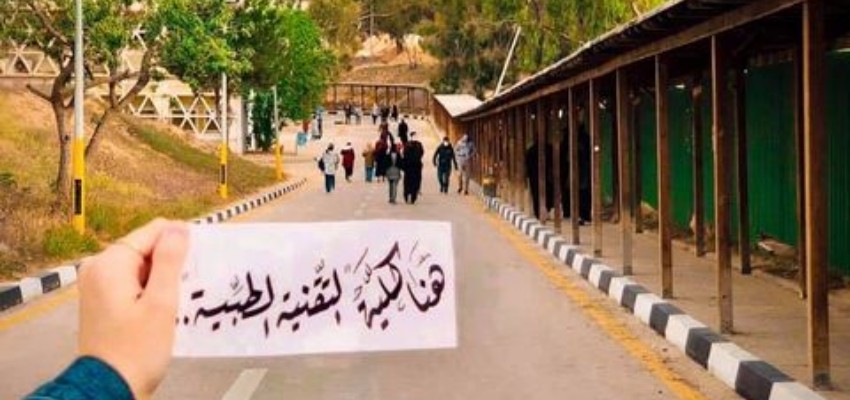
حول كلية التقنية الطبية

حقائق حول كلية التقنية الطبية

نفتخر بما نقدمه للمجتمع والعالم

13

المنشورات العلمية

93

هيئة التدريس

38

الطلبة

37

الخريجون

البرامج الدراسية

تخصص

...

التفاصيل
تخصص علوم المختبرات الطبية

...

التفاصيل

من يعمل بـكلية التقنية الطبية

يوجد بـكلية التقنية الطبية أكثر من 93 عضو هيئة تدريس
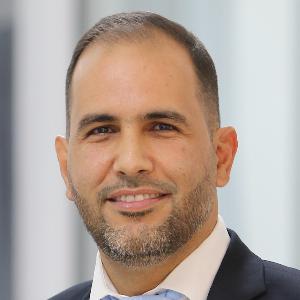
staff photo

أ. اسامة امحمد محمد حويتة

منشورات مختارة

بعض المنشورات التي تم نشرها في كلية التقنية الطبية

Tocotrienols Activate Nrf2 Nuclear Translocation and Increase the Antioxidant- Related Hepatoprotective Mechanism in Mice Liver

The most common preparation of tocotrienols is the tocotrienol-rich fraction (TRF). This study aimed to investigate whether TRF induced liver Nrf2 nuclear translocation and influenced the expression of Nrf2-regulated genes. Methods: In the Nrf2 induction study, mice were divided into control, 2000 mg/kg TRF and diethyl maleate treated groups. After acute treatment, mice were sacrificed at specific time points. Liver nuclear extracts were prepared and Nrf2 nuclear translocation was detected through Western blotting. To determine the effect of increasing doses of TRF on the extent of liver nuclear Nrf2 translocation and its implication on the expression levels of several Nrf2-regulated genes, mice were divided into 5 groups (control, 200, 500 and 1000 mg/kg TRF, and butylated hydroxyanisole-treated groups). After 14 days, mice were sacrificed and liver RNA extracted for qPCR assay. Results: 2000 mg/kg TRF administration initiated Nrf2 nuclear translocation within 30 min, reached maximum level around 1 h and dropped to half-maximal levels by 24 h. Incremental doses of TRF resulted in dose-dependent increases in liver Nrf2 nuclear levels, along with concomitant dose-dependent increases in the expressions of Nrf2-regulated genes. Conclusion: TRF activated the liver Nrf2 pathway resulting in increased expression of Nrf2-regulated cytoprotective genes.
Ahmed Elbadri M Atia(9-2020)
Publisher's website

Attitude of Dental Clinicians Towards Flexible Dentures: A Questionnaire Survey in Libya

Background: Management of partially edentulous patients with hard and soft tissue undercuts is complicated, and the use of flexible dentures for these cases offers dual advantages of aesthetics and flexibility. However, research shows a varying preference for flexible dentures among general dental practitioners, prosthodontists, and other dental specialties. Objectives: The aim of this study was to survey the attitude and awareness of a sample of Libyan dental clinicians towards advantages, disadvantages, indications, and contraindications of flexible dentures. Material and methods: A descriptive cross-sectional study was conducted among 250 dentists currently practicing in different cities of Libya. Only 218 dentists responded. Using Google form software, a self-administrable e-questionnaire consisting of thirty-one multiple choice questions with "yes," "no" or "not sure" answers encompassing major aspects of flexible dentures was conducted through an online survey. Results: Out of 250 Libyan dentists to whom the questionnaire was sent, only 218 dentists responded and our results revealed that the respondents were females more than males with a ratio (2:1) and more than half of them were of age group (35-60 years) work in governmental dental practice with more than ten years of experience and 34.9% of them prefer and often offer flexible dentures to their patients. The majority of respondents with a long-term success of the flexible denture were prosthodontists who had more than ten years of experience with a correct response rate of more than 50% of questions that reflected their attitude and knowledge. Conclusions: Despite the fact that flexible dentures are not taught in Libyan universities of dentistry, about more than one-third of respondents prefer and recommend this treatment to their patients, and the long-term success of these prostheses was dependent on clinicians' education and their clinical experience.
Yusra Muftah Saad Elfaidy, Warida Abdalla Elnaihoum, Aseidah Abdullah Elgotrany(4-2022)
Publisher's website

Direct and indirect Techniques for provisional Restorations Fabrication for (Implant and non-implant Supported) Fixed Prosthodontics

Abstract Introduction: Provisional restoration is an important part of fixed prosthodontics. It must provide pulp protection, positional stability, occlusion maintenance , and space preservation. There are two methods for provisional restoration fabrication; direct and indirect techniques. Aim: the study aims to identify the most preferred technique of fabricating provisional fixed restorations according to different parameters and situations and to highlight the advantages and disadvantages of each technique, by specialist dentists practicing in different dental clinics in Tripoli. Methodology: In this study, 120 closed ended questionnaires were distributed to specialist dentists in dental fixed restoration among different private dental clinics in Tripoli/Libya to find out which technique they prefer to apply in their clinics. Results: This study has revealed that dentists prefer the direct technique for the anterior area and single unit and up to 3-4 units fixed partial denture. While indirect technique was more commonly used by dentists in cases of multi-units and posterior teeth. In addition, it has a higher success rate and does not cause pulpal and gingival irritation.
NARJES ELGHEZAWI HANAN IRHOMA , ABDUSSALAM ELJABALI (7-2021)
Publisher's website