قسم الشبكات

المزيد ...

حول قسم الشبكات

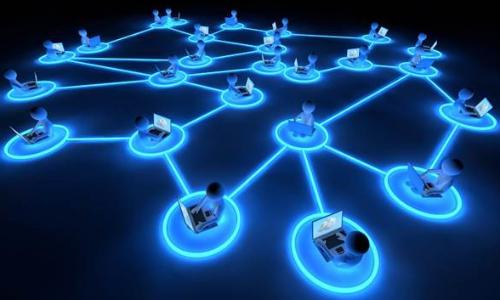
يقوم قسم شبكات الحاسوب بتدريس الطلبة كيفية تشغيل وربط نظم المعلومات المحلية والدولية، خلال فترة الدراسة بقسم شبكات الحاسوب يقوم الطلاب باستخدام احدث البرامج والمعامل المتخصصة للتعرف على كيفية تصميم و تركيب و إدارة و صيانة شبكات الحاسوب.يدرس قسم شبكات الحاسوب مجموعة من المواد الدراسية المتطورة التي تم اختيار مفرداتها بعناية لتغطي مجموعة من المعارف المهمة في تقنية المعلومات والتي  تمكن خريج قسم شبكات الحاسوب من التنافس في سوق العمل.

حقائق حول قسم الشبكات

نفتخر بما نقدمه للمجتمع والعالم

29

المنشورات العلمية

10

هيئة التدريس

172

الطلبة

48

الخريجون

البرامج الدراسية

بكالوريوس في تقنية المعلومات
تخصص الشبكات

قسم شبكات الحاسوب متخصص في دراسة شبكات الحاسوب إبتداءا من معرفة أنواع الشبكات و أهميتها و كيفية تصميمها و الألية المتبعة في التصميم مرورا بمعرفة البروتوكولات التي تعمل في هذه الشبكات و طرق برمجتها  و أخيرا قياس الجودة للشبكات و طريقة تصميم و إدراة هذه الشبكات و كيفية حمايتها...

التفاصيل

من يعمل بـقسم الشبكات

يوجد بـقسم الشبكات أكثر من 10 عضو هيئة تدريس

staff photo

د. ادريس عبدالهادي علي محمد غميض

ادريس غميض هو احد اعضاء هيئة التدريس بقسم الشبكات بكلية تقنية المعلومات. يعمل السيد ادريس غميض بجامعة طرابلس كـاستاذ مساعد منذ 2013 وله العديد من المنشورات العلمية في مجال تخصصه

منشورات مختارة

بعض المنشورات التي تم نشرها في قسم الشبكات

A Simulation based analysis study for DDoS attacks on Computer Networks

A denial of service attacks are usually employed to interrupt the system's activity by getting a large number of fake requests, which leads to slowing down and stopping information system or network operations. This paper outlines the basic principles of DDoS attacks, explains how DDoS attack works. The paper presents an experimental using OPNET simulation tool in which traffic from three different applications VoIP, FTP, and HTTP is used to make the practical model with a firewall shield to model and simulate DDoS over Internet. However, three scenarios have been developed to illustrate different aspects of the DDoS over networks. The results clearly demonstrate how firewalls can be configured to mitigate DDoS attacks
Azeddien M. Sllame, Reema A. Saed, Mariam Abojella Msaad(5-2021)
Publisher's website

Vulnerabilities of Biometric Authentication “Threats and Countermeasures”

Biometric systems have a powerful potential to provide security for a variety of applications, systems are nowadays being introduced in many applications and have already been deployed to protect personal computers, Banking machines, credit cards, electronic transactions, airports, high security institutions like nuclear facilities, Military Bases and other applications like borders control, access control, sensitive data protection and on-line tracking systems. While biometrics may improve security in different environments and serve many purposes, biometric systems, like any other security system, have vulnerabilities and are susceptible to threats. they are susceptible to external vulnerabilities of biometric systems so that their weaknesses can be found and useful countermeasures against foreseeable attacks can be developed The increasingly high profile use of biometrics for security purposes has provoked new interest in researching and exploring methods of attacking biometric systems.
Abdulmonam Omar Ahmed Alaswad, Ahlal H. Montaser, Fawzia Elhashmi Mohamad(0-2014)
Publisher's website

The Effect of Mobility on the Performance of VOIP Application in WiMax Networks

in wireless networks, mobility is an important issue because Internet connectivity can only be effective if it is available during the movement of a node. To enhance mobility, the IEEE802.16e standard has set procedures to design wireless access systems to operate on the move without any disruption of services. The major difference between mobile WiMAX and fixed WiMAX is mobility support. However, speed and trajectory of nodes are unpredictable and can vary even in identical circumstances. In this paper mobile node trajectory is studied under different codecs schemes in order to evaluate the effect of node movement, towards or away from the base-station, on end to end delay, jitter, mean opinion score and throughput of a VoIP application. The results showed that trajectory inward improves network performance since mobile node gets closer to the base-station and hence signal is improved and less power is required. arabic 12 English 67
I. Almerhag, N. Aboalgasem(5-2017)
Publisher's website